


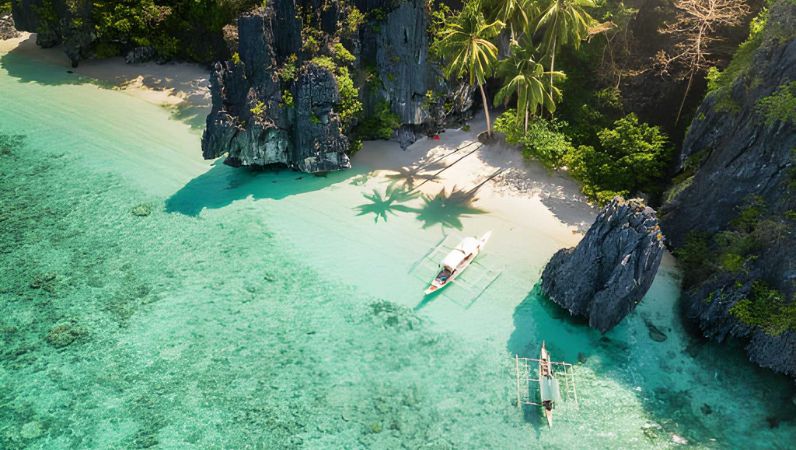
In our hyperconnected world, the quest for genuine relaxation has become more crucial than ever. Beach destinations offer something that no spa day or weekend staycation can replicate: the therapeutic combination of natural elements that scientists call “blue space therapy.” Research published in the Journal of Environmental Psychology shows that spending time near water can reduce cortisol levels by up to 27% and significantly improve overall mental well-being.
But not all beaches are created equal when it comes to relaxation. A crowded spring break destination differs vastly from a secluded cove where the only sound is waves meeting shore. This guide explores the world’s best beach destinations for relaxation, organized by what matters most to you—whether that’s ultimate privacy, wellness amenities, natural beauty, or cultural immersion.
Understanding What Makes a Beach Truly Relaxing
Before diving into specific destinations, it’s worth understanding what transforms a beautiful beach into a relaxing sanctuary. According to coastal psychology research, several factors contribute to the calming effect of beach environments:
- Natural soundscapes: The rhythmic sound of waves creates what researchers call “pink noise,” which can improve sleep quality and reduce stress hormones
- Negative ions: Ocean air contains higher concentrations of negative ions, which studies suggest may boost serotonin levels and improve mood
- Visual horizons: The expansive ocean view triggers what psychologists call “soft fascination,” allowing the mind to rest while remaining gently engaged
- Temperature regulation: Coastal climates with natural breezes create comfortable environments without the need for artificial climate control
- Barefoot connection: Walking on sand provides natural reflexology benefits and grounds the body’s electrical charge
Best Beach Destinations by Relaxation Style
For Ultimate Seclusion Seekers
Some travelers define relaxation as complete escape from crowds and commercial development. These destinations offer pristine isolation without sacrificing comfort.
Tulum’s Secret Beaches, Mexico
While Tulum’s main beaches have gained popularity, the coastal stretch between Tulum and Sian Ka’an Biosphere Reserve remains wonderfully undeveloped. Small eco-lodges dot the coastline, offering cabanas that open directly onto nearly private beaches. The area maintains strict development restrictions, ensuring the jungle backdrop remains intact. Visit between May and July for optimal weather with fewer visitors, when hotel rates drop by approximately 40%.
Iki Island, Japan
This lesser-known island in the Tsushima Strait offers an authentic Japanese beach experience without the crowds of Okinawa. Crystal-clear waters lap against white sand beaches framed by pine forests. The island’s Yunomoto Hot Springs overlook the ocean, allowing visitors to combine thalassotherapy with traditional onsen culture. Japanese tourists visit primarily during Golden Week and Obon, leaving the rest of the year remarkably quiet.
Ilha Grande, Brazil
Cars are prohibited on this Atlantic island, creating an atmosphere of deliberate slowness. Lopes Mendes Beach consistently ranks among the world’s most beautiful, yet its two-hour hiking trail or boat access keeps visitor numbers manageable. The island’s protected status as part of a state park ensures it will remain undeveloped, with accommodation limited to eco-pousadas and camping areas.
For Wellness-Focused Travelers
These destinations integrate holistic health practices with coastal beauty, offering structured wellness programs alongside natural relaxation.
Koh Samui, Thailand
Beyond its famous Full Moon Party reputation lies a serious wellness scene. The island hosts internationally recognized health resorts offering integrated programs combining detox, yoga, meditation, and traditional Thai massage. Kamalaya Wellness Sanctuary and similar retreats provide everything from weekend resets to month-long transformational programs. The island’s year-round warm climate makes it ideal for outdoor yoga and beachfront meditation.
Nosara, Costa Rica
This small Pacific coast town has evolved into one of the world’s premier yoga destinations while maintaining its laid-back character. Multiple yoga studios offer daily classes, many held on beach platforms at sunrise. The area’s Blue Zone designation—where residents live unusually long, healthy lives—speaks to its health-promoting environment. Strong rip currents make swimming challenging, but the powerful waves create a dramatic, contemplative atmosphere.
Byron Bay, Australia
Australia’s easternmost point combines stunning beaches with a thriving wellness community. The town offers everything from traditional surf culture to alternative healing practices. Wategos Beach provides calm waters protected from prevailing winds, while The Pass offers consistent waves for therapeutic surfing. The Cape Byron Lighthouse walk presents breathtaking coastal views and whale watching opportunities between June and October.
For Luxury Indulgence Without Compromise
Sometimes relaxation means having every need anticipated and met. These destinations excel at five-star service in breathtaking settings.
Maldives – North Male Atoll
The Maldives pioneered the overwater villa concept and continues to perfect it. Recent developments focus on sustainability, with resorts like Soneva Fushi operating entirely on solar power. The Maldives’ unique geography—islands separated by deep channels—ensures each resort functions as a private sanctuary. Water temperatures hover around 28°C (82°F) year-round, perfect for extended snorkeling sessions among vibrant coral reefs.
Bora Bora, French Polynesia
The iconic overwater bungalows here come with glass floor panels for viewing marine life from bed and direct lagoon access via private staircases. Mount Otemanu’s dramatic peak creates a stunning backdrop for sunset viewing. The enclosed lagoon maintains calm, warm water ideal for non-swimmers, while the outer reef attracts advanced divers. French colonial influence means world-class cuisine accompanies the tropical setting.
Seychelles – La Digue Island
Unlike the main island of Mahé, La Digue moves at bicycle pace—literally. Cars are rare, and most transportation happens via bike or ox-cart. Anse Source d’Argent features dramatic granite boulders creating natural sculpture gardens on powdery pink sand. The island’s small size means beaches remain intimate and rarely crowded. October and May offer the best weather windows, avoiding both monsoon seasons.
For Cultural Immersion with Coastal Beauty
These destinations allow relaxation through cultural discovery, where beach time alternates with authentic local experiences.
Zanzibar, Tanzania
Stone Town’s winding alleys and Arabic-influenced architecture provide cultural richness, while the island’s eastern coast offers pristine beaches. Nungwi and Kendwa beaches in the north feature calm turquoise waters with minimal tidal variation. The island’s spice plantation heritage means aromatic tours can precede beach relaxation. Visit between June and October for optimal weather and calmer seas.
Crete, Greece
Greece’s largest island combines 4,000 years of history with stunning beaches. The south coast, particularly around Matala and Agia Galini, offers uncrowded beaches with tavernas serving fresh catch of the day. Ancient Minoan ruins, Byzantine churches, and Venetian fortresses provide cultural exploration between beach sessions. The shoulder seasons of May-June and September-October offer warm swimming with fewer tourists and lower prices.
Kerala Backwaters, India
While not a traditional beach destination, Kerala’s unique combination of Arabian Sea coastline and inland waterways creates a distinctive relaxation experience. Houseboat cruises through palm-fringed canals alternate with beach time at Marari or Varkala. Ayurvedic treatments—Kerala’s specialty—complement beach relaxation with traditional wellness practices. The region’s cuisine emphasizes fresh seafood and coconut-based curries.
Seasonal Considerations for Beach Relaxation
Timing significantly impacts your relaxation experience. This table provides optimal visiting windows for major beach destinations:
| Destination | Best Months | Why Visit Then | Avoid |
|---|---|---|---|
| Maldives | November-April | Dry season, calm seas | May-October (monsoon) |
| Caribbean | December-April | Low humidity, no hurricanes | August-October (hurricane season) |
| Southeast Asia | November-March | Cooler, drier weather | May-September (monsoon varies by location) |
| Mediterranean | May-June, September | Warm water, fewer crowds | July-August (peak season) |
| Australia | December-February | Summer warmth | June-August (winter, cold water) |
| Hawaii | April-May, September-October | Good weather, lower prices | December-March (peak season) |
Budget Considerations: Relaxation at Every Price Point
Premium Destinations ($500+ per night)
The Maldives, Bora Bora, and Seychelles command premium prices due to remote locations and limited accommodation. However, these costs often include all-inclusive packages covering meals, activities, and transfers. Consider visiting during shoulder season (April-May or October-November) when prices drop by 30-50% while weather remains favorable.
Mid-Range Options ($150-300 per night)
Destinations like Bali, Thailand, and Costa Rica offer excellent value with developed tourism infrastructure. Boutique hotels and eco-lodges provide personalized service without luxury resort pricing. These regions also offer diverse accommodation options, from beachfront bungalows to hillside retreats with ocean views.
Budget-Friendly Beaches (under $100 per night)
Mexico’s Pacific coast, Portugal’s Algarve, and Croatia’s Dalmatian islands provide stunning beaches with affordable accommodation. Local guesthouses and vacation rentals offer authentic experiences at fraction of resort prices. These destinations work particularly well for extended stays where weekly rentals provide even better value.
Practical Planning Tips for Maximum Relaxation
Choosing the Right Beach Type
Different beach characteristics suit different relaxation styles:
- Soft sand beaches: Best for sunbathing, beach games, and barefoot walking (Whitehaven Beach, Siesta Key)
- Pebble beaches: Clearer water for snorkeling, natural massage underfoot (Nice, France; Budva, Montenegro)
- Rocky coastlines: Dramatic scenery, tide pools, and privacy in coves (Amalfi Coast, Big Sur)
- Lagoons: Calm, shallow water ideal for non-swimmers and families (Aitutaki, Bora Bora)
Essential Packing for Beach Relaxation
- Reef-safe sunscreen: Protect both your skin and marine ecosystems (look for zinc oxide or titanium dioxide)
- Quick-dry towel: Sand-resistant microfiber towels dry rapidly and pack small
- Waterproof phone case: Capture moments without worry, especially valuable for snorkeling
- Portable speaker: Enhance relaxation with your own music or guided meditations
- Beach reading device: E-readers reduce luggage weight while providing unlimited entertainment
- Water shoes: Essential for rocky entries, coral protection, and hot sand navigation
- Lightweight cover-ups: Protect from sun while remaining comfortable in heat
Maximizing Your Relaxation Experience
Research shows that certain practices significantly enhance the relaxation benefits of beach vacations:
Establish a rhythm: Rather than filling every day with activities, create a sustainable pattern. Morning beach walks, afternoon reading or napping, evening sunset viewing provides structure without stress.
Practice digital detox: Consider implementing “phone-free” beach hours. Studies indicate that even brief periods without devices significantly reduce stress and increase present-moment awareness.
Engage in water therapy: Swimming, floating, or simply standing in the surf activates the parasympathetic nervous system, triggering the body’s relaxation response. Aim for at least 20 minutes of water contact daily.
Time your beach visits: Early morning (6-9am) and late afternoon (4-6pm) offer cooler temperatures, softer light, and typically fewer crowds. Midday heat drives most visitors indoors, paradoxically creating opportunities for solitude.
Hidden Gems: Underrated Beach Destinations for Relaxation
While famous beaches have earned their reputation, these lesser-known destinations offer exceptional relaxation with fewer crowds:
Mozambique’s Bazaruto Archipelago
Five islands off Mozambique’s coast remain blissfully undeveloped despite extraordinary beauty. Turquoise waters, pristine coral reefs, and near-empty beaches define the experience. Limited accommodation—mostly small lodges—keeps visitor numbers low. The region’s remoteness means careful planning is essential, but rewards include some of Africa’s best diving and complete isolation.
Colombia’s Tayrona National Park
Where the Sierra Nevada mountains meet the Caribbean, Tayrona offers dramatic jungle-backed beaches. Cabo San Juan del Guía provides the park’s most accessible beach, though reaching it requires a two-hour hike—natural crowd control. No permanent structures exist on the beaches themselves, maintaining pristine conditions. The park’s indigenous Kogi people manage sacred sites, adding cultural depth to natural beauty.
Albania’s Ionian Coast
Europe’s last unspoiled coastline offers Greek-like beauty at fraction of the cost. The area between Himara and Saranda features secluded coves accessible by boat or short hikes. Infrastructure remains basic—a feature rather than bug for those seeking authentic experiences. Crystal-clear water, affordable seafood, and genuine hospitality compensate for lack of luxury amenities.
Related: Best Destinations for First-Time Travelers
Sustainable Beach Tourism: Relaxation with Responsibility
The most relaxing beach experiences come from destinations where tourism supports rather than undermines local communities and environments.
Choosing Eco-Certified Accommodations
Look for properties with recognized certifications like Green Globe, EarthCheck, or Rainforest Alliance. These standards ensure:
- Proper wastewater treatment protecting marine ecosystems
- Renewable energy usage reducing carbon footprint
- Local employment and fair wages supporting communities
- Waste reduction and recycling programs
- Protection of sensitive habitats and wildlife
Responsible Beach Practices
- Avoid coral-damaging sunscreen: Oxybenzone and octinoxate cause coral bleaching; choose mineral-based alternatives
- Never touch marine life: Even seemingly harmless contact can damage protective layers
- Take only photographs: Shells and sand play important ecological roles; leave them in place
- Support local businesses: Choose locally-owned restaurants and shops over international chains
- Minimize single-use plastics: Bring reusable water bottles, bags, and containers
Health Benefits: Why Beach Relaxation Works
Beyond subjective feelings of relaxation, measurable health benefits accompany beach time:
Improved sleep quality: A study in the journal Sleep Health found that participants who spent three days at the beach showed 47% improvement in sleep quality compared to urban dwellers. Natural light exposure helps regulate circadian rhythms, while physical activity and fresh air promote deeper sleep.
Enhanced creativity: Research from the University of Kansas indicates that spending time in nature—including coastal environments—can boost creative problem-solving by up to 50%. The combination of relaxed attention and novel stimuli allows the brain to make new connections.
Reduced inflammation: Sea swimming may reduce inflammatory markers in the body. Cold water immersion triggers the release of anti-inflammatory hormones, while saltwater’s mineral content supports skin health.
Vitamin D production: Even 15-20 minutes of sun exposure on beach days provides significant vitamin D, essential for bone health, immune function, and mood regulation. However, balance sun exposure with adequate protection to prevent skin damage.
Addressing Common Beach Relaxation Concerns
For Non-Swimmers
Many assume beach relaxation requires swimming ability. Not true. Lagoon destinations like Aitutaki offer waist-deep water extending hundreds of meters from shore. Beach walking, tide pool exploration, and simply lounging provide full relaxation benefits without swimming.
For Heat-Sensitive Individuals
Not everyone tolerates tropical heat well. Consider:
- Mediterranean destinations with cooler coastal breezes
- Northern California or Oregon coast for dramatic scenery without extreme heat
- New Zealand’s beaches during Southern Hemisphere summer (December-February)
- Morning and evening beach times in tropical locations
For Solo Travelers
Beach destinations work wonderfully for solo relaxation. Many offer:
- Group activities like snorkeling tours for optional socialization
- Beach clubs or co-working spaces for digital nomads seeking community
- Yoga retreats providing structure and built-in social groups
- Small group accommodations like boutique hostels or eco-lodges
Creating Your Personal Beach Relaxation Plan
Different travelers need different approaches. Use this framework to identify your ideal beach destination:
Step 1: Define Your Relaxation Style
- Complete solitude vs. gentle activity
- Structured wellness programs vs. unscheduled time
- Cultural exploration vs. pure beach focus
- Luxury amenities vs. rustic simplicity
Step 2: Consider Practical Constraints
- Budget range and value expectations
- Available vacation time (weekend vs. extended stay)
- Travel distance and time zone preferences
- Weather and seasonal timing
Step 3: Research Specific Locations
- Read recent reviews from relaxation-focused travelers
- Check current local conditions and any travel restrictions
- Verify accommodation details match your needs
- Understand what’s included vs. additional costs
Step 4: Plan for True Disconnection
- Set up out-of-office notifications before departure
- Download entertainment and meditation apps for offline use
- Inform colleagues and family of limited availability
- Consider leaving work devices at home entirely
Final Thoughts: Making Beach Relaxation Last
The best beach vacations don’t end when you leave. Research in environmental psychology suggests that benefits extend weeks or even months beyond the trip itself. To maximize lasting effects:
Document mindfully: Rather than constant photography, take a few meaningful images that capture how you felt, not just what you saw. These become powerful tools for recalling peaceful states during stressful times.
Establish transition rituals: Don’t rush from beach vacation directly into work intensity. Build in a buffer day at home to unpack, process experiences, and gradually re-engage with responsibilities.
Integrate beach practices: Morning meditation, afternoon walking breaks, and digital sunset hours can all continue at home, maintaining some relaxation benefits.
Plan your next escape: Having a future beach trip on the calendar provides something to anticipate, which research shows contributes significantly to overall happiness and stress management.
The world’s best beach destinations for relaxation share common elements—natural beauty, peaceful atmosphere, and distance from daily pressures. Yet each offers something unique, whether that’s cultural richness, ecological diversity, or simple, perfect emptiness. Your ideal beach exists somewhere along this spectrum, waiting to provide the restoration and renewal that only the meeting of land and sea can offer.