



The entertainment landscape in 2025 looks radically different from even two years ago. We’re witnessing a fundamental shift in how content is created, distributed, and consumed—driven by breakthrough technologies, evolving audience expectations, and a reimagined relationship between creators and fans.
With over 5.56 billion internet users worldwide and technologies like artificial intelligence and virtual reality becoming mainstream, the boundaries between physical and digital entertainment are dissolving. Audiences no longer want to be passive viewers; they demand personalized, immersive experiences that put them at the center of the action.
This comprehensive guide explores the most significant entertainment trends reshaping 2025, backed by industry data, real-world examples, and expert insights. Whether you’re an industry professional, content creator, or simply curious about where entertainment is headed, understanding these trends is essential for staying ahead of the curve.
AI Revolutionizes How We Experience Entertainment
Artificial intelligence has moved from buzzword to backbone of the entertainment industry. In 2025, AI isn’t just supporting entertainment—it’s fundamentally transforming it.
Hyper-Personalization Becomes the New Standard
Gone are the days of one-size-fits-all content recommendations. Modern AI systems analyze your viewing history, search behavior, social media interactions, and even your mood to curate experiences tailored specifically to you.
Leading streaming platforms have perfected this approach:
- Netflix and Disney+ use sophisticated machine learning algorithms that continuously adapt to individual preferences and global trends
- Spotify’s Discover Weekly generates personalized playlists that feel almost psychic in their accuracy, analyzing listening habits to introduce users to new artists they’re likely to love
- Dynamic interfaces now adjust menus, categories, and featured content based on user-specific interests, creating a unique dashboard for every viewer
The impact goes beyond recommendations. AI enables mood-based content curation, real-time customization, and personalized trailers that highlight aspects of a show you’re most likely to enjoy. This level of personalization drives higher engagement rates and significantly improves customer retention.
AI-Generated Content Disrupts Traditional Production
The rise of AI-generated content represents one of the most controversial yet transformative trends in entertainment. AI tools are now assisting with scriptwriting, enhancing visual effects, and streamlining post-production workflows.
Key developments include:
- AI-driven scriptwriting tools that help writers develop plotlines and overcome creative blocks
- Deepfake technology used creatively for special effects and digital recreations of actors—with ethical guidelines evolving alongside the technology
- Automated editing tools that reduce post-production time from weeks to days
- Advanced localization offering accurate translation and dubbing to reach global audiences with minimal barriers
Rather than replacing creative professionals, AI is redefining roles and creating new synergies between creative teams and technology. Writers, directors, and producers who embrace these tools are finding they can produce higher-quality content more efficiently.
Immersive Technologies Transform How Stories Are Told
Passive viewing is becoming a thing of the past. Augmented reality, virtual reality, and spatial computing are creating experiences where audiences don’t just watch stories—they step inside them.
AR and VR Create Participatory Narratives
Virtual and augmented reality technologies have matured beyond novelty to become legitimate storytelling mediums. Unlike traditional entertainment where you’re an observer, AR and VR make you an active participant.
Standout examples include:
- Half-Life: Alyx demonstrates how VR gaming can deliver narrative depth with advanced physics and immersive gameplay that feels genuinely revolutionary
- Wolves in the Walls lets viewers interact directly with story elements in virtual reality, blurring the line between audience and character
- Virtual concerts featuring holographic artists allow fans worldwide to attend shows without geographical limitations, with some events drawing millions of concurrent viewers
The growth of affordable VR headsets combined with improved content creation tools is driving broader adoption. What was once exclusive to tech enthusiasts is now accessible to mainstream audiences, creating a viable market for immersive storytelling.
The Metaverse Expands Beyond Gaming
The metaverse—shared virtual spaces merging AR, VR, and the internet—is revolutionizing how we think about entertainment venues. Major companies are hosting music concerts, film premieres, and interactive gaming experiences in entirely digital worlds.
This trend manifests in several ways:
- Virtual theme parks offering experiences impossible in physical space
- Digital fashion shows where brands showcase collections to global audiences
- Virtual real estate used for advertising and product launches, with some digital properties selling for millions
- Metaverse-driven marketing strategies specifically targeting younger demographics who are native to digital environments
Gaming Evolves Into a Social and Lifestyle Phenomenon
Gaming in 2025 has transcended its roots as simple entertainment to become a dominant social platform, lifestyle choice, and even career path for millions worldwide.
Gaming Becomes Gen Z’s Primary Social Hub
For younger generations, gaming has replaced traditional hangout spots as the preferred way to socialize. The statistics are striking:
- Nearly 50% of young adults report making long-term friendships while gaming
- 40% of Gen Z and Millennials socialize more in video games than in person
- Multiplayer story games have seen 16% growth, with platforms like Discord amplifying the communal experience
This shift reflects a fundamental change in how we define social interaction. Gaming isn’t an alternativeto socializing—it is socializing. Gen Y treats video games the way older generations treated golf: as a venue for both connection and friendly competition.
Cloud Gaming Eliminates Hardware Barriers
Cloud gaming represents one of the fastest-growing segments of the entertainment industry, with search volume reaching 4.4 million and 15% year-over-year growth. The appeal is straightforward: play high-quality games on any device without expensive consoles or gaming PCs.
This trend benefits from three converging factors:
- Rising internet speeds globally make streaming high-fidelity games feasible
- Wider mobile adoption means more people have capable devices in their pockets
- Improved cloud computing technology reduces latency and enhances performance
For gaming companies, cloud gaming means access to billions of potential customers who previously couldn’t afford gaming hardware. Technologies like Air GPU (up 35%) and Moonlight PC (up 42%) are making this vision reality.
eSports Breaks Into Mainstream Media
eSports has exploded from niche hobby to mainstream phenomenon, with global audiences surpassing 300 million viewers. The numbers tell a compelling story:
- CS2 tournaments have seen 110% growth, with prize pools exceeding $1 million
- eSports Olympics searches have surged 270%, reflecting growing legitimacy
- Major media networks and sports brands are investing heavily, recognizing eSports’ ability to capture younger demographics
The rise of competitive gaming has also spawned an entire industry of training and analytics tools. Platforms like Refrag (up 91%) offer specialized coaching to help players improve their skills, indicating that competitive gaming is being taken as seriously as traditional sports.
As games become more challenging and players refine techniques, the required skill level keeps rising—even for casual players. This creates ongoing demand for coaching, analytics, and performance-enhancing gaming equipment from chairs to high-refresh-rate monitors.
Live Events Embrace Hybrid and Immersive Experiences
The live entertainment sector has undergone a renaissance, blending physical and digital elements to create experiences that reach wider audiences while delivering unprecedented engagement.
Immersive Activations Redefine Fan Experiences
Year-round immersive venues are changing how fans connect with their favorite content. Netflix House, debuting in Dallas and Philadelphia, exemplifies this trend with interactive displays, exclusive merchandise, and themed food and beverages that let fans step into their favorite series.
Other innovative activations include:
- Headphone Disco events where attendees enjoy multiple DJ sets simultaneously through LED wireless headphones, creating silent dance parties with personalized experiences
- The Big Bounce America—the world’s largest bounce house—combining obstacle courses, ball pits, and DJ-led dance parties into an immersive playground
- Candlelight Concerts (up 20%) offering visually stunning performances designed for social sharing, with musicians adding unique visual elements that encourage audience photography
These experiences aren’t just events—they’re Instagram-worthy moments designed to generate organic social media buzz while creating memorable, participatory entertainment.
Hybrid Events Expand Access and Reach
Hybrid events that seamlessly blend virtual and in-person experiences are revolutionizing accessibility in live entertainment. Industry leaders have perfected this model:
- Live Nation offers world-class broadcasts of concerts to global audiences with state-of-the-art production
- Fathom Events brings experiences like The Metropolitan Opera Live in HD and concert films from Taylor Swift and Beyoncé to theaters nationwide
- Metaverse platforms like Degy World allow virtual participants to join live events through customizable avatars, networking lounges, and live-streamed performances
This approach democratizes access to premium entertainment while creating new revenue streams. Fans who can’t attend physically due to distance, cost, or accessibility issues can still participate meaningfully.
Streaming Wars Enter a Profitability-Focused Phase
The streaming landscape is maturing beyond the pure growth phase. While competition remains intense, platforms are shifting focus from subscriber acquisition to sustainable profitability.
Key developments shaping the streaming wars include:
- Niche streaming services catering to specific genres or regional content, allowing for more targeted programming
- Hybrid models combining ad-supported tiers with premium subscription plans, giving consumers flexibility while diversifying revenue
- Strategic bundling offering consumers more value at lower prices through service partnerships
- International expansion with non-English content gaining global popularity, exemplified by Korean dramas and Spanish-language series
Original content remains the key differentiator, with platforms investing heavily in exclusive movies, series, and documentaries. The winners will be those who balance content quality with sustainable business models.
Creator Economy and Self-Publishing Democratize Content
The traditional gatekeepers of entertainment are losing their monopoly. Platforms like TikTok, YouTube, and self-publishing tools have empowered individual creators to build audiences and generate income independently.
The self-publishing revolution is particularly striking in literature. When Amazon launched Kindle Direct Publishing, it lowered the barrier to publishing a book to simply having an email address. The results have been transformative:
- Romance novels generate $1.5 billion in annual sales and account for nearly half of all mass-market paperback sales
- Fifty Shades of Grey, the most popular romance novel today, was self-published and sold four times more Kindle ebooks than print editions
- Platforms like Reedsy (152,000 volume, up 9%) connect authors with editors, designers, and even ghostwriters
Beyond writing, creators are using books as personal branding tools. In fields like marketing and finance, publishing a book signals credibility and expertise—even if the book itself isn’t a bestseller. The value comes from adding “author” to your LinkedIn title and using your book cover in social media profiles.
This trend extends across all content types. Live shopping features blur the lines between media and commerce, while interactive content allows audiences to directly support creators through subscriptions, tips, and exclusive access.
Sustainability Becomes a Production Priority
Environmental consciousness is reshaping how entertainment content is produced. As consumer expectations for eco-friendly practices rise, media companies are adopting greener approaches:
- Renewable energy sources on film sets and in production facilities
- Virtual sets reducing travel-related emissions and physical material waste
- Energy-efficient lighting and recycling of set materials
- Optimized data centers reducing the carbon footprint of streaming services
- Carbon offset programs tied to media productions
Digital distribution itself contributes to sustainability by eliminating the need for physical media like DVDs and Blu-rays. As younger audiences increasingly prioritize environmental responsibility, sustainability isn’t just good ethics—it’s good business.
Audio Content Experiences a Renaissance
While video dominates headlines, audio content is quietly experiencing explosive growth. Podcasts, audiobooks, and interactive audio dramas are reshaping how audiences consume information and stories.
Several factors drive this renaissance:
- Celebrity-hosted podcasts bringing star power to the medium
- Branded audio content allowing companies to connect with audiences in intimate settings
- Spatial and 3D audio technology creating immersive soundscapes
- Interactive audio dramas blending sophisticated sound design with user participation
- Smart speakers and voice-activated devices making audio content more accessible
The appeal of audio is its flexibility—listeners can engage while commuting, exercising, or doing household tasks. This “companion medium” quality makes it resistant to economic downturns and changing viewer habits that affect visual media.
Blockchain and NFTs Redefine Digital Ownership
Blockchain technology and non-fungible tokens are creating new paradigms for digital ownership and content monetization. While the hype around NFTs has cooled from its peak, practical applications are emerging:
- NFT-based collectibles linked to popular movies and shows, offering verifiable digital ownership
- Exclusive fan experiences including virtual meet-and-greets and personalized content accessible only to token holders
- Decentralized platforms for distributing independent content without traditional intermediaries
- Smart contracts ensuring transparent and fair revenue distribution for artists and creators
The technology also addresses long-standing issues in the entertainment industry, particularly around royalty payments and content rights. Blockchain’s transparent, immutable ledger can track content usage and automatically distribute payments to rights holders.
Entertainment Becomes a Force for Social Impact
Audiences increasingly seek content that aligns with their values, pushing the industry toward more inclusive, purpose-driven narratives. This manifests in several ways:
- Socially conscious storytelling addressing real-world issues through entertainment
- Community impact initiatives with organizations like Universal Music Group partnering with Global Citizen and Boys & Girls Clubs of America
- Diversity and inclusion both on-screen and behind the camera
- Educational resources provided to underserved communities through entertainment platforms
Companies are leveraging their platforms not just for profit but for positive social change. This approach resonates particularly with younger audiences who expect brands and content creators to take stands on important issues.
Quick Reference: Entertainment Trends at a Glance
| Trend Category | Key Development | Growth Indicator |
|---|---|---|
| Cloud Gaming | Eliminating hardware barriers | 4.4M volume, +15% growth |
| eSports | Mainstream media integration | 300M+ viewers, +110% tournament growth |
| AI Personalization | Hyper-customized experiences | Standard feature across platforms |
| Immersive Experiences | AR/VR storytelling | Growing accessibility and adoption |
| Hybrid Events | Physical + digital blending | Expanding reach and accessibility |
| Self-Publishing | Creator independence | $1.5B romance market alone |
| Visual Concerts | Instagram-worthy performances | Candlelight: +20%, Fever: +17% |
| Gaming Lifestyle | Equipment and comfort products | Gaming pillows +68%, chairs +61% |
| Sustainability | Eco-conscious production | Industry-wide priority |
| Audio Content | Podcasts and spatial audio | Rapid expansion across demographics |
What These Trends Mean for the Future
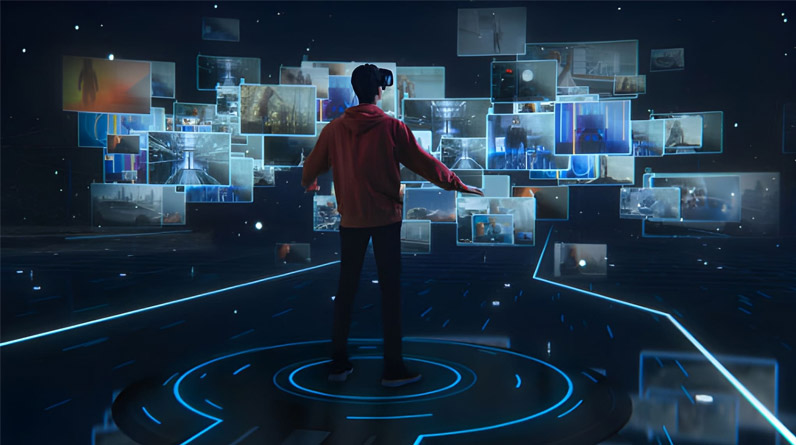
The entertainment trends of 2025 share common threads: interactivity, personalization, accessibility, and social consciousness. Technology isn’t just changing how we consume entertainment—it’s fundamentally redefining what entertainment can be.
The passive viewer is becoming an active participant. The geographic barriers to live events are dissolving. Independent creators have tools that rival traditional studios. And audiences expect entertainment that not only entertains but also aligns with their values and makes a positive impact.
For industry professionals, staying ahead means embracing these technologies while maintaining the human creativity that makes entertainment compelling. AI and automation are powerful tools, but they work best when amplifying human storytelling rather than replacing it.
For consumers, 2025 offers unprecedented choice, quality, and personalization in entertainment. Whether you’re gaming with friends across continents, attending a virtual concert, watching AI-recommended content tailored to your mood, or supporting independent creators directly, the entertainment landscape has never been richer or more accessible.
Conclusion: Entertainment’s Interactive Future
The biggest entertainment trends of 2025 point toward a future where the lines between creator and audience, physical and digital, entertainment and social connection continue to blur. AI drives personalization to new heights while also democratizing content creation. Immersive technologies transform passive viewing into active participation. Gaming evolves from hobby to lifestyle and social platform. Live events expand their reach through hybrid models. And sustainability becomes not just a nice-to-have but a necessity.
What ties these trends together is a fundamental shift in audience expectations. People want entertainment that’s personalized to their interests, accessible on their terms, socially connected, and aligned with their values. They want to participate, not just observe. They want to support creators directly, not just consume through traditional channels.
The companies, creators, and platforms that thrive will be those that understand this shift and build experiences accordingly. Technology enables these new forms of entertainment, but ultimately, success still comes down to storytelling, creativity, and human connection—just expressed through increasingly sophisticated and interactive mediums.
As we move deeper into 2025 and beyond, one thing is certain: entertainment will continue evolving at a rapid pace, driven by technology but guided by humanity’s timeless need for stories, connection, and shared experiences.