


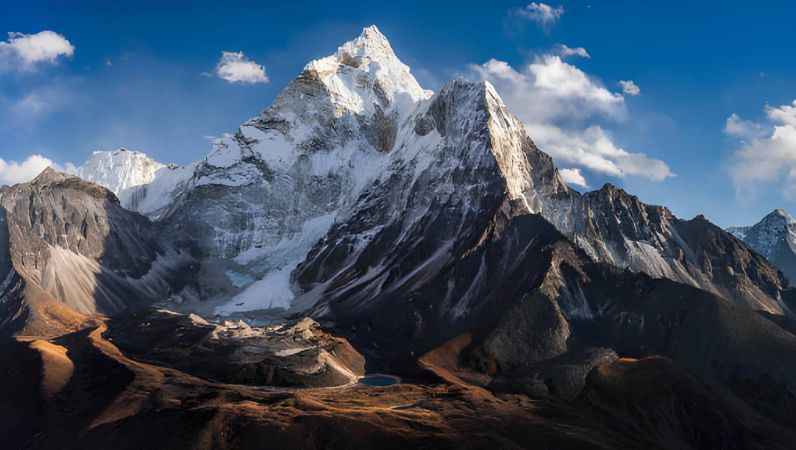
There’s something transformative about standing at the edge of a mountain trail, where the air tastes different and silence has texture. For nature lovers, mountains offer more than spectacular views—they provide a complete sensory reset. The rustle of wind through alpine meadows, the distant call of an eagle, and the crunch of frost under hiking boots create experiences that no city can replicate.
Mountain getaways attract over 400 million visitors annually to national parks and alpine regions worldwide, and the numbers continue climbing. But what makes these elevated landscapes so irresistible? It’s the promise of untamed wilderness, the opportunity to witness wildlife in natural habitats, and the chance to disconnect from digital noise while reconnecting with something more fundamental.
Whether you’re drawn to the spiritual heights of the Himalayas, the raw wilderness of Alaska, or the accessible beauty of European Alps, this guide will help you discover your perfect mountain sanctuary.
What Sets Mountain Destinations Apart for Nature Enthusiasts
Mountain environments create unique ecosystems found nowhere else on Earth. The dramatic elevation changes within short distances mean you can walk from lush forests into alpine tundra in a single afternoon, experiencing multiple climate zones without traveling thousands of miles.
Biodiversity in Vertical Landscapes
Mountains host approximately 85% of the world’s bird, mammal, and amphibian species. This concentration occurs because elevation creates distinct habitats stacked like layers of a cake. In the Rocky Mountains, you might spot elk grazing in valley meadows, mountain goats scaling impossible cliffs at mid-elevation, and marmots whistling from rocky outcrops near the summit—all in one day.
The Great Smoky Mountains alone house more tree species than all of northern Europe. These biodiversity hotspots make mountains essential viewing grounds for anyone passionate about observing nature’s diversity.
The Science of Mountain Air
That “fresh mountain air” feeling isn’t just psychological. At higher elevations, air contains higher concentrations of negative ions, which research suggests can boost mood and energy levels. Lower pollution levels and increased oxygen in forested areas contribute to the restorative effects many hikers report.
Related: Top 10 Travel Destinations for 2026
Choosing Your Mountain Experience: A Nature Lover’s Framework
Not all mountain getaways serve the same purpose. Your ideal destination depends on what aspect of nature captivates you most.
For the Wildlife Observer
If watching animals in their natural habitat tops your priority list, certain mountain ranges excel at wildlife encounters:
- Denali National Park, Alaska – Home to the “Big Five” of Alaska: grizzly bears, wolves, caribou, Dall sheep, and moose. The park’s single road policy limits vehicle access, keeping wildlife undisturbed and sightings abundant during summer months.
- Glacier National Park, Montana – Mountain goats here are so approachable (yet wild) that photographers can capture stunning images from safe distances. The park’s 700 miles of trails traverse prime grizzly and elk habitat.
- Japanese Alps, Central Japan – Witness the famous snow monkeys soaking in natural hot springs, particularly in Jigokudani Monkey Park. The juxtaposition of steaming water and snow-covered landscapes creates unforgettable scenes.
- Atlas Mountains, Morocco – Spot Barbary macaques, the only wild monkeys in Europe and North Africa, along with golden eagles soaring above Berber villages.
For the Summit Seeker
Peak baggers and those who crave high-altitude challenges will find their calling in these ranges:
- The Himalayas (Nepal, Bhutan) – Eight of the world’s fourteen peaks over 8,000 meters reside here. The Annapurna Circuit offers a 160-mile trek through some of Earth’s most dramatic elevation changes, from subtropical forests to high desert plateaus.
- Mount Kilimanjaro, Tanzania – Africa’s highest peak at 5,895 meters requires no technical climbing skills, making it accessible to fit hikers. Success rates hover around 65% on longer routes, offering a genuine mountaineering achievement.
- The Dolomites, Italy – UNESCO World Heritage peaks with via ferratas (protected climbing routes) that let adventurers safely experience vertical terrain. The pale limestone spires glow pink and gold during sunset in a phenomenon called “enrosadira.”
For the Solitude Finder
Some travelers seek mountains specifically for isolation and introspection:
- Alaska Range – With Denali towering at 6,190 meters, this range offers vast expanses where you can hike for days without encountering another soul. The scale here dwarfs most other mountain experiences.
- Patagonia (Chile and Argentina) – The southern reaches of the Andes provide some of Earth’s most remote trekking. Torres del Paine’s granite towers rise from windswept steppes, creating landscapes that feel prehistoric.
- Galiyat, Pakistan – Lesser-known hill stations like Nathiagali and Ayubia offer pine-forested tranquility without the crowds of more famous Asian destinations. The Ayubia National Park protects rare Himalayan wildlife in surprising accessibility.
For the Cultural Explorer
Mountains have shaped human civilizations for millennia, creating rich cultural experiences:
- The Andes, Peru – The Sacred Valley surrounding Machu Picchu reveals how the Inca engineered agriculture on impossible slopes. Living Quechua communities maintain traditional practices in high-altitude villages.
- Bhutan’s Tiger’s Nest Monastery – This sacred site clings to a 3,000-foot cliff face. The hike to Paro Taktsang combines physical challenge with spiritual immersion in Buddhist culture.
- The Pyrenees, Spain/France – Medieval villages dot these mountains, where stone buildings have stood for centuries. The Camino de Santiago pilgrimage route crosses these peaks, blending physical journey with spiritual tradition.
Seasonal Strategies for Mountain Travel
Mountain environments transform dramatically with seasons, and timing your visit correctly can make or break your experience.
| Season | Best For | Ideal Destinations | Considerations |
|---|---|---|---|
| Summer (June-August) | High-altitude trekking, wildflower viewing, extended daylight | Rockies, Alps, Himalayas (low routes) | Crowds peak; book accommodations early. Afternoon thunderstorms common. |
| Fall (September-November) | Foliage viewing, wildlife activity, fewer crowds | Great Smoky Mountains, Japanese Alps, New England ranges | Weather can be unpredictable. Some facilities close after October. |
| Winter (December-February) | Snow sports, winter wildlife viewing, aurora borealis (far north) | Swiss Alps, Hokkaido, Grand Tetons | Avalanche awareness essential. Limited trail access. Cold-weather gear required. |
| Spring (March-May) | Waterfall viewing from snowmelt, emerging wildlife, solitude | Yosemite, Patagonia, New Zealand Alps | Muddy trails possible. Snow remains at high elevations. Variable conditions. |
The Shoulder Season Advantage
May and September offer the goldilocks conditions many experienced mountain travelers prefer. Trails are accessible but not crowded, weather remains generally stable, and wildlife is active. Prices for lodging drop by 20-40% compared to peak summer rates.
Essential Planning for Your Mountain Getaway
The Altitude Factor
Altitude sickness affects approximately 25% of visitors who ascend above 2,400 meters without proper acclimatization. Symptoms include headaches, nausea, and fatigue—easily mistaken for dehydration or exhaustion.
Smart acclimatization strategies:
- Ascend gradually—spend at least one night at an intermediate elevation
- Stay hydrated (drink 3-4 liters daily at altitude)
- Avoid alcohol for the first 48 hours
- The “climb high, sleep low” principle: hike to higher elevations during the day but descend to sleep
Gear Essentials Beyond the Basics
While most hikers pack the obvious items (boots, water, layers), nature lovers benefit from specialized equipment:
- Binoculars – 8×42 or 10×42 magnification strikes the balance between power and portability for wildlife viewing
- Field guides – Regional plant and animal identification books transform hikes into learning experiences
- Trekking poles – Reduce knee strain by up to 25% on descents and improve stability on creek crossings
- Headlamp with red light mode – Preserves night vision for stargazing while allowing safe navigation
- Emergency shelter – Even on day hikes, a lightweight emergency bivy can be lifesaving if weather turns
Leave No Trace in Fragile Alpine Ecosystems
Mountain environments recover slowly from damage. Alpine vegetation can take decades to regrow, and wildlife patterns are easily disrupted. Critical practices include:
- Staying on established trails—shortcutting switchbacks causes erosion
- Camping at least 200 feet from lakes and streams
- Packing out all trash, including organic waste like banana peels
- Observing wildlife from distance—maintain 100 yards from bears, 25 yards from other animals
- Avoiding wildflower picking—photograph memories instead
Budget-Friendly Mountain Adventures
Experiencing mountain nature doesn’t require luxury resort budgets. Strategic planning makes alpine adventures accessible:
Cost-Effective Destination Choices
While Switzerland and Norway offer spectacular scenery, they also command premium prices. Consider these alternatives that deliver comparable experiences at fraction of the cost:
- Romania’s Carpathian Mountains instead of the Swiss Alps – Save 60-70% on accommodations while enjoying pristine wilderness and Europe’s largest population of brown bears
- Albania’s Accursed Mountains instead of the Dolomites – Dramatic limestone peaks with traditional mountain hospitality at local guesthouses for $20-30 per night
- Kyrgyzstan’s Tian Shan instead of the Himalayas – High-altitude trekking with yurt stays and nomadic culture experiences for a fraction of Nepal’s costs
The Work-Exchange Model
Platforms like Worldpackers connect travelers with mountain lodges, eco-projects, and hostels needing temporary help. Exchange 4-5 hours of daily work for accommodation, often including meals. This model provides extended stays in mountain regions while minimizing costs and maximizing cultural immersion.
Related: Travel How to Travel More Often on a Budget
Hidden Gems: Underrated Mountain Destinations
While iconic ranges deserve their fame, these lesser-known mountains offer equally stunning experiences without the crowds:
Pirin Mountains, Bulgaria
Over 70 glacial lakes shimmer among marble peaks in this UNESCO World Heritage site. The Via Pirin long-distance trail connects mountain huts where hot meals and beds cost less than $15 per night. August brings wild blueberry season—locals harvest the berries for traditional preserve making.
Tatra Mountains, Poland/Slovakia
The Carpathians’ highest range spans two countries, offering the only true alpine terrain between the Alps and Caucasus. Chamois (European mountain goats) and marmots populate high valleys. The compact range allows hikers to traverse from Poland to Slovakia and back in a single day trip.
Rwenzori Mountains, Uganda
The legendary “Mountains of the Moon” straddle the equator yet host glaciers and snow. This UNESCO site contains Africa’s third-highest peak and the most bizarre high-altitude vegetation on Earth—giant lobelias and groundsels grow 10 meters tall. The mountain’s isolation has preserved unique endemic species found nowhere else.
Making Your Mountain Experience More Meaningful
Photography Tips for Mountain Landscapes
Capturing mountain beauty requires more than pointing and shooting:
- Golden hour elevation advantage – Mountains catch first and last light while valleys remain in shadow, creating dramatic contrasts. Arrive at viewpoints 45 minutes before sunrise.
- Foreground elements – Include wildflowers, rocks, or streams in the bottom third of frame to add depth and scale to distant peaks.
- Weather drama – Don’t pack away your camera when clouds roll in. Storm light, fog, and clearing skies often produce more compelling images than perfect blue skies.
Nature Journaling in the Mountains
Bringing a small notebook transforms observation into connection. Sketch the shape of a leaf, note the behavior of a bird, or describe the smell of pine resin warming in afternoon sun. These recorded details become treasured memories that photos alone cannot capture.
Safety Considerations for Mountain Nature Lovers
Mountains command respect. Even experienced outdoor enthusiasts face risks that don’t exist in lowland environments.
The Afternoon Thunderstorm Window
Mountain weather follows predictable patterns. In most ranges, calm morning conditions deteriorate by early afternoon as heating causes convective storms. Plan to reach high exposed areas (ridgelines, summits) by noon, then descend before 2:00 PM when lightning risk peaks.
Wildlife Encounter Protocols
Different animals require different responses:
- Black bears – Make noise while hiking; if encountered, stand tall, speak firmly, and back away slowly. Never run.
- Mountain lions – Maintain eye contact, appear large (raise arms, open jacket), and fight back if attacked. They ambush prey, so travel in groups and keep children close.
- Moose – More dangerous than bears in some regions. Give them wide berth, especially mothers with calves. Their ears back signals aggression—retreat immediately.
Navigation Beyond GPS
Technology fails—batteries die, devices slip from cold fingers, and mountains block signals. Always carry paper maps and a compass, and know how to use them. Download offline maps before trips, but don’t depend solely on digital navigation.
Sustainable Mountain Tourism
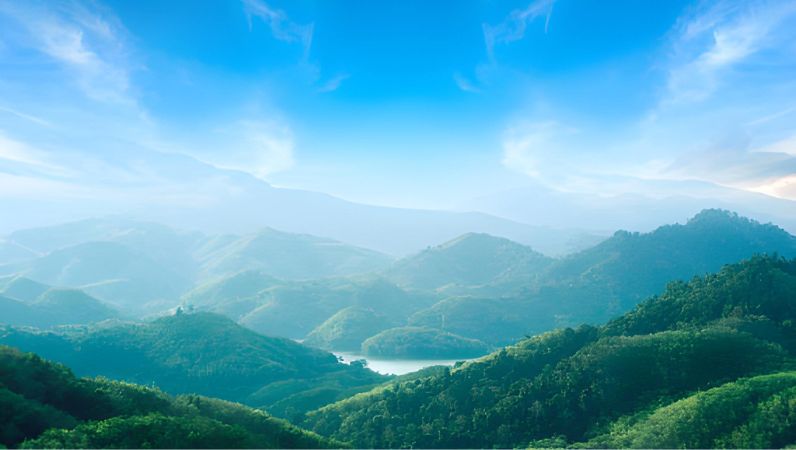
Popular mountain destinations face environmental pressure from increasing visitation. Nature lovers bear responsibility to minimize their impact:
Support Conservation Through Your Choices
- Stay at accommodations with environmental certifications
- Choose guided services from local companies that employ regional guides
- Purchase park passes and permits—fees fund trail maintenance and wildlife protection
- Visit during shoulder seasons to distribute impact across time
- Consider volunteering for trail maintenance days
The Overtourism Reality
Instagram-famous locations like Norway’s Trolltunga now see 100,000+ annual visitors—ten times the number from a decade ago. This concentration damages fragile ecosystems and diminishes the wilderness experience. Choosing lesser-known alternatives helps distribute pressure while often providing superior nature encounters.
Your Mountain Journey Awaits
Mountains offer nature lovers what few other environments can—the combination of dramatic beauty, ecological richness, and the satisfying challenge of moving through vertical terrain under your own power. Whether you’re drawn to the spiritual heights of Asian peaks, the raw wilderness of Alaska, or the accessible beauty of European Alps, these elevated landscapes promise transformation.
The perfect mountain getaway exists for every nature lover, regardless of budget, fitness level, or experience. Start planning your escape to higher ground. Those peaks aren’t getting any younger—and neither are we. The trails await, the wildlife roams, and the clean mountain air is calling your name.
What mountain will you answer to first?