


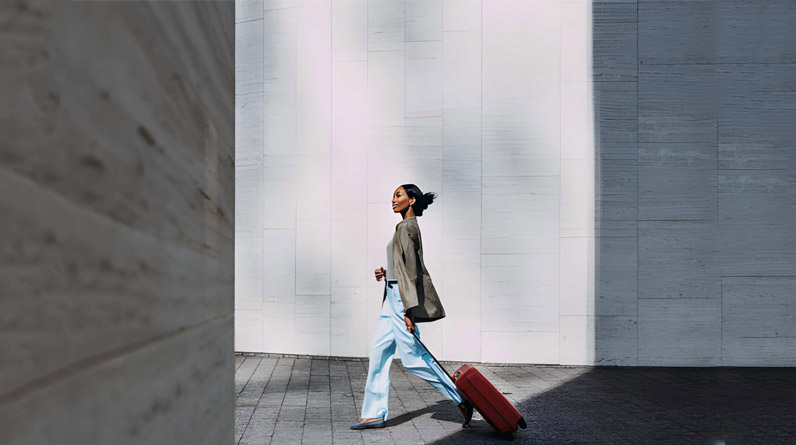
Minimalist Fashion: How to Create a Clean, Stylish Look
Meta Title: Minimalist Fashion Guide: Create a Clean, Stylish Look
Meta Description: Master minimalist fashion with our complete guide. Learn to build a capsule wardrobe, choose quality pieces, and create effortlessly chic outfits that never go out of style.
Introduction: The Power of Less in Fashion
In a world saturated with fast fashion trends and overflowing closets, minimalist fashion emerges as a breath of fresh air. This isn’t about deprivation or boring basics—it’s about intentional choices that create a wardrobe where every piece earns its place.
Minimalist fashion represents a shift from quantity to quality, from chaos to clarity. It’s the art of looking polished and put-together without the stress of endless outfit decisions. Whether you’re drawn to the sleek sophistication of the Clean Girl Aesthetic or simply want to streamline your morning routine, minimalist fashion offers a timeless approach that transcends fleeting trends.
This comprehensive guide will walk you through everything you need to know about creating a minimalist wardrobe that reflects your personal style while simplifying your life.
What Is Minimalist Fashion? Understanding the Philosophy
Minimalist fashion is more than just a style choice—it’s a mindset. At its core, it embraces the principle that simplicity is the ultimate sophistication. This approach focuses on curating a wardrobe of high-quality, versatile pieces in neutral tones that can be effortlessly mixed and matched.
The minimalist wardrobe is built on three foundational pillars:
- Quality over quantity: Fewer pieces that last years rather than dozens that fall apart in months
- Timeless over trendy: Classic silhouettes that remain stylish regardless of seasonal fads
- Intentionality over impulse: Every garment serves a purpose and fits seamlessly into your lifestyle
This philosophy gained significant traction through social media, particularly with the rise of the Clean Girl Aesthetic on platforms like TikTok and Instagram. The aesthetic celebrates neutral palettes, clean lines, and an effortlessly polished appearance that looks both modern and timeless.
Why Choose Minimalist Fashion? The Benefits Beyond Style
Adopting a minimalist approach to fashion offers advantages that extend far beyond your closet:
Financial Benefits
While quality minimalist pieces may have higher upfront costs, they prove more economical long-term. A well-made cashmere sweater that lasts five years costs less per wear than multiple cheap alternatives that need replacing every season.
Time Savings
With a streamlined wardrobe where everything coordinates, getting dressed becomes effortless. No more staring at a packed closet feeling like you have nothing to wear.
Environmental Impact
By choosing natural materials like organic cotton, linen, and wool, and avoiding fast fashion, you reduce your carbon footprint. Fewer purchases mean less textile waste in landfills.
Mental Clarity
A simplified wardrobe reduces decision fatigue and creates a sense of calm. When your closet contains only pieces you love and wear regularly, you eliminate the guilt associated with unworn clothes.
Elevated Confidence
Knowing you look polished and put-together in well-fitting, quality pieces naturally boosts confidence. The minimalist look communicates sophistication and intentionality.
Building Your Foundation: The Capsule Wardrobe Approach
The capsule wardrobe concept is central to minimalist fashion. This involves curating a collection of essential pieces—typically 30-40 items including shoes—that work together seamlessly.
Step 1: Audit Your Current Wardrobe
Begin by taking everything out of your closet. Ask yourself these questions for each item:
- Have I worn this in the past year?
- Does it fit properly?
- Is it in good condition (no stains, tears, or excessive wear)?
- Do I feel confident when wearing it?
- Does it align with my current lifestyle?
Be honest and ruthless. Items that don’t meet these criteria should be donated, sold, or recycled.
Step 2: Identify Gaps
After decluttering, organize remaining pieces by color and category. You’ll likely notice gaps—perhaps you need tailored trousers or a quality blazer. Make a list of missing essentials rather than shopping impulsively.
Step 3: Shop Intentionally
When purchasing new pieces, consider the “cost per wear” calculation. A $200 blazer worn 100 times costs $2 per wear, making it more valuable than a $50 blazer worn only five times.
Essential Pieces for Your Minimalist Wardrobe
While personal style varies, certain foundational pieces form the backbone of any minimalist wardrobe. Here’s a comprehensive list organized by category:
| Category | Essential Pieces | Why It Matters |
|---|---|---|
| Tops | • Crisp white button-down shirt • Classic white t-shirt • Black turtleneck • Cashmere or merino wool sweater |
Versatile bases that work for multiple occasions and pair with everything |
| Bottoms | • Tailored black trousers • High-waisted jeans (dark wash) • Beige or grey trousers • Midi skirt (neutral tone) |
Foundation pieces that create clean silhouettes and endless outfit combinations |
| Outerwear | • Structured blazer (black or navy) • Classic trench coat (beige or black) • Quality wool coat |
Elevates any outfit instantly while providing practical functionality |
| Dresses | • Simple black sheath dress • Midi dress (neutral color) • Silk slip dress |
One-piece solutions for effortless dressing with maximum impact |
| Shoes | • White leather sneakers • Black ankle boots • Classic loafers • Nude or black heels |
Complete the look while ensuring comfort and versatility |
| Accessories | • Structured leather handbag • Gold hoop earrings • Simple watch • Quality leather belt |
Subtle details that add polish without overwhelming the aesthetic |
The White Button-Down: A Case Study in Versatility
Consider the crisp white button-down shirt—arguably the most versatile piece in minimalist fashion. This single item can be:
- Worn traditionally with tailored trousers for professional settings
- Tied at the waist over jeans for casual elegance
- Layered under a sweater with just the collar visible
- Worn oversized as a dress with ankle boots
- Paired with a midi skirt for feminine sophistication
This exemplifies the minimalist principle: one high-quality piece serving multiple purposes.
The Minimalist Color Palette: Creating Visual Harmony
Color selection is crucial in minimalist fashion. The goal is creating a cohesive wardrobe where pieces naturally complement each other.
Core Neutral Colors
Build your wardrobe around these timeless neutrals:
- White and Cream: Fresh, clean, and endlessly versatile
- Black: Sophisticated and slimming, perfect for creating strong silhouettes
- Beige and Taupe: Warm neutrals that soften the overall look
- Grey: From charcoal to soft grey, offers subtle variety
- Navy: A sophisticated alternative to black with more depth
Accent Colors
Once your neutral foundation is established, you can incorporate subtle accent colors:
- Soft Pastels: Blush pink, dusty blue, sage green add gentle color without disrupting harmony
- Earth Tones: Camel, olive, rust provide warmth while maintaining sophistication
The key is keeping your palette intentionally limited. A rule of thumb: stick to 3-4 core neutrals and 1-2 accent colors maximum.
Why Neutrals Work
Neutral palettes create visual calm and make mixing and matching effortless. When every piece in your wardrobe coordinates with multiple others, you multiply your outfit possibilities exponentially. A 10-piece neutral wardrobe can create over 30 different outfits, while a 10-piece wardrobe of varied colors might only produce 8-10 wearable combinations.
Fabric Selection: Quality You Can Feel
In minimalist fashion, fabric quality is non-negotiable. The right materials elevate simple designs and ensure longevity.
Natural Fibers: The Minimalist’s Choice
Organic Cotton: Breathable, soft, and environmentally conscious. Look for heavyweight cotton for structure in shirts and dresses.
Linen: Perfect for warm weather, linen develops character over time, becoming softer with each wash. Its natural texture adds visual interest to simple silhouettes.
Wool: From lightweight merino to structured wool suiting, this versatile fiber regulates temperature and resists wrinkles. Quality wool pieces can last decades with proper care.
Cashmere: The ultimate luxury for sweaters and cardigans. While expensive, quality cashmere is an investment that provides warmth, softness, and timeless elegance.
Silk: Adds a subtle luxury to minimalist wardrobes. From silk blouses to slip dresses, this fabric drapes beautifully and elevates simple designs.
Avoiding Synthetic Fabrics
While some synthetic blends have their place (like added elastane for stretch), cheap polyester and acrylic fabrics should be avoided. They don’t breathe well, pill quickly, and can make even well-cut garments look cheap.
The Texture Principle
When working with a neutral palette, mixing textures prevents outfits from appearing flat or boring. Pair smooth silk with structured cotton, or combine the softness of cashmere with crisp linen. This creates visual depth without adding color or pattern.
Mastering Fit and Silhouette: The Make-or-Break Factor
In minimalist fashion, fit is everything. Without prints, embellishments, or bold colors to distract the eye, poorly fitting garments are glaringly obvious.
The Principles of Minimalist Fit
Clean Lines: Clothes should skim the body without clinging excessively or drowning your frame. The silhouette should be intentional and deliberate.
Proper Tailoring: Invest in alterations. A $50 blazer that fits perfectly looks more expensive than a $500 blazer that doesn’t. Key areas to tailor include:
- Sleeve length on blazers and coats
- Trouser hem length
- Waist suppression on jackets
- Shoulder width on structured pieces
Proportional Balance: Create visual interest by balancing proportions. Pair wide-leg trousers with fitted tops, or oversized blazers with sleek pants. This contrast creates sophisticated silhouettes.
Understanding Your Body
Minimalist fashion works for all body types when you understand what flatters your specific shape. The goal isn’t to follow rigid rules but to find cuts and silhouettes that make you feel confident.
For example:
- High-waisted trousers elongate legs regardless of height
- Structured blazers create definition and polish
- V-necklines create vertical lines that are universally flattering
- Midi lengths offer sophistication while accommodating various heights
The Art of Minimalist Accessories: Less Is More
Accessories in minimalist fashion should enhance rather than overwhelm. The mantra is “thoughtful, not excessive.”
Jewelry Guidelines
Gold or Silver (Not Both): Choose one metal tone and stick with it for consistency. Gold creates warmth, while silver offers cool sophistication.
Delicate Over Statement: Opt for:
- Simple hoop earrings (small to medium size)
- Thin chain necklaces
- Minimal rings (one or two maximum)
- Slim bracelets or a classic watch
Quality Over Quantity: A few well-made pieces you wear daily beat a jewelry box full of items you never use.
Bags and Shoes
Bags: Invest in structured, logo-free bags in leather or quality materials. A black or tan leather tote and a smaller crossbody in neutral tones cover most needs.
Shoes: Keep your shoe collection focused:
- White leather sneakers for casual sophistication
- Black ankle boots for versatility
- Loafers for polished comfort
- One pair of heels in nude or black
Well-maintained shoes are crucial—scuffed, worn shoes undermine even the most polished outfit.
Styling Your Minimalist Wardrobe: Practical Outfit Formulas
Here are proven outfit combinations that exemplify minimalist fashion:
The Classic Professional
Formula: Tailored trousers + White button-down + Structured blazer + Loafers + Simple watch
Why it works: Clean, authoritative, and endlessly appropriate for professional settings.
Elevated Casual
Formula: High-waisted jeans + White t-shirt + Beige trench coat + White sneakers + Crossbody bag
Why it works: Effortless sophistication for everyday wear that still looks intentional.
Modern Monochrome
Formula: Black turtleneck + Black trousers + Black ankle boots + Statement watch
Why it works: Sleek, slimming, and powerful. The monochrome approach creates a streamlined silhouette.
Soft Neutrals
Formula: Beige cashmere sweater + Cream trousers + Tan loafers + Gold hoops
Why it works: Warm and approachable while maintaining sophistication through texture and quality.
The Dress Solution
Formula: Midi slip dress + Blazer + Ankle boots + Minimal jewelry
Why it works: One-piece dressing with a layer for versatility—works for multiple occasions.
Beauty and Grooming: Completing the Minimalist Look
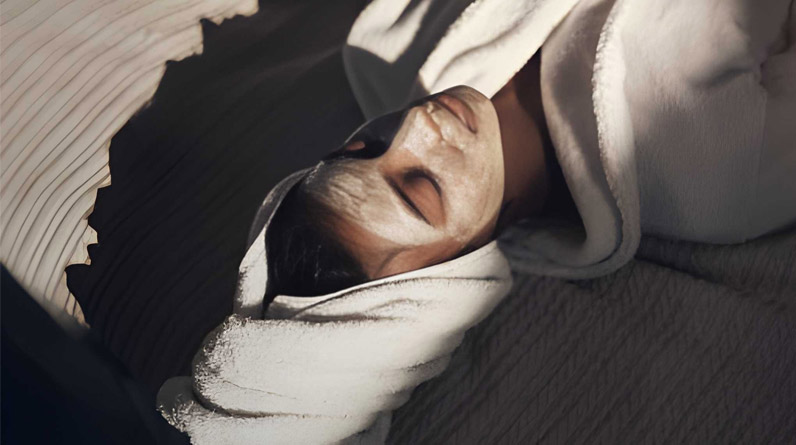
The minimalist aesthetic extends beyond clothing to encompass your entire appearance.
The Minimalist Beauty Routine
Skincare First: Healthy, glowing skin is the foundation. Focus on:
- Gentle cleansing
- Hydration with quality moisturizer
- Sun protection daily
- Occasional exfoliation
Minimal Makeup: The goal is enhancing natural beauty, not masking it:
- Tinted moisturizer or light foundation for even tone
- Cream blush in soft pink for a healthy flush
- Groomed brows
- Mascara for definition
- Nude or pink lip color
- Optional: subtle highlighter for dewy glow
Hair Styling
Minimalist hairstyles are sleek and intentional:
- Slicked-back bun: Polished and professional
- Low ponytail: Effortlessly chic
- Smooth, straight hair: Clean and modern
- Natural waves: Soft and approachable
The key is neatness and intention—avoid overly complicated styles that require excessive products or time.
The Maintenance Imperative
In minimalist fashion, impeccable grooming makes the difference:
- Clothes should be wrinkle-free (invest in a steamer)
- Shoes should be clean and scuff-free
- Fabrics shouldn’t show pilling or wear
- Hems should be intact
- Nails should be clean and groomed (neutral polish or natural)
These details signal that you care about your appearance and respect quality.
Common Minimalist Fashion Mistakes to Avoid
Even with good intentions, it’s easy to stumble. Here are pitfalls to watch for:
Mistake 1: Confusing Boring with Minimal
The Problem: Creating outfits that are so neutral and simple they lack personality.
The Solution: Use texture, proportion, and fit to create interest. A monochrome outfit in varied fabrics (silk, wool, cotton) creates visual depth without adding color.
Mistake 2: Sacrificing Fit for Simplicity
The Problem: Buying oversized or ill-fitting pieces thinking “simple” means shapeless.
The Solution: Minimalism celebrates clean lines and proper tailoring. Clothes should enhance your silhouette, not hide it.
Mistake 3: Neglecting Personal Style
The Problem: Following minimalist “rules” so rigidly you lose your individuality.
The Solution: Minimalism is a framework, not a uniform. If you love vintage accessories or have a signature scarf, incorporate them. Your wardrobe should reflect who you are.
Mistake 4: Buying Poor Quality to Save Money
The Problem: Choosing cheap basics over quality pieces, then replacing them constantly.
The Solution: Build gradually, investing in fewer, better pieces. A small wardrobe of quality items serves you better than a large one of disposable fashion.
Mistake 5: Over-Accessorizing
The Problem: Adding too many accessories, undermining the minimalist aesthetic.
The Solution: Follow the “remove one thing” rule—before leaving, remove one accessory. You likely don’t need the necklace, bracelet, AND rings.
Mistake 6: Ignoring Garment Care
The Problem: Not maintaining clothes properly, leading to premature wear.
The Solution: Follow care instructions, invest in quality hangers, store seasonal items properly, and address stains or repairs immediately.
Building Your Minimalist Wardrobe: A Practical Timeline
Transitioning to minimalist fashion doesn’t happen overnight. Here’s a realistic approach:
Month 1: Audit and Declutter
- Remove items you haven’t worn in a year
- Identify your most-worn pieces (these indicate your true style)
- Create a list of essential gaps
Months 2-3: Invest in Foundations
- Purchase 2-3 key basics (white shirt, quality trousers, versatile blazer)
- Focus on perfect fit—get alterations if needed
- Choose neutral colors that coordinate with existing pieces
Months 4-6: Complete Core Wardrobe
- Add seasonal pieces (lightweight summer items or warm winter layers)
- Invest in quality shoes and one good bag
- Refine your color palette based on what you actually wear
Months 7-12: Fine-Tune and Maintain
- Replace any remaining low-quality items as budget allows
- Add carefully considered pieces that enhance versatility
- Establish a “one in, one out” rule for sustainability
Related: How to Build a Timeless Wardrobe on Any Budget
Minimalist Fashion for Different Lifestyles
Minimalist principles adapt to various life situations:
Corporate Professional
Focus on tailored suiting, quality dress shoes, and polished accessories. Your wardrobe might skew more formal but remains built on versatile, neutral foundations.
Creative Professional
Add subtle personality through texture, interesting silhouettes, or one signature accessory while maintaining the minimalist framework.
Stay-at-Home Parent
Prioritize comfortable yet polished pieces—quality loungewear, elevated basics, and easy-care fabrics that still look intentional.
Active Lifestyle
Incorporate quality athleisure in neutral tones that transitions from gym to casual outings. Well-fitted leggings, simple sneakers, and clean hoodies maintain the aesthetic.
The Sustainability Connection: Why Minimalism Matters
The fashion industry is one of the world’s largest polluters. Minimalist fashion offers an antidote:
- Reduced consumption: Buying less means less manufacturing demand
- Quality longevity: Well-made pieces last years, not months
- Natural materials: Organic cotton, linen, and wool are biodegradable
- Timeless design: Classic pieces don’t end up in landfills when trends shift
- Mindful purchasing: Intentional buying reduces impulse purchases and waste
By choosing minimalist fashion, you’re not just simplifying your wardrobe—you’re making an environmental statement.
Conclusion: Embracing Simplicity with Style
Minimalist fashion isn’t about sacrifice or restriction—it’s about liberation. When you build a wardrobe of carefully chosen, high-quality pieces that coordinate effortlessly, getting dressed becomes a pleasure rather than a chore.
The journey to minimalist style is personal and gradual. Start with the basics, focus on fit and quality, and don’t rush the process. Your minimalist wardrobe should evolve naturally to reflect your lifestyle, body, and personal aesthetic.
Remember these core principles:
- Quality always trumps quantity
- Fit is non-negotiable
- Neutral palettes create endless versatility
- Natural fabrics offer superior longevity and comfort
- Accessories should enhance, not overwhelm
- Maintenance matters—keep everything in pristine condition
- Your personality should shine through, even in simplicity
In a world of constant consumption and fleeting trends, minimalist fashion offers something rare: timeless elegance, financial wisdom, environmental responsibility, and the confidence that comes from knowing you look polished every single day.
Start small, invest wisely, and embrace the power of less. Your closet—and your mornings—will thank you.
RetryClaude can make mistakes. Please double-check responses.