


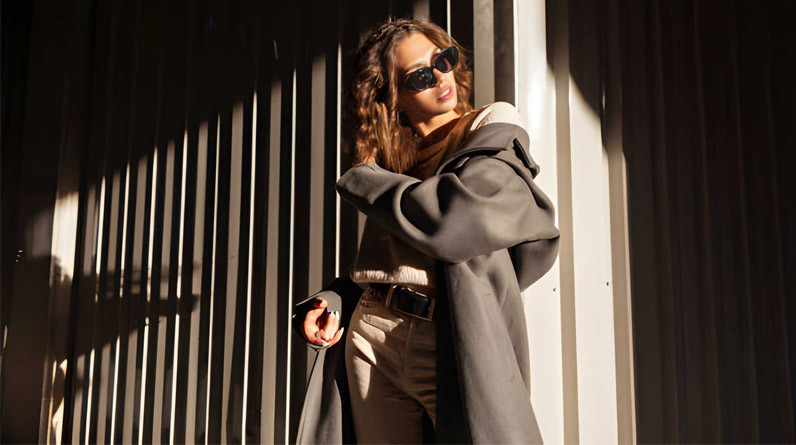
In a world saturated with fast fashion trends and overwhelming style choices, the clean, modern look has emerged as a refreshing antidote to wardrobe chaos. This aesthetic isn’t about following fleeting trends or owning hundreds of pieces—it’s about intentional choices, quality over quantity, and creating a visual harmony that translates effortlessly from morning coffee runs to evening dinners.
The clean, modern look is characterized by streamlined silhouettes, neutral color palettes, impeccable fit, and an understated elegance that never tries too hard. Think of it as the intersection between minimalism and sophistication, where every piece in your wardrobe earns its place through versatility and timeless appeal.
What makes this approach particularly powerful is its accessibility. Whether you’re a busy professional, a stay-at-home parent, or somewhere in between, these principles work across budgets, body types, and lifestyles. The goal isn’t perfection—it’s creating a personal style that feels authentically you while maintaining that polished, put-together appearance that seems effortless.
Building Your Foundation: The Capsule Wardrobe Philosophy
The foundation of any clean, modern wardrobe starts with understanding what you actually need versus what fashion marketing tells you to want. This is where the capsule wardrobe concept becomes invaluable—not as a restrictive formula, but as a strategic framework for building a functional, cohesive collection.
The 70/30 Wardrobe Rule
One of the most effective strategies for maintaining a modern wardrobe is the 70/30 rule: allocate 70% of your closet to timeless basics and 30% to trend-focused pieces. This ratio ensures you have a solid foundation of pieces that work year after year, while still leaving room for personality and current fashion expressions.
Your 70% should include items like well-fitted jeans, classic blazers, quality t-shirts, neutral sweaters, and versatile dresses. These are the workhorses that create countless outfit combinations. The 30% allows you to experiment with seasonal colors, trending silhouettes, or statement pieces that keep your look feeling fresh and current.
The 3-3-3 Method for Daily Dressing
For those who struggle with daily outfit decisions, the 3-3-3 method simplifies the process dramatically. The concept is straightforward: maintain three tops, three bottoms, and three pairs of shoes that can be mixed and matched interchangeably. This creates nine basic combinations without even considering layering or accessories.
The key is ensuring these nine pieces work together cohesively through color coordination and style consistency. When executed properly, this small collection can generate dozens of distinct looks, eliminating the paradox of choice that leaves you staring at a full closet with “nothing to wear.”
The Power of a Neutral Color Palette
Color is one of the most powerful yet underutilized tools in achieving a clean, modern aesthetic. While bold colors certainly have their place, building your wardrobe around neutrals creates instant sophistication and maximum versatility.
Core Neutral Colors for a Modern Wardrobe
| Color | Best For | Styling Advantage |
|---|---|---|
| Black | Evening wear, professional settings | Instantly polished, slimming effect |
| White/Cream | Casual to formal, all seasons | Fresh, crisp, pairs with everything |
| Navy | Professional, casual, everyday | Less harsh than black, equally versatile |
| Gray | Business casual, layering pieces | Modern, sophisticated, easy to style |
| Beige/Camel | Outerwear, accessories, pants | Warm, elevated, timeless |
| Olive | Casual wear, transitional seasons | Adds depth without overwhelming |
Mastering Monochromatic Dressing
One of the chicest expressions of modern style is the monochromatic outfit—wearing variations of a single color from head to toe. This technique creates a long, unbroken visual line that’s both elegant and surprisingly easy to execute.
The secret to successful monochromatic dressing lies in playing with different textures and tones within the same color family. For example, pair a cream silk blouse with camel wool trousers and a beige cotton trench coat. The varying materials create visual interest while maintaining the streamlined aesthetic that defines modern style.
Fit and Tailoring: The Non-Negotiable Elements
Here’s an uncomfortable truth that the fashion industry doesn’t often emphasize: an inexpensive garment that fits perfectly will always look better than an expensive piece that doesn’t. Fit is the difference between looking “fine” and looking exceptional.
Why Proper Fit Matters More Than Brand Names
The clean, modern look is predicated on clothes that skim your body without clinging or overwhelming it. When clothing fits properly, it creates clean lines that are visually pleasing and photograph well. Conversely, even the most beautiful garment loses its impact when it’s too tight, too loose, or awkwardly proportioned for your frame.
Common fit issues that undermine a modern aesthetic include:
- Sleeves that are too long or bunch awkwardly at the wrist
- Pants that pool at the ankles or sit at an unflattering rise
- Shoulder seams that don’t align with your natural shoulder line
- Blazers that pull across the back or gap at the buttons
- Dresses or tops that create horizontal pulling lines across the bust or hips
When to Invest in Tailoring
Professional tailoring might seem like a luxury, but it’s one of the most cost-effective investments in your wardrobe. A $50 pair of pants that’s been tailored to your exact proportions will serve you better and longer than a $200 pair that fits “pretty well.”
Items worth tailoring include:
- Blazers and structured jackets (shoulders, length, sleeves)
- Trousers and jeans (hem, waist, taper)
- Dresses (length, waist suppression, straps)
- Button-down shirts (sleeve length, torso length, darts)
The cost typically ranges from $10-$50 per alteration, depending on complexity—a small price for transforming how you look and feel in your clothes.
Quality Fabrics and Materials: What to Look For
The tactile quality of your clothing dramatically impacts the overall impression of your style. Quality fabrics not only look better initially—they maintain their appearance through repeated wear and washing, making them a smarter long-term investment.
Natural Fibers vs. Synthetics
For a clean, modern aesthetic, natural fibers generally perform better than synthetics. Cotton, linen, wool, silk, and cashmere offer superior breathability, drape, and longevity. They also tend to look more expensive and sophisticated than polyester or acrylic alternatives.
That said, modern fabric technology has created some excellent blends that combine the best properties of natural and synthetic materials—think wrinkle-resistant cotton blends or performance wool that maintains its structure while offering stretch and recovery.
Fabric Choices by Season
- Spring/Summer: Lightweight cotton, linen, silk, cotton-linen blends, breathable rayon
- Fall/Winter: Merino wool, cashmere, heavier cotton, corduroy, tweed, flannel
- Year-Round: Medium-weight cotton, ponte knit, quality jersey, chambray
Strategic Wardrobe Curation: Quality Over Quantity
The pathway to a clean, modern look isn’t paved with more clothes—it’s built on having the right clothes. This requires a shift in mindset from accumulation to curation.
The “Only Love It” Principle
One of the most transformative strategies for maintaining a modern wardrobe is ruthlessly eliminating anything you feel lukewarm about. If you don’t genuinely love an item—if it doesn’t fit well, make you feel confident, or align with your style—it’s taking up valuable space and mental energy.
Ask yourself these questions about each piece:
- Do I reach for this regularly, or does it get skipped over?
- Does it fit my current lifestyle and body?
- Would I buy this again today at full price?
- Does it work with at least three other items in my wardrobe?
If the answer to any of these is “no,” it’s time to let it go—even if it was expensive, even if you’ve barely worn it, even if it “might be useful someday.”
Related: How to Build a Timeless Wardrobe on Any Budget
Recognizing When Clothes Are Dated
Even classic pieces eventually show their age. Silhouettes evolve subtly over time, and what looked modern five years ago might unconsciously date your appearance today. Key indicators that a piece needs updating include:
- Jeans with a specific rise or leg shape that’s no longer current
- Blazers with exaggerated shoulder padding or overly boxy cuts
- Dresses with dated necklines or hemlines
- Patterns or color combinations that feel distinctly from another era
This doesn’t mean chasing every trend, but rather maintaining awareness of how proportions and details shift over time. A good rule of thumb: if a piece is approaching its 15-20 year mark, evaluate it critically for current relevance.
Duplicating Your Essentials
Here’s a counterintuitive strategy that dramatically simplifies daily dressing: buy multiples of your absolute favorite, most-worn items. If you have a white t-shirt you reach for constantly, own three or four of the exact same one. If certain black pants work perfectly with everything, have backup pairs.
This approach eliminates the frustration of your go-to piece being in the laundry when you need it. It also ensures consistency in your wardrobe—you know these items work, so having multiples guarantees you can always create outfits you love.
Styling Techniques for Everyday Elegance
Having quality basics is essential, but knowing how to style them is what brings a clean, modern look to life. These techniques transform simple pieces into sophisticated outfits.
The Art of Layering
Layering isn’t just practical for temperature regulation—it’s a styling technique that adds dimension and interest to otherwise basic outfits. The key to successful layering lies in varying lengths, textures, and proportions while maintaining a cohesive color story.
Effective layering combinations:
- Fitted turtleneck + oversized blazer + slim trousers
- White t-shirt + chambray shirt (worn open) + dark jeans
- Slip dress + fitted sweater + ankle boots
- Button-down + crew neck sweater + statement coat
The general principle: keep at least one layer fitted to maintain structure and prevent looking bulky or shapeless.
The Three-Piece Upgrade Strategy
This is a game-changing approach for instantly elevating casual basics. Start with your everyday outfit—say, jeans and a t-shirt—then add three strategic pieces to transform it:
- A structured coat or jacket (blazer, trench coat, leather jacket)
- A quality handbag (structured tote, classic crossbody, leather bag)
- Elevated footwear (ankle boots, loafers, minimalist sneakers)
These three additions create the visual impression of a carefully curated outfit without requiring an entirely new wardrobe. It’s the difference between running errands and looking like you’re running errands.
Creating Your Personal Uniform
Many of the most stylish people follow a version of the “uniform” concept—not wearing identical outfits daily, but creating variations on a signature formula. This approach simplifies decision-making while maintaining visual consistency that becomes part of your personal brand.
Examples of effective style uniforms:
- White button-down + dark jeans + blazer (varying the blazer and accessories)
- Black turtleneck + tailored trousers + statement coat
- Simple dress + cardigan + ankle boots (changing the dress and cardigan)
- Neutral sweater + high-waisted pants + loafers
The beauty of this approach is that you’re making micro-decisions (which version of the formula today?) rather than starting from scratch each morning.
Maintenance and Care: Preserving Your Investment
A clean, modern look requires clean, well-maintained clothes. This might seem obvious, but it’s often overlooked in favor of buying new pieces. Proper care extends the life of your wardrobe significantly and ensures every wear looks as good as the first.
Essential Maintenance Practices
- Read and follow care labels: Those symbols aren’t suggestions—they’re instructions for preserving the garment’s integrity
- Invest in quality hangers: Velvet slim hangers prevent slipping and maintain shape better than wire or plastic
- Steam rather than iron when possible: Steaming is gentler on fabrics and faster for removing wrinkles
- Air dry delicates and knitwear: Machine drying accelerates wear and causes shrinkage
- Address stains immediately: The longer a stain sets, the harder it becomes to remove
Natural Fabric Care Solutions
For those seeking alternatives to traditional fabric softeners and harsh chemicals, natural solutions can be equally effective:
- White vinegar in the rinse cycle softens fabrics and removes detergent residue
- Baking soda added to the wash brightens whites and neutralizes odors
- Cold water washing preserves colors and is gentler on fabrics while reducing energy costs
- Inside-out washing for dark colors minimizes fading and protects the exterior finish
When to Retire vs. Repair
Not every damaged garment needs to be discarded. Small issues like loose buttons, minor tears, or broken zippers are easily and inexpensively repaired. However, knowing when to let go is equally important:
Repair if: The item is a wardrobe staple, the damage is minor, the overall condition is good, and the cost of repair is reasonable relative to replacement cost.
Retire if: The fabric is pilling extensively, colors have faded significantly, the item no longer fits your style or body, or the repair cost approaches the price of a new, better-quality replacement.
Accessories: The Finishing Touch
The clean, modern aesthetic favors restraint in accessories, but that doesn’t mean going without them entirely. The right accessories can elevate a simple outfit from basic to sophisticated—it’s about selection, not accumulation.
The Minimalist Accessory Approach
Rather than piling on jewelry, bags, scarves, and belts, the modern approach focuses on one or two well-chosen pieces that complement rather than compete with your outfit.
Key principles for modern accessorizing:
- One statement piece per outfit: If you’re wearing bold earrings, keep necklaces minimal
- Quality over novelty: Classic pieces in excellent condition trump trendy pieces in mediocre quality
- Proportion matters: Match accessory scale to your frame and outfit (delicate jewelry with fitted clothes, chunkier pieces with oversized garments)
- Metal consistency: Stick to one metal tone (gold or silver) throughout your accessories for visual cohesion
Investment-Worthy Accessories
These are the accessories worth spending a bit more on, as they’re worn frequently and significantly impact your overall appearance:
| Accessory | Why It Matters | What to Look For |
|---|---|---|
| Everyday Handbag | Used daily, highly visible | Real leather, classic shape, neutral color |
| Watch | Signals attention to detail | Clean face, quality materials, timeless design |
| Belt | Defines silhouette | Real leather, simple buckle, matches shoe color |
| Everyday Shoes | Foundation of every outfit | Comfortable, well-made, versatile style |
| Sunglasses | Completes outdoor looks | Flattering shape for face, quality lenses, classic frames |
Practical Implementation: Making It Work in Real Life

Theory is helpful, but implementation is where style becomes reality. Here’s how to translate these principles into actionable daily habits.
The Weekly Outfit Planning Method
Spending 15 minutes on Sunday planning the week’s outfits eliminates daily decision fatigue and ensures you’re using your wardrobe strategically. Take these steps:
- Check the weather forecast for the week
- Review your schedule (meetings, casual days, social events)
- Select and lay out or photograph five to seven outfits
- Identify any pieces that need pressing, cleaning, or repairing
- Note any gaps that require shopping or problem-solving
This preparation prevents those frantic mornings when nothing seems to work together, and it helps you identify patterns in what you actually wear versus what just hangs in your closet.
The Seasonal Wardrobe Rotation
Twice yearly—spring and fall—conduct a thorough wardrobe review. This practice keeps your closet current, functional, and aligned with your actual lifestyle.
Seasonal rotation checklist:
- Remove out-of-season items to storage (if space allows)
- Try on everything for fit and condition assessment
- Repair, tailor, or retire pieces as needed
- Identify gaps in your seasonal wardrobe
- Donate or sell items that no longer serve you
- Clean and properly store items going into storage
Building a Shopping Strategy
Impulse purchases are the enemy of a curated wardrobe. Instead of reactive shopping, adopt a proactive approach:
- Maintain a wish list: Note specific items you need as gaps become apparent
- Set a waiting period: Wait 48 hours before purchasing non-essential items
- Try everything on: Never buy something sight unseen hoping it will work
- Consider cost per wear: Divide the price by realistic number of wears to assess value
- Quality check: Examine seams, fabric quality, and construction before purchasing
Common Mistakes That Undermine a Clean, Modern Look
Even with the best intentions, certain habits can sabotage your efforts to achieve a polished aesthetic. Being aware of these pitfalls helps you avoid them.
Over-Accessorizing
More is not better when it comes to modern style. Wearing multiple statement pieces simultaneously creates visual noise rather than sophistication. Instead, let one accessory shine while others recede into supporting roles.
Ignoring Proportions
Pairing oversized pieces with other oversized pieces creates shapelessness. Similarly, wearing all fitted items can look too rigid. The key is balance—if your top is voluminous, keep the bottom streamlined, and vice versa.
Neglecting Undergarments
The right bra, shapewear, or seamless undergarments can make or break an outfit’s appearance. Visible lines, ill-fitting foundations, or sagging support undermines even the most expensive clothing.
Wearing Clothes That Don’t Fit Current Body
Holding onto clothes from a different size “just in case” clutters your closet and complicates dressing. Dress the body you have today—it’s the only path to feeling confident and looking polished.
Adapting the Clean, Modern Look to Different Lifestyles
The principles of clean, modern style are flexible enough to work across vastly different lifestyles. Here’s how to adapt them to your specific situation.
For Office Professionals
Focus on tailored separates that mix and match easily: blazers, trousers, button-downs, and structured dresses. Stick to the neutral palette with one or two accent colors. Invest most heavily in shoes and bags since they’re visible daily.
For Stay-at-Home Parents
Prioritize comfortable but elevated basics: quality jeans, soft sweaters, easy dresses, and supportive but stylish shoes. Layer effectively so you can transition from playground to afternoon coffee without changing.
For Creative Professionals
Maintain the clean silhouettes and quality focus, but inject more personality through interesting textures, architectural shapes, or that 30% of trend-forward pieces. The foundation remains neutral, but the expression can be more adventurous.
For Retirees
Comfort becomes even more important, but that doesn’t mean sacrificing style. Focus on natural fabrics, elastic waists that don’t look elastic, and easy-care pieces. Quality accessories elevate casual basics effortlessly.
Conclusion: Consistency Creates Style
Achieving a clean, modern look every day isn’t about perfection—it’s about consistency. It’s about making intentional choices that align with your lifestyle, body, and personal aesthetic preferences. The strategies outlined here aren’t rigid rules but rather guidelines that you can adapt and personalize.
Start small. You don’t need to overhaul your entire wardrobe overnight. Begin by implementing one or two principles: perhaps curating your closet to include only pieces you love, or investing in proper tailoring for your favorite items. Build from there, adding strategies that resonate with your needs and discarding those that don’t.
Remember that the most stylish people aren’t necessarily those with the most clothes or the biggest budgets—they’re the ones who understand what works for them and execute it consistently. They know their colors, they understand fit, they maintain their clothes, and they approach dressing as a form of self-respect rather than a chore.
The clean, modern aesthetic is ultimately about creating ease in your daily life. When you know what you love, what fits well, and what works together, getting dressed becomes effortless. You’ll spend less time standing in front of your closet feeling frustrated and more time actually living your life with the confidence that comes from looking put-together.
Your wardrobe should serve you, not stress you. By focusing on quality, fit, thoughtful curation, and simple styling techniques, you create a foundation for looking polished and modern every single day—no stylist required.