



Open your closet. What do you see? If you’re like most people, it’s probably packed with clothes—yet you stand there thinking, “I have nothing to wear.” Sound familiar?
Here’s the truth: a closet bursting at the seams doesn’t equal a functional wardrobe. That impulse buy from last month’s sale, those jeans you swear you’ll fit into again, the trendy top you wore exactly once—they’re all taking up space without serving you.
Building a timeless wardrobe isn’t about having more clothes. It’s about having the right clothes that work together, fit your lifestyle, and make getting dressed effortless. And yes, you can absolutely do this on any budget.
This guide will walk you through the exact process of creating a wardrobe that serves you for years, not just seasons—without requiring a trust fund or celebrity stylist.
What Makes a Wardrobe “Timeless”?
Before we dive into the how, let’s clarify what we’re building. A timeless wardrobe isn’t boring or basic—it’s strategic.
The Core Characteristics
A truly timeless wardrobe has three defining features:
- Versatility: Each piece works with multiple other items, creating countless outfit combinations from a smaller collection.
- Quality over quantity: Better-made pieces that last years, not months, ultimately cost less per wear.
- Classic design: Styles that transcend seasonal trends while still allowing for personal expression.
Think of neutral colors like black, white, navy, gray, and beige as your foundation. These aren’t limiting—they’re liberating. When your basics coordinate effortlessly, you can add personality through accessories, prints, or those few trend pieces you genuinely love.
The 70/30 Rule Explained
Fashion experts recommend anchoring about 70% of your closet in timeless basics, leaving 30% for trendier pieces that reflect current styles and your evolving tastes. This balance keeps your wardrobe functional while preventing fashion boredom.
Your 70% might include a white button-up shirt, well-fitted jeans, a blazer, and a trench coat. Your 30% could be this season’s colored denim, an on-trend handbag, or statement jewelry. The foundation stays constant; the accents refresh.
Why Building on a Budget Actually Works Better
Here’s something nobody tells you: having unlimited funds can actually hurt wardrobe building. When money is tight, you’re forced to think critically about every purchase. You ask better questions. You research more thoroughly. You truly consider if that piece earns its place in your closet.
Budget constraints create what psychologists call “productive friction”—a helpful pause that prevents the impulse buying that leaves most closets overstuffed yet underwhelming.
The Mindset Shifts That Change Everything
Before you spend a single dollar, you need to rewire how you think about clothes shopping. These mental shifts separate successful wardrobe builders from chronic closet stuffers.
Stop Chasing the Influencer Illusion
That perfectly curated Instagram feed showing a different outfit daily? It’s a job. Those influencers are literally paid to showcase clothing. Their lifestyle, budget, and actual wardrobe needs are nothing like yours.
During your wardrobe-building phase—which typically takes 6 to 12 months—consider temporarily muting fashion influencers. This isn’t permanent, but constant exposure to aspirational shopping creates an itch you don’t need while establishing your foundation.
Understand the Sale Shopping Trap
This might sound counterintuitive, but avoid shopping sales when building your core wardrobe. Here’s why: when confronted with a “70% off” tag, your brain performs mental gymnastics to justify purchases you wouldn’t make at full price.
You don’t need that chartreuse blazer just because it’s $30 instead of $150. You need the navy blazer that works with everything, even if it costs more. The exception? Sales on items you’ve already tested and know you love.
The 30-Wears Question
Before buying anything, ask yourself: “Will I wear this at least 30 times?” This simple question cuts through marketing hype and emotional impulses. If you can’t envision 30 genuine wearing opportunities, it’s not a wardrobe investment—it’s clutter in waiting.
| Purchase Type | Traditional Approach | Timeless Wardrobe Approach |
|---|---|---|
| Shopping Frequency | Every few weeks | Strategic, planned purchases |
| Decision Driver | “I need something new” | “This fills a specific gap” |
| Price Focus | Cheapest option | Best value per wear |
| Trend Response | Buy immediately | Wait, then choose selectively |
Step 1: Audit What You Already Own
Building from scratch doesn’t mean tossing everything. Start by understanding your current wardrobe’s strengths and weaknesses.
The Speed Dating Method
Set aside a few hours and try on everything in your closet. Yes, everything. Make quick decisions:
- Keep: You wore it in the last 90 days and felt great
- Maybe: You love it but it needs alterations or better styling
- Donate: Doesn’t fit, haven’t worn it in a year, or makes you feel “meh”
Take photos of yourself in each “keep” and “maybe” piece. Review these photos later—you’ll notice fit issues and styling opportunities you missed in the mirror. This visual data reveals patterns about what actually works on your body and lifestyle.
Identify Your Style Patterns
Look at the clothes you kept. What do they have in common? Maybe you reach for high-waisted pants over low-rise, or structured blazers over drapey cardigans. These patterns reveal your authentic style preferences, which should guide future purchases.
Step 2: Define Your Personal Color Palette
A cohesive color palette is the secret sauce that makes a smaller wardrobe feel limitless. When everything coordinates, every piece multiplies your outfit options.
Your Color Formula
Most successful wardrobes follow this structure:
- 3-4 neutral base colors: Choose from black, white, navy, gray, camel, or beige
- 1-2 accent colors: Colors you love and that complement your skin tone (red, burgundy, forest green, mustard, etc.)
- 1 neutral pattern: Stripes, plaid, or leopard print work as neutrals when styled correctly
For example, your palette might be: black, white, camel (neutrals) + burgundy (accent) + navy-and-white stripes (pattern). Every item you buy should fit within this framework.
Finding Your Best Colors
Forget complicated seasonal color analysis. Try this instead:
- Pull out your most-complimented outfits from the last year
- Identify the colors you naturally gravitate toward
- Take photos wearing different shades and review them later—your best colors make your face look bright and refreshed, while wrong colors make you look tired
When in doubt, cool-toned people (pink or blue undertones) typically look best in blue-based colors, while warm-toned people (golden or peachy undertones) shine in golden-based hues.
Step 3: Build Your Essential Wardrobe Foundation
Now comes the actual building. Purchase these items slowly over 6-12 months, prioritizing what you need most urgently for your lifestyle.
Essential Tops (8 Items)
- 3 fitted tees: White, black, and one in your accent color (crew neck works for most body types)
- 1 white button-up shirt: Choose a fit that suits your style—classic, oversized, or tailored
- 1 crew neck sweater: In a neutral color, medium weight for transitional seasons
- 1 turtleneck: Perfect for layering or wearing solo
- 1 denim or chambray shirt: Surprisingly versatile for casual and semi-casual occasions
- 1 dressed-up blouse: Your personal interpretation of “elevated” for dinners or events
Essential Bottoms (6-7 Items)
- 1 pair black jeans: Skinny, straight, or slim fit based on your preference
- 1 pair medium-wash jeans: Classic five-pocket style or high-rise “mom” jeans
- 1 pair neutral trousers: Wide-leg or straight-leg in black, navy, or camel
- 1 versatile skirt: Midi length in silk, denim, or a-line cut depending on your style
- 1 pair quality leggings: For casual days and active wear
- Optional: 1 pair dress shorts if appropriate for your climate and lifestyle
Essential Outerwear (5-6 Items)
- 1 trench coat: The ultimate classic that works for decades
- 1 wool coat: Your winter workhorse in a neutral color
- 1 leather or faux-leather jacket: Instantly adds edge to any outfit
- 1 denim jacket: For transitional weather and casual looks
- 1 blazer: Structured or oversized based on your style—navy or black is most versatile
- 1 cardigan: For easy layering
Essential Dresses (3-4 Items)
- 1 little black dress: In a silhouette that flatters your body type
- 1 slip dress: Incredibly versatile from casual to formal
- 1 shirt dress or a-line dress: For warm weather and easy styling
- 1 knit dress: Comfortable and stylish for cooler months
Essential Shoes (5-6 Pairs)
- 1 pair white sneakers: Clean, classic style (think Adidas Stan Smiths or similar)
- 1 pair ankle boots: With a comfortable heel height for you
- 1 pair neutral flats: Ballet flats, loafers, or pointed-toe flats
- 1 pair versatile sandals: Simple strappy style for warm weather
- 1 pair neutral pumps: For formal occasions (optional if you never wear heels)
- 1 pair knee-high boots: Adds polish to any outfit
Essential Accessories
- 1 quality watch: Classic style that works with everything
- 1 pair sunglasses: Choose a shape that suits your face
- 1 pair small hoop earrings: Elevated yet understated
- 1 leather tote bag: For work and daily errands
- 1 crossbody bag: For hands-free convenience
- 1 wool scarf: Adds warmth and style in cold weather
- 1 structured belt: Defines waistlines and pulls outfits together
Step 4: Shop Smart on Any Budget
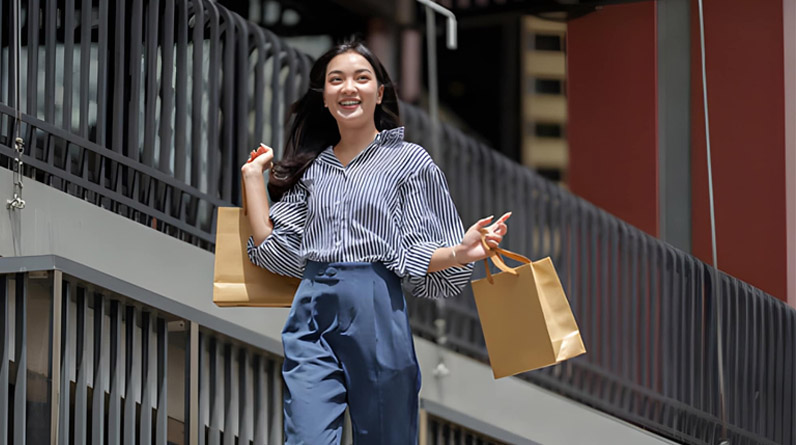
Now that you know what to buy, let’s talk about how to afford it without draining your savings.
The Best Budget Shopping Strategies
1. Start with a realistic budget: Determine your total wardrobe budget and divide it by the number of items you need. If you have $600 and need 20 items, that’s $30 per piece on average—but you might spend $100 on a quality coat and $15 on basic tees to balance out.
2. Shop second-hand first: Thrift stores, consignment shops, and online platforms like Poshmark, ThredUp, and Depop offer quality pieces at 50-90% off retail. Designer items and high-quality basics appear regularly if you search consistently.
3. Master the art of off-season shopping: Buy wool coats in March, summer dresses in October. End-of-season clearances offer 60-80% discounts on items you’ll need next year.
4. Try discount retailers strategically: Stores like T.J.Maxx, Marshalls, and Nordstrom Rack carry name-brand items at reduced prices. Visit regularly, as inventory changes weekly.
5. Buy basics from wholesalers: Plain tees, tank tops, and undershirts cost a fraction of retail prices when purchased from wholesale suppliers or bulk retailers.
6. Use browser extensions for deals: Tools like Honey, Rakuten, and Capital One Shopping automatically apply coupons and cash-back offers when shopping online.
7. Invest in alterations: A $5 hem or $15 waist adjustment transforms a $20 thrifted item into something that looks custom-made. Good fit matters more than brand names.
Quality Indicators to Look For
When shopping budget-friendly options, inspect items for these quality markers:
| Element | Quality Indicator | Red Flag |
|---|---|---|
| Fabric | Natural fibers (cotton, wool, linen, silk) or quality blends | 100% polyester, feels plastic-like |
| Seams | Straight, tight stitching with finished edges | Loose threads, puckering, unfinished edges |
| Buttons | Sewn securely with extra button included | Wobbly, cheap plastic buttons |
| Zippers | Metal zippers or heavy-duty plastic | Flimsy zippers that catch or stick |
| Lining | Fully lined jackets and trousers | No lining or visible glue marks |
The Price-Per-Wear Calculation
Stop thinking about upfront cost alone. Calculate the true value using this formula:
Price Per Wear = Total Cost ÷ Number of Times Worn
A $200 coat worn 100 times over five years costs $2 per wear. A $30 trendy jacket worn twice costs $15 per wear. The expensive coat is the budget-friendly choice.
Step 5: Create a Buying Plan and Stick to It
Impulse shopping is the enemy of a timeless wardrobe. Create a strategic purchasing plan to stay focused.
Use a Wardrobe Spreadsheet
Set up a simple spreadsheet with these columns:
- Item needed
- Priority level (high/medium/low)
- Budget allocated
- Where to shop
- Date purchased
- Actual cost
This keeps you accountable and prevents duplicate purchases. You’ll know exactly what gaps remain and where your money is going.
Implement the 48-Hour Rule
Before buying anything, wait 48 hours. Add the item to your cart or take a photo, then step away. If you’re still thinking about it two days later and it fits your wardrobe plan, purchase it. Most impulse desires fade within this cooling-off period.
One In, One Out Policy
Once your foundation is established, maintain balance by removing one item whenever you add something new. This prevents closet bloat and forces you to evaluate each purchase’s true value.
Step 6: Maximize What You Have
A timeless wardrobe isn’t just about what you own—it’s about how you use it.
The Outfit Formula Method
Create go-to outfit formulas that work for different occasions:
- Casual day: Jeans + fitted tee + sneakers + denim jacket
- Business casual: Trousers + button-up + blazer + ankle boots
- Date night: Slip dress + leather jacket + heeled boots + statement earrings
- Weekend errands: Leggings + oversized tee + cardigan + sneakers
Once you identify 5-7 reliable formulas, getting dressed becomes effortless. You’re simply plugging in different items from each category.
The Power of the Third Piece
Any basic outfit becomes more polished with a third layer: blazer, cardigan, jacket, or scarf. This simple addition elevates your look without requiring more planning.
Step 7: Care for Your Investment
Proper maintenance extends garment lifespan by years, making budget pieces last like luxury items.
Essential Care Practices
- Read care labels and follow them: That “dry clean only” isn’t a suggestion—it’s insurance
- Wash less frequently: Most items (except underwear and workout clothes) can be worn multiple times before washing
- Use cold water: Preserves colors and prevents shrinkage
- Air dry when possible: Heat damages elastic and breaks down fibers
- Invest in quality hangers: Proper support maintains shape and prevents wrinkles
- Store seasonally: Clean and store off-season items properly to prevent damage
- Address stains immediately: The longer a stain sets, the harder it becomes to remove
- Keep a mending kit handy: Fix loose buttons and small tears immediately before they worsen
When to Repair vs. Replace
Generally, repair if the cost is less than 30% of replacement value and the item is a wardrobe staple. Common repairs worth making include:
- Hemming pants or skirts
- Replacing zippers
- Reattaching buttons
- Mending small tears or holes
- Taking in or letting out waistbands
Common Mistakes to Avoid
Even with the best intentions, these pitfalls derail wardrobe-building efforts:
1. Buying Aspirational Sizes
Purchase clothes that fit your body today, not the body you hope to have in six months. Ill-fitting clothes don’t motivate—they demoralize every time you open your closet.
2. Ignoring Your Lifestyle
If you work from home, building a wardrobe full of blazers and dress pants makes no sense. Be honest about how you actually spend your days and dress accordingly.
3. Copying Someone Else’s Style
That Pinterest board full of minimalist Scandinavian fashion might not work if you’re a maximalist who loves color and pattern. Authentic style comes from understanding yourself, not emulating others.
4. Neglecting Undergarments
The right bra, underwear, and shapewear are the invisible foundation that makes everything else look better. Budget for these essentials.
5. Forgetting About Seasonality
Your timeless wardrobe needs seasonal variations. If you live where temperatures swing 60+ degrees between summer and winter, you’ll need distinct warm and cool weather pieces.
The Reality Check: Timeline and Expectations
Let’s be brutally honest: you won’t build the perfect wardrobe overnight, and that’s actually a good thing.
A realistic timeline looks like this:
- Months 1-2: Audit existing wardrobe, define style and colors, create shopping plan
- Months 3-6: Purchase priority essentials (tops, basic bottoms, everyday shoes)
- Months 7-9: Add outerwear and secondary pieces
- Months 10-12: Fill remaining gaps, add dresses and accessories
This gradual approach allows you to:
- Spread costs over time
- Test pieces before committing to more
- Adjust your plan based on what actually works
- Shop seasonally when needed items are available
Remember, building slowly prevents the overwhelm that leads to poor decisions and buyer’s remorse.
Real-World Budget Examples
Here’s how three different budgets might build a foundation wardrobe:
$500 Budget (6-12 months)
- Focus on thrifting and discount retailers
- Buy 2-3 items per month
- Prioritize versatile basics in neutral colors
- Accept that building will take closer to 12 months
- Example allocation: $150 outerwear, $150 shoes, $100 tops, $100 bottoms
$1,500 Budget (6-9 months)
- Mix of secondhand premium brands and new basics
- Buy 4-5 items per month
- Can afford some higher-quality investment pieces
- Example allocation: $400 outerwear, $350 shoes, $350 tops, $250 bottoms, $150 accessories
$3,000+ Budget (6 months)
- Faster acquisition of high-quality pieces
- Mix of designer basics and contemporary brands
- Still follow the same principles—don’t rush
- Example allocation: $800 outerwear, $600 shoes, $600 tops, $500 bottoms, $500 dresses, accessories
Notice that regardless of budget, the process takes months and follows the same strategic principles. More money doesn’t mean you should rush—it means you can invest in higher quality within each category.
Measuring Success: How to Know It’s Working
You’ll know your timeless wardrobe is successful when:
- You can get dressed in under 10 minutes most days
- At least 80% of your closet gets regular wear
- You stop saying “I have nothing to wear”
- Compliments focus on how you look, not what you’re wearing
- You can travel with a carry-on because everything mixes and matches
- You feel confident and comfortable in your daily outfits
- Shopping becomes purposeful rather than recreational
Conclusion: Your Wardrobe, Your Way
Building a timeless wardrobe on any budget isn’t about deprivation or sacrifice. It’s about being strategic with your resources to create something that truly serves you.
The person with 30 perfectly curated pieces they wear constantly has a more functional wardrobe than someone with 200 items they struggle to style. Quality, versatility, and personal alignment matter infinitely more than quantity or price tags.
Start with one category. Master your color palette. Shop with intention. Give yourself time. The goal isn’t perfection—it’s creating a wardrobe that makes you feel confident, comfortable, and authentically yourself every single day.
Your timeless wardrobe journey starts now. Not when you lose 10 pounds, not when you get that promotion, not when your budget magically increases. Now, with exactly what you have today.
Because the best time to build the wardrobe you deserve was six months ago. The second best time is today.