


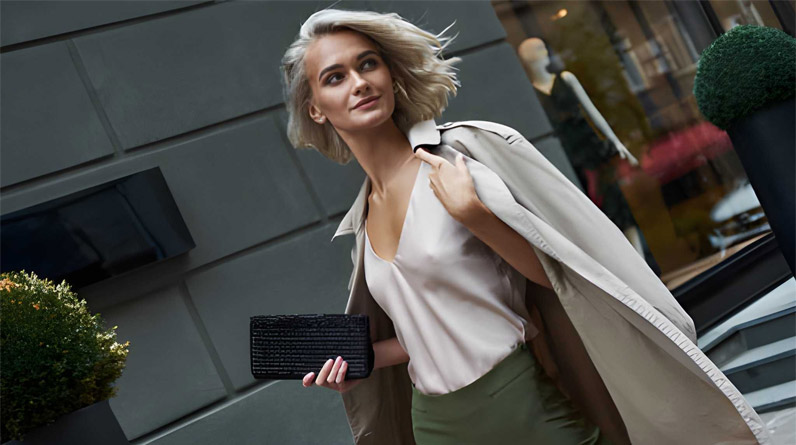
Standing in front of a closet bursting with clothes yet feeling like you have nothing to wear is one of fashion’s greatest paradoxes. You’re not alone in this experience. The journey to discovering your personal style isn’t about accumulating more pieces—it’s about understanding what truly resonates with you and why.
Your personal style is more than just the clothes you wear. It’s a visual language that communicates who you are, what you value, and how you move through the world. Unlike fleeting trends that come and go with each season, your authentic style becomes a reliable foundation that evolves alongside you.
This guide will walk you through a practical, proven process for discovering your personal style—one that goes beyond surface-level advice and helps you build a wardrobe that genuinely excites you every single day.
Understanding What Personal Style Really Means
Before diving into the how-to, let’s clarify what we’re actually talking about when we discuss personal style.
Defining Personal Style
Personal style is how you express yourself through clothing, accessories, and overall appearance. It’s your unique interpretation of fashion that aligns with your personality, lifestyle, and values. Think of it as your visual signature—the consistent thread that runs through your wardrobe choices regardless of what’s trending on social media.
Here’s what personal style is not:
- Following every microtrend that appears on your feed
- Copying someone else’s aesthetic exactly
- Fitting into a single pre-defined category or label
- Wearing expensive brands to prove something
- Staying static and unchanging throughout your life
Why Discovering Your Style Matters
Developing a clear personal style offers benefits that extend far beyond your closet:
- Time savings: Getting dressed becomes quicker when you know what works for you
- Financial efficiency: You stop buying pieces that sit unworn with tags attached
- Confidence boost: Wearing clothes that feel authentically “you” changes how you carry yourself
- Reduced decision fatigue: A cohesive wardrobe means fewer daily choices to make
- Environmental impact: Intentional purchasing leads to less waste
The Biggest Mistakes People Make
Understanding what not to do can be just as valuable as knowing the right steps. Here are the most common pitfalls that keep people from discovering their true style:
Chasing Trends Without Question
The pressure to jump on every trending aesthetic—from “quiet luxury” to “cottagecore” to “clean girl”—creates a cycle of constant consumption and confusion. While there’s nothing wrong with incorporating trends you genuinely love, building your entire wardrobe around what’s currently viral leaves you feeling like you’re wearing a costume rather than your own clothes.
Shopping as Therapy
Impulse purchases made during emotional moments rarely align with your actual style. That neon blazer might seem like the perfect confidence boost in the moment, but if it doesn’t fit into your lifestyle or aesthetic, it becomes another unworn piece taking up closet space.
Ignoring Your Actual Lifestyle
Your style needs to work for the life you actually live, not the life you imagine living. If you work from home but keep buying corporate office attire, or you’re constantly active but gravitate toward delicate fabrics and structured pieces, there’s a disconnect that needs addressing.
Step 1: Conduct an Honest Wardrobe Analysis
Your current closet holds valuable clues about your style preferences—you just need to know how to read them.
The Closet Audit Process
Set aside a few hours for this exercise. You’ll need good lighting, a full-length mirror, and honest self-reflection.
Pull out everything you’ve worn in the past three months. These are your go-to pieces for a reason. Examine them closely:
- What colors appear most frequently?
- What silhouettes do you reach for repeatedly?
- Which fabrics feel best against your skin?
- Are there any patterns that show up again and again?
Identify your “joy pieces”—items that make you feel completely yourself when you wear them. Ask yourself what specifically makes each piece special. Is it the fit? The color? The way it makes you feel? Write these observations down.
Now examine what you never wear. Be brutally honest about why certain pieces remain untouched:
- Uncomfortable or doesn’t fit properly
- Doesn’t match anything else you own
- Too trendy and no longer feels like you
- Purchased for an imagined occasion that never materialized
- Great on the hanger, wrong on your body
Create Your Style Data Table
Organize your findings visually to spot patterns:
| Category | Most Worn | Never Worn | Insights |
|---|---|---|---|
| Colors | Black, navy, white, olive | Bright pink, orange | Prefer neutrals with earthy tones |
| Silhouettes | Straight-leg pants, oversized tops | Bodycon dresses, skinny jeans | Comfort in relaxed, balanced proportions |
| Fabrics | Cotton, linen, denim | Polyester, sequins | Natural fibers, breathable materials |
| Occasions | Casual daily wear | Formal evening pieces | Need practical, versatile items |
Step 2: Align Style with Lifestyle
Your wardrobe should serve the life you’re actually living right now, not a fantasy version of yourself.
Map Your Weekly Activities
Spend a week tracking how you actually spend your time. What percentage of your week involves:
- Working (and what’s the dress code?)
- Casual social activities
- Exercise or active hobbies
- Formal events
- Lounging at home
Your wardrobe proportions should roughly match these percentages. If you work from home 80% of the time, your closet shouldn’t be 80% office wear.
Consider Your Practical Needs
Ask yourself these reality-check questions:
- What’s your climate like year-round?
- Do you need to dress professionally for work?
- How much time do you have for outfit planning each morning?
- Do you have physical activities that require specific clothing?
- What’s your laundry routine? (Delicate hand-wash-only pieces might not be practical)
Step 3: Gather Inspiration Strategically
Now comes the fun part—but approach it with intention rather than getting lost in endless scrolling.
Build a Focused Mood Board
Pinterest remains one of the most effective tools for style discovery, but use it strategically. Create a dedicated board with these rules:
Save first, analyze later. Pin images that make you stop and think “that’s so me!” without overthinking. After you’ve collected 50-100 images, step back and look for patterns:
- Do similar color palettes appear repeatedly?
- What styling details catch your eye (rolled sleeves, layered jewelry, tucked-in shirts)?
- Are you drawn to specific eras or aesthetics?
- Which images did you save for the overall vibe vs. specific pieces?
Distinguish between aspiration and reality. Some images might appeal because they’re beautifully photographed or feature someone you admire. Ask yourself: “Would I actually wear this in my daily life?” If the answer is no, that’s fine—just be honest about the difference between inspiration and implementation.
Look Beyond Fashion Content
Style inspiration doesn’t only come from fashion influencers. Some of the most distinctive personal styles draw from unexpected sources:
- Classic films (Hitchcock heroines, French New Wave, 1970s cinema)
- Art movements (minimalism, impressionism, Art Deco)
- Music subcultures (jazz, punk, indie folk)
- Literature characters
- Historical periods
- Nature and architecture
This broader approach helps you develop a truly unique aesthetic rather than copying what everyone else is wearing.
Step 4: Define Your Style with Words
Language gives structure to abstract concepts. Defining your style with specific words helps guide future decisions.
The Three-Word Method
This technique, popularized by stylist Allison Bornstein, simplifies style definition into three descriptive adjectives. Choose words that feel authentic to you:
Examples of style combinations:
- Effortless, minimalist, refined
- Bold, artistic, eclectic
- Comfortable, classic, polished
- Romantic, vintage, feminine
- Edgy, modern, streamlined
Use these three words as a filter when shopping. Before purchasing, ask: “Does this piece reflect at least two of my three words?” This simple test prevents impulse buys that don’t serve your overall vision.
Write Your Style Statement
Expand your three words into a short paragraph describing your ideal aesthetic. Here’s an example:
“My style is effortless, minimalist, and refined. I gravitate toward neutral tones with occasional pops of olive and rust. I prefer clean lines and quality natural fabrics that feel good against my skin. My outfits are uncomplicated but intentional, with attention paid to fit and subtle details. I want to look put-together without appearing like I tried too hard.”
This becomes your north star when making wardrobe decisions.
Step 5: Experiment Without Commitment
Discovery requires trial and error, but that doesn’t mean expensive mistakes.
The Browse-Don’t-Buy Strategy
Schedule dedicated shopping trips where you try on clothes but don’t purchase anything. Remove the pressure of making decisions and focus purely on learning:
- Try styles you’d normally skip
- Notice how different cuts and fabrics feel on your body
- Take photos in the fitting room for later reference
- Make notes about what works and what doesn’t
This zero-stakes experimentation reveals surprising preferences without the buyer’s remorse.
Leverage Clothing Rental Services
Services like Nuuly, Rent the Runway, or Armoire let you test-drive pieces before committing. This works especially well for:
- Exploring new color palettes
- Testing trends you’re curious about
- Trying premium pieces to understand what quality feels like
- Building a special-occasion wardrobe without the storage
Shop Secondhand First
Thrift stores, consignment shops, and resale apps (ThredUp, Poshmark, Vinted, Depop) offer low-risk ways to experiment. If that vintage blazer or printed midi skirt doesn’t work out, you’re only out a few dollars instead of retail price.
Step 6: Shop with Intention
Once you have clarity on your style, transform how you approach shopping.
Create a Wardrobe Wishlist
Instead of impulse purchasing, maintain a running list of specific items your wardrobe needs. Be detailed:
- Not just “black pants” but “high-waisted black wide-leg trousers in wool blend”
- Not just “summer dress” but “knee-length linen dress in terracotta or sage”
When you see something you want to buy, add it to the list and wait 48 hours. If you’re still thinking about it after two days, it’s probably a genuine desire rather than a fleeting impulse.
The Gap Analysis Approach
Identify actual holes in your wardrobe that prevent you from creating outfits. Ask:
- “I love this skirt but can never find the right top to pair with it—what’s missing?”
- “I have great weekend clothes but struggle with work outfits—what do I need?”
- “I avoid wearing these pants because I don’t have the right shoes—what would complete the look?”
Shop to fill genuine gaps, not to chase novelty.
Quality Over Quantity Framework
Shift from asking “Can I afford this?” to “Will this earn its keep in my wardrobe?” Consider:
| Evaluation Factor | Questions to Ask |
|---|---|
| Versatility | Can I style this at least 3 different ways? |
| Cost per wear | If I wear this 30 times, what’s the real cost? |
| Longevity | Will this still feel like “me” next year? |
| Care requirements | Am I realistically going to hand-wash and air-dry this? |
| Fit | Does this fit perfectly right now, or am I buying for “someday”? |
Related: 10 Wardrobe Essentials Every Woman/Man Should Own: The Ultimate Guide to Timeless Style
Step 7: Develop Your Styling Skills
Having great pieces is only half the equation. Learning to style them effectively brings your personal aesthetic to life.
Study Your Style Icons
Choose 3-5 people whose style genuinely resonates with you. Don’t just admire them—study them:
- What silhouettes do they favor?
- How do they mix proportions (fitted with oversized, structured with flowing)?
- What’s their approach to color and pattern?
- How do they use accessories to elevate basics?
- What’s their signature styling trick (always tucked in, consistently rolled sleeves, layered jewelry)?
Recreate some of their outfits using pieces from your own closet to understand the styling principles at work.
The Visible Wardrobe Technique
If you have space, keep a rolling clothing rack in your room with pieces you want to wear soon. Seeing items displayed makes it easier to visualize new combinations and ensures newer additions don’t get lost in your closet.
Hang complete outfits together when you discover winning combinations. On rushed mornings, you’ll have ready-to-go looks instead of starting from scratch.
Document What Works
Use your phone to photograph outfits you love. Apps like Indyx or even a simple photo album let you:
- Track what you actually wear
- Remember successful combinations
- Identify underutilized pieces
- Spot gaps in your wardrobe
- Build a personal lookbook for inspiration
Step 8: Invest in Proper Fit
The difference between “okay” and “amazing” often comes down to fit, not the garment itself.
Find a Good Tailor
Tailoring isn’t just for formal wear or expensive pieces. Even budget-friendly items transform when they fit your body perfectly. Common alterations that make the biggest impact:
- Hemming pants to the right length
- Taking in or letting out waistbands
- Shortening sleeves
- Adjusting shoulder seams on blazers
- Tapering or widening legs
When you find a piece you love but the fit isn’t quite right, factor tailoring costs into your purchasing decision. A $40 dress plus $20 in alterations that you’ll wear constantly is far better value than a $60 dress that sits unworn.
Learn Your Actual Measurements
Size numbers vary wildly between brands. Knowing your actual measurements—bust, waist, hips, inseam, rise—makes online shopping far more successful and helps you identify which brands consistently fit your body well.
Step 9: Maintain and Evolve Your Style
Personal style isn’t a destination—it’s an ongoing practice that grows with you.
Schedule Regular Closet Check-Ins
Rather than massive seasonal overhauls, do monthly mini-audits:
- Remove items that no longer serve you
- Identify pieces that need repair or cleaning
- Rotate seasonal items
- Reassess whether your current wardrobe still aligns with your lifestyle
Give Yourself Permission to Change
Your style at 25 will differ from your style at 35, 45, or 65—and that’s exactly as it should be. Life changes, bodies change, and preferences evolve. The goal isn’t to lock yourself into one aesthetic forever but to stay authentic to who you are right now.
If you notice your style shifting, don’t fight it. Explore the new direction with the same intentionality you brought to discovering your current style.
Resist the Pressure to Start Over
When you refine your personal style, you might feel tempted to purge everything and rebuild from scratch. Resist this urge. Style evolution works best as a gradual process:
- Add new pieces strategically over time
- Let go of items as they naturally stop serving you
- Keep beloved pieces even if they don’t fit your “new” aesthetic perfectly
- Remember that variety within your style keeps getting dressed interesting
Common Questions About Discovering Personal Style
How long does it take to find your personal style?
There’s no universal timeline. Some people experience a lightning-bolt moment of clarity, while others refine their style gradually over years. Most people find that serious, intentional style exploration takes 3-6 months to yield noticeable results, but the process continues evolving throughout life. The key is consistency and self-awareness rather than speed.
Can you have multiple personal styles?
Absolutely. Many people operate with different style modes for different contexts—work versus weekend, summer versus winter, creative versus conservative. The common thread should be that each mode feels authentically like you, not like you’re playing dress-up or conforming to someone else’s expectations.
What if I can’t afford to build my ideal wardrobe?
Personal style is about curation and intention, not budget size. Focus on quality over quantity by shopping secondhand, learning basic sewing for simple alterations, caring for clothes so they last longer, and building slowly with versatile pieces. A small wardrobe of well-chosen items that you love will always outperform a large wardrobe of mediocre pieces, regardless of price point.
Should I follow style systems or fashion archetypes?
Style systems (romantic, classic, dramatic, etc.) can provide helpful vocabulary and starting points, but they shouldn’t become restrictive boxes. Use them as inspiration and self-reflection tools, not as rigid rules. Your actual style will likely blend elements from multiple archetypes in ways that are uniquely you.
Your Style Journey Starts Now
Discovering your personal style is one of the most rewarding forms of self-expression. It’s not about achieving perfection or impressing others—it’s about the daily joy of wearing clothes that feel like an authentic extension of who you are.
Start with one simple action today. Maybe that’s conducting your closet audit, creating a Pinterest board, or defining your three style words. Small, consistent steps lead to the biggest transformations.
Remember that everyone whose style you admire went through their own discovery process. They made mistakes, wasted money on wrong purchases, and questioned their choices along the way. The difference is they kept going, stayed curious, and remained honest with themselves about what truly felt right.
Your personal style is already inside you, waiting to be uncovered. These tools and strategies simply help you bring it to the surface. Trust the process, enjoy the journey, and give yourself permission to evolve. The wardrobe of your dreams—one that makes you excited to get dressed every single morning—is entirely within reach.