


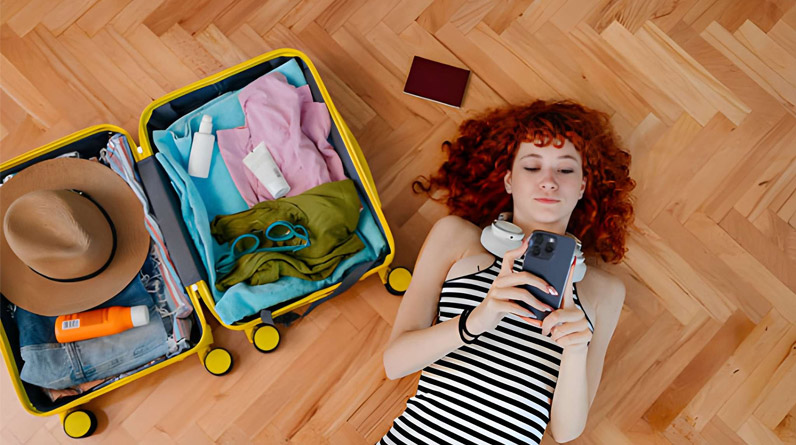
If you’ve ever dragged an overweight suitcase through a crowded airport terminal or paid unexpected baggage fees, you already know the pain of overpacking. According to recent research, 65% of travelers find packing more stressful than the trip itself, and nearly a quarter of what we pack never gets used. The solution isn’t just about fitting everything into a smaller bag—it’s about fundamentally rethinking what you actually need on the road.
Packing light isn’t a restriction; it’s liberation. When you master the art of traveling with less, you gain mobility, save money, reduce stress, and spend more time enjoying your destination instead of managing your belongings. This comprehensive guide will show you exactly how to pack smart and light for any trip, whether you’re heading out for a weekend getaway or a month-long adventure.
Why Packing Light Transforms Your Travel Experience
Before diving into techniques, let’s address why packing light matters beyond just convenience. The benefits cascade into nearly every aspect of your journey.
When you travel with only a carry-on, you skip baggage claim entirely—saving 20-30 minutes at every airport. You eliminate the risk of lost luggage, which airlines mishandle at a rate of approximately 7 bags per 1,000 passengers. You avoid checked bag fees that can add $30-100 per flight. But perhaps most importantly, you gain physical freedom to navigate stairs, cobblestone streets, and public transportation without feeling like a pack mule.
The psychological shift is equally powerful. Packing light forces you to be decisive and intentional. You learn to distinguish between needs and wants. You discover that having fewer choices actually reduces decision fatigue and increases your enjoyment. You become more adaptable and less attached to material comforts.
The Pre-Trip Strategy: Planning Before You Pack
Smart packing begins days before you touch your suitcase. This planning phase separates chronic overpackers from efficient travelers.
Research Your Destination Thoroughly
Spend 30 minutes researching these key factors:
- Weather patterns: Check 10-day forecasts and historical climate data, not just the current forecast
- Cultural dress codes: Some destinations require covered shoulders or long pants for religious sites
- Laundry availability: Hotels, laundromats, or apartment washers change your packing math dramatically
- Activities planned: A beach resort requires different gear than a hiking expedition
- Local shopping options: Can you buy sunscreen, toiletries, or basic clothing there?
Related: Top 10 Travel Destinations for 2026
The Two-List Method
Create two separate lists: “Must-Haves” and “Nice-to-Haves.” Be ruthlessly honest about which category each item belongs in. Your instinct will be to overestimate needs—resist this urge. If you’re questioning whether you’ll use something, it belongs in the “nice-to-have” category, which means it stays home.
After creating your lists, cut the “nice-to-have” list in half. Then cut it in half again. Anything remaining still isn’t going in your bag unless you have extra space after packing your must-haves.
The One-Week Rule
Regardless of trip length, pack for only one week. This guideline works whether you’re traveling for 5 days or 5 months because it assumes you’ll do laundry. Planning to wash clothes halfway through any trip longer than a week eliminates the need to pack multiples of everything.
The Capsule Wardrobe Approach
The secret to efficient packing is building a capsule wardrobe where every piece works with every other piece. This approach maximizes outfit combinations while minimizing items.
The 1-2-3-4-5-6 Formula
Here’s a proven baseline for two weeks of travel:
| Item Category | Quantity | Rationale |
|---|---|---|
| Hats | 1 | Sun protection or warmth, depending on climate |
| Shoes | 2 pairs | One worn, one packed; must serve multiple purposes |
| Bottoms | 3 | Mix of pants, shorts, or skirts that pair with all tops |
| Tops | 4-5 | Includes shirts, blouses, or lightweight sweaters |
| Socks | 5 pairs | Quick-drying varieties mean less frequent washing |
| Underwear | 6 | Enough for nearly a week between laundry sessions |
This formula gets you through 6-7 days before needing laundry. Adjust based on your specific needs, but use this as your starting framework.
Choose a Cohesive Color Palette
Stick to 2-3 neutral base colors (black, navy, gray, tan, olive) and add one or two accent colors. When everything coordinates, three bottoms and four tops create 12 different outfits. Add layers and accessories, and you’ve multiplied your options exponentially without adding bulk.
Darker colors hide stains better and look more polished for evening activities. Save bright colors for small accessories like scarves or a single statement piece.
The Multi-Purpose Item Test
Before packing any item, ask: “Can this serve at least two purposes?” Some stellar examples:
- Sarong: Beach cover-up, picnic blanket, scarf, impromptu privacy screen, towel
- Buff or bandana: Neck warmer, headband, face mask, sleep mask, napkin
- Zip-off convertible pants: Long pants for temples or evening, shorts for hot days
- Lightweight hoodie: Warmth layer, travel pillow, sun protection
- Running shorts: Workout gear, swimwear, sleepwear, casual wear
Single-purpose items need to justify their space. A fancy cocktail dress for one dinner reservation? Leave it home and wear your nicest pants with a dressy top instead.
Fabric Choices That Make or Break Your Pack
Fabric selection is where amateur packers and seasoned travelers diverge. The right materials weigh less, pack smaller, dry faster, and require less washing.
Performance Fabrics Worth the Investment
Merino wool is the gold standard for travelers. Despite being wool, it’s breathable in heat and warm in cold. The real magic is its anti-odor properties—you can wear merino wool shirts 3-5 times between washes without smell. Yes, it’s expensive, but one merino wool shirt replaces three cotton shirts in your pack.
Synthetic blends (polyester, nylon) dry in 2-4 hours compared to cotton’s 8-12 hours. They’re wrinkle-resistant and lightweight. Modern technical fabrics don’t feel plasticky—they’re soft, breathable, and durable.
Hemp is naturally antibacterial, gets softer with washing, and requires minimal care. It’s also environmentally sustainable.
Alpaca is lighter than traditional wool, thermoregulating, and naturally odor-resistant. It wicks moisture excellently, keeping clothes fresher longer.
What to Avoid
Leave cotton jeans at home unless they’re specifically designed for travel. Regular denim is heavy, bulky, takes forever to dry, and offers limited versatility. If you must bring jeans, look for stretch denim with water-repellent treatment.
Skip heavy cotton sweatshirts and bulky sweaters. A lightweight fleece or synthetic insulated jacket provides better warmth-to-weight ratio and packs smaller.
The Art of Packing: Techniques and Organization
How you pack matters as much as what you pack. Proper technique can increase your bag capacity by 30-40%.
Rolling vs. Folding vs. Bundling
Rolling wins for most items. It minimizes wrinkles, maximizes space, and makes items visible at a glance. Roll each item tightly, starting from the bottom up, squeezing out air as you go.
The bundle-wrap method works for dress clothes. Layer garments flat, then wrap them around a central core (like your shoes), creating one bundle that minimizes creases.
Packing Cubes Are Non-Negotiable
Compression packing cubes organize your bag into categories and compress clothing to save 20-30% space. Use this system:
- Large cube: Bottoms (pants, shorts, skirts)
- Medium cube: Tops and shirts
- Small cube: Underwear and socks
- Extra small cube: Dirty laundry separation
Clear-topped cubes let you see contents without opening. This saves time and keeps your bag organized even after rummaging through it multiple times.
Maximize Every Inch of Space
Don’t leave hollow spaces. Stuff socks, underwear, and charging cables inside your shoes. Roll belts and place them around the perimeter of your bag. Tuck small items into gaps between larger ones. Your bag should have the density of a well-packed snowball—no wasted space.
Footwear: The Two-Pair Rule
Shoes are the bulkiest, heaviest items in your luggage. They’re also the hardest to replace if you make the wrong choice. This is where careful selection pays massive dividends.
The Strategy: Wear One, Pack One
Wear your bulkiest, heaviest pair during travel. Pack one additional pair that serves multiple purposes. That’s it. Two pairs maximum for most trips.
Choosing Your Two Pairs
For active/adventure travel:
- Wear: Lightweight hiking shoes or trail runners (comfortable for walking, capable for hiking)
- Pack: Casual sandals or minimalist sneakers
For urban/cultural travel:
- Wear: Comfortable walking sneakers in neutral colors
- Pack: Dressier flats or loafers that work for nicer restaurants
For beach/resort travel:
- Wear: Casual sneakers
- Pack: Waterproof sandals that work for beach, pool, and walking
Your shoes must be broken in before your trip. New shoes mean blisters, which can ruin your first few travel days. Wear your travel shoes for at least a week at home before departing.
Toiletries Without the Bulk
The toiletry bag is where many packers sabotage their own efforts, lugging full-size bottles “just in case.” Smart travelers follow the TSA 3-1-1 rule even for checked bags because it forces minimalism.
The TSA 3-1-1 Rule Refresher
For carry-on bags:
- 3.4 ounces: Maximum container size for liquids, gels, creams
- 1 quart: All containers must fit in one quart-sized clear zip-top bag
- 1 bag: One bag per passenger
Revolutionary Alternatives to Liquids
The travel toiletry game has evolved beyond tiny bottles:
- Bar products: Shampoo bars, conditioner bars, soap bars, and even lotion bars eliminate TSA liquid restrictions entirely. They’re compact, last longer, and weigh almost nothing.
- Powdered products: Toothpaste tablets, powder sunscreen that you brush on, powdered face wash
- Multi-purpose items: Dr. Bronner’s castile soap works for body, hair, laundry, and dishes. A moisturizer with SPF replaces both products.
- Concentrated formats: Waterless concentrates and tins that reconstitute with water
What You Can Skip or Buy There
Most destinations sell basic toiletries. You don’t need to pack:
- Full-size anything
- Backup items “just in case”
- Products you rarely use at home
- Hotel-provided items (ask ahead about shampoo, lotion, razors)
Tech and Electronics Minimalism
Technology can either streamline your travel or become a tangled mess of cords and dead weight. Be intentional about every device.
The Essential Tech Kit
For most travelers, this covers everything:
- Smartphone (replaces camera, maps, guidebooks, translator, entertainment)
- One charging cable per device (no backups needed)
- Multi-port USB charging brick (one charger for all devices)
- Portable battery pack (10,000mAh capacity covers emergencies)
- Universal travel adapter with USB ports
- Earbuds or headphones
Do You Really Need a Laptop?
Unless you’re working remotely or have specific needs, your smartphone and tablet probably handle everything you need. A laptop adds 2-5 pounds and takes up significant space. If you must bring one, choose the smallest, lightest model you own.
Cable Management
Tangled cords are the bane of organized packing. Use a small tech pouch or organizer with elastic loops to keep everything separated. Label cables with small tags if you’re traveling with multiple devices. Better yet, standardize on USB-C devices to minimize different cable types.
Advanced Packing Hacks From Seasoned Travelers
Once you’ve mastered the basics, these pro-level strategies take your packing efficiency to the next level.
The Towel Roll Water-Extraction Method
When you hand-wash clothes, wringing them can stretch and damage fabric. Instead, lay the wet garment flat on a towel, roll the towel up tightly with the clothing inside, and press down to squeeze out excess water. Your clothes will be 70% dry, cutting drying time dramatically.
Wear Your Bulkiest Items During Travel
That puffy jacket and hiking boots don’t need to be in your bag during the flight. Wear them onto the plane, even if you look slightly ridiculous in a 70-degree airport. Once you’re in the air, you can take them off. This single trick can save 30% of your luggage space.
The Carabiner Overflow Solution
Clip 2-3 small carabiners to your bag’s exterior loops. In a pinch, these hold overflow items like a water bottle, jacket, or souvenir that doesn’t fit inside. They’re also useful for securing bags together or hanging items to dry in your accommodation.
The Empty Bag Principle
Pack a lightweight, foldable tote bag or dry bag inside your main luggage. It weighs a few ounces but provides critical flexibility for day trips, grocery shopping, or carrying souvenirs home. Some travelers pack an empty pillowcase for this purpose—stuff it with purchases for the return flight.
Strategic Laundry Planning
Don’t wait until everything is dirty. Do small loads every 3-4 days. Wash items while you shower to save time. Sink-washing works for underwear, socks, and light shirts—you don’t need a washing machine for everything. Quick-dry fabrics hung overnight will be ready by morning.
Choosing the Right Luggage
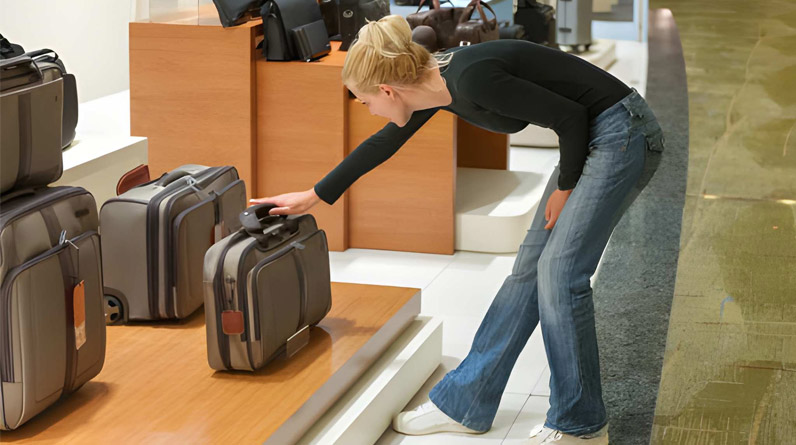
Your bag itself is a tool. The wrong luggage sabotages even the best packing strategy.
Carry-On vs. Checked: Making the Choice
Aim for carry-on whenever possible. Benefits include:
- No baggage fees (saves $60-100 roundtrip)
- No waiting at baggage claim (saves 20-30 minutes per flight)
- Zero risk of lost luggage
- Maximum mobility at your destination
Check airline-specific carry-on size limits before purchasing luggage. International and budget carriers often have stricter restrictions than U.S. domestic flights.
Backpack vs. Rolling Suitcase vs. Duffel
Your travel style determines your ideal bag type:
Travel backpack (40-45L): Best for multi-destination trips, hostel-hopping, and locations with cobblestones or stairs. Look for hip belts to distribute weight and laptop compartments.
Rolling carry-on: Ideal for business travel, hotel-based trips, and travelers who won’t be walking long distances with luggage. Choose four-wheel spinners over two-wheel rollers for maneuverability.
Duffel bag: Works well for adventure trips where tour companies transport gear, or for people who prefer soft-sided bags. They’re not great for organization but excel at flexibility.
Essential Luggage Features
Prioritize these characteristics:
- Lightweight construction (the bag itself shouldn’t weigh more than 6-8 pounds empty)
- Durable water-resistant material
- Multiple compartments for organization
- Compression straps to cinch down contents
- Lockable zippers for security
The Mindset Shift: From “What If” to “I’ll Figure It Out”
The final frontier in packing light isn’t physical—it’s psychological. Overpackers are driven by anxiety: “What if I need this? What if I don’t have that?” Light packers embrace a different philosophy.
You Can Buy Almost Anything at Your Destination
Unless you’re trekking through remote wilderness, you’ll have access to stores. Forgot sunscreen? Buy it there. Unexpected cold snap? Pick up a sweater. You’re not traveling to Mars—basic necessities exist everywhere humans live.
You’ll Wear Less Than You Think
Nobody notices if you wear the same pants three days in a row. Your Instagram followers won’t audit your wardrobe. Locals certainly don’t care. This self-imposed pressure to have outfit variety is entirely in your head.
Discomfort Is Temporary, Freedom Is Constant
Yes, limiting yourself to two pairs of shoes might mean occasional compromise. That slight discomfort is vastly outweighed by the freedom of maneuvering easily through train stations, fitting in small European elevator, and never paying baggage fees.
Practice Makes Perfect
Your first attempt at packing light might feel restrictive. By your third trip, it’ll feel liberating. By your tenth, you’ll wonder how you ever traveled any other way. Start with a weekend trip to build confidence before tackling longer journeys.
Final Checklist: Before You Zip That Bag
Run through this quick verification before departure:
- Lay everything out and remove one more item (there’s always something)
- Weigh your packed bag—it should feel comfortable to carry for 15 minutes
- Verify all liquids comply with TSA rules if carrying on
- Confirm passport, tickets, and essential medications are in your personal item, not checked bag
- Double-check weather forecast one last time and adjust if needed
- Leave room for 2-3 souvenirs or purchases
- Pack your bag 2-3 days early, then edit it down after sleeping on your choices
Conclusion: Liberation Through Limitation
Packing light is counterintuitive in our consumer culture that says more is better. But seasoned travelers know the truth: less baggage equals more freedom, more flexibility, and more focus on what actually matters—the experiences, connections, and memories you create.
Start with the strategies that resonate most with you. Maybe it’s adopting the 1-2-3-4-5-6 rule, or switching to merino wool, or investing in quality packing cubes. You don’t need to implement everything at once. Each small change compounds over time.
The goal isn’t deprivation—it’s optimization. It’s carrying exactly what you need, nothing more, nothing less. When you nail this balance, you’ll discover that the lightest suitcase carries the greatest sense of freedom. Safe travels.