


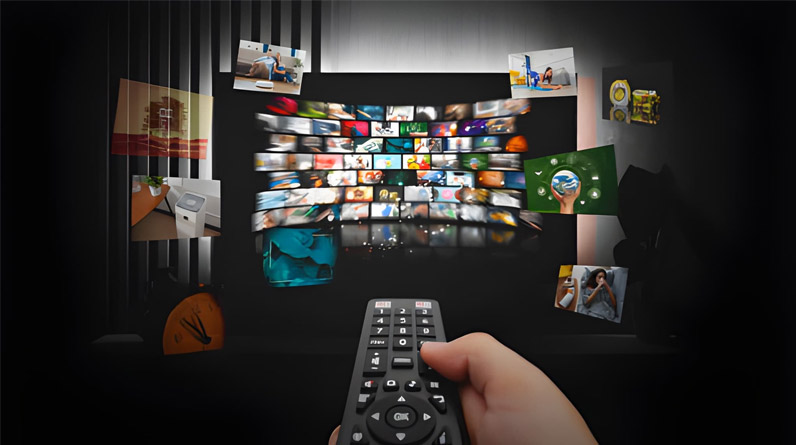
Remember when missing your favorite TV show meant waiting an entire week for a rerun? Or when watching a movie required either a trip to the theater or a visit to the video rental store? Those days feel like ancient history now. Streaming platforms haven’t just changed how we access entertainment—they’ve fundamentally transformed our relationship with content itself.
Today, over 85% of American households subscribe to at least one streaming service, a dramatic leap from just 20% in 2015. With the global video streaming market projected to reach $416 billion by 2030, we’re witnessing more than a trend—we’re living through a complete reimagining of how stories are told, distributed, and consumed.
This transformation goes far deeper than convenience. It’s reshaping storytelling, demolishing industry gatekeepers, and creating a new cultural landscape where entertainment is no longer a scheduled event but a constant, personalized companion.
The Evolution: From Scheduled TV to On-Demand Freedom
The traditional television model operated on a simple principle: networks controlled what viewers watched and when they watched it. Families gathered around the TV at specific times, appointment viewing was the norm, and missing an episode meant genuine consequences for your understanding of the storyline.
Streaming platforms dismantled this entire framework. Netflix, Hulu, Disney+, Amazon Prime Video, and others offered something revolutionary—total control. No longer would viewers organize their lives around TV schedules; instead, the schedule would bend to fit their lives.
This shift represented more than technological advancement. It was a fundamental power transfer from content distributors to content consumers. For the first time in entertainment history, audiences held the remote in every sense of the word.
How Streaming Platforms Transformed Viewing Habits
The Binge-Watching Revolution
Perhaps no single phenomenon defines the streaming era more than binge-watching. When platforms began releasing entire seasons at once rather than weekly episodes, they didn’t just change distribution—they altered the very fabric of how we engage with narratives.
This shift brought profound changes:
- Storytelling techniques evolved: Writers now craft narratives specifically designed for marathon viewing, with cliffhangers strategically placed to keep viewers clicking “next episode” deep into the night.
- Social dynamics changed: Water cooler conversations moved online, with fans dissecting entire seasons within days of release rather than building anticipation over months.
- Emotional connections deepened: Spending hours with characters in a single sitting creates intimacy that weekly viewing couldn’t match—though it may also reduce the sustained engagement that made classic TV so memorable.
- Instant gratification became the norm: The patience required for traditional serialized storytelling has been replaced by an expectation of immediate narrative payoff.
Shows like “Stranger Things” and “The Mandalorian” exemplify this new storytelling approach, where each episode functions both as a standalone experience and as part of a larger narrative designed for consumption in large chunks.
Multi-Device Accessibility: Entertainment Everywhere
Streaming liberated content from the living room television. Whether you’re on a morning commute, waiting at a doctor’s office, or traveling internationally, your entire entertainment library travels with you. This mobility has transformed dead time into potential viewing time.
The implications extend beyond mere convenience:
- Content creators now consider multiple screen sizes during production
- Viewing has become a more solitary, personalized experience rather than a communal family activity
- The definition of “prime time” has become meaningless when every time is prime time
- International audiences access content simultaneously with domestic releases, creating truly global fanbases
Personalization Through AI: Your Custom Entertainment Channel
Behind every streaming interface lies sophisticated artificial intelligence analyzing your viewing patterns, pause points, rewatch habits, and even the time of day you prefer certain genres. These algorithms don’t just recommend content—they shape the entire browsing experience.
This personalization creates several interesting dynamics:
| Benefit | Challenge |
|---|---|
| Discovering content aligned with your tastes | Algorithmic echo chambers limiting exposure to diverse content |
| Reducing decision fatigue with curated suggestions | Overwhelming choice leading to “paralysis by analysis” |
| Platforms learning and improving recommendations over time | Sharing accounts dilutes personalization accuracy |
| Niche interests finding relevant content easily | Mainstream content dominating recommendations despite algorithm |
The result? Each viewer essentially has their own customized network, a stark contrast to the one-size-fits-all broadcasting model that dominated for decades.
Breaking Down Traditional Barriers in Storytelling
Democratization of Content Creation
Before streaming, getting your film or show to audiences required navigating an obstacle course of studio executives, network approvals, theatrical releases, and distribution deals. Streaming platforms demolished many of these barriers, creating pathways for voices previously shut out of mainstream entertainment.
Independent filmmakers no longer need massive studio backing to reach global audiences. A compelling story can find its viewers regardless of budget or pedigree. This democratization has produced some of the most acclaimed content of recent years:
- “Roma” (2018): Alfonso Cuarón’s black-and-white Spanish-language film about a domestic worker in 1970s Mexico won three Academy Awards via Netflix, proving personal, non-English stories could captivate global audiences.
- “Manchester by the Sea”: Amazon Studios’ acquisition and distribution demonstrated streaming platforms’ willingness to champion prestige cinema.
- “Minari”: This intimate Korean-American family story reached audiences who might never have encountered it through traditional theatrical distribution.
The impact extends beyond individual success stories. Emerging filmmakers now have viable platforms for debut features, changing career trajectories and expanding the diversity of voices in entertainment.
Global Stories, Global Audiences
Streaming platforms erased geographical boundaries in storytelling. A Spanish heist drama, a German science fiction series, or a Colombian crime saga can become a worldwide phenomenon overnight. This global reach has produced remarkable cultural moments:
- “Squid Game” (South Korea): Became Netflix’s most-watched series ever, demonstrating that compelling storytelling transcends language barriers.
- “La Casa de Papel/Money Heist” (Spain): Originally a domestic production, it found international fame through Netflix, spawning a global fanbase.
- “Dark” (Germany): This complex time-travel thriller proved that subtitled content could build devoted followings in English-speaking markets.
This globalization benefits both creators and audiences. Filmmakers access markets they could never reach through traditional distribution, while viewers explore storytelling traditions and perspectives from cultures worldwide. We’ve become, in a very real sense, citizens of a global story-sharing ecosystem.
Niche Content Finding Its Home
Traditional networks operated on a simple equation: content needed broad appeal to justify airtime. Shows targeting specific communities, unconventional narratives, or experimental formats struggled to find space in prime-time lineups.
Streaming economics changed this calculus. With millions of subscribers and minimal marginal distribution costs, platforms can profitably serve niche audiences that traditional broadcasters would ignore. This has created space for:
- LGBTQ+ stories told with authenticity and depth (like “Sex Education”)
- Shows exploring underrepresented communities and experiences
- Experimental formats that break conventional storytelling rules
- Deep-dive documentaries on obscure topics
- Genre content that traditional networks considered too risky
Even smaller platforms like MUBI, which focuses exclusively on curated independent and international cinema, have achieved significant brand recognition (24% awareness in the UK market), proving that specialized content can build sustainable audiences.
The Business Side: How Streaming Changed the Industry
The Economics of Streaming
The streaming business model fundamentally differs from traditional media economics. Instead of relying on advertising revenue tied to viewership numbers, streaming platforms operate on subscription models with some adopting hybrid approaches:
- Subscription-based (SVOD): Netflix pioneered this ad-free model, betting that viewers would pay premium prices for uninterrupted content.
- Ad-supported tiers (AVOD): Services like Hulu and newer tiers from Netflix and Disney+ offer lower-cost options with advertising.
- Transactional (TVOD): Platforms charge per rental or purchase for premium content.
- Hybrid models: Many services now offer multiple tiers, letting consumers choose their preferred experience.
This shift has profound implications. Content success is no longer measured purely by viewership but by subscriber retention, engagement, and long-term value. A show might have modest viewership but justify its existence by keeping subscribers from canceling.
Data-Driven Decision Making
Perhaps the most significant business advantage streaming platforms possess is data—granular, real-time information about viewing habits that traditional broadcasters could only dream of obtaining.
Platforms know:
- When viewers pause, rewind, or abandon content
- Which shows lead to subscription signups or cancellations
- How different demographics engage with content
- Which narrative elements resonate most strongly
- Optimal release strategies for different content types
This intelligence shapes everything from renewal decisions to marketing strategies to production investments. It’s also why platforms can confidently invest hundreds of millions in original programming—they’re making informed bets based on comprehensive behavioral data.
The Film and TV Convergence
Streaming has blurred the once-rigid boundary between film and television. Prestige actors who previously avoided television now star in limited series. Acclaimed directors experiment with episodic formats. Production values rival theatrical releases.
This convergence manifests in several ways:
- Cinematic television: Series like “The Mandalorian” and “Stranger Things” feature film-level budgets, effects, and production design.
- Limited series format: This structure attracts film talent (Kate Winslet, Colin Firth) by offering complete stories without multi-year commitments.
- Documentary renaissance: Streaming has elevated documentary filmmaking, from true crime (“Making a Murderer”) to celebrity profiles, to nature programming.
- Theatrical-streaming hybrids: Some films receive limited theatrical runs before streaming release, attempting to preserve some theatrical magic while maximizing accessibility.
The distinction between “television creator” and “filmmaker” increasingly feels arbitrary. Talent flows freely between formats, and audiences judge content on quality rather than distribution method.
Challenges in the Streaming Era
Despite its revolutionary impact, streaming faces significant challenges that affect both consumers and the industry:
Subscription Fatigue: With dozens of competing platforms, many offering exclusive content, consumers face difficult choices about which services to maintain. The promise of affordability compared to cable has diminished as costs accumulate across multiple subscriptions.
Content Fragmentation: The “everything in one place” convenience of early Netflix has given way to a fractured landscape. Finding specific content often requires multiple subscriptions or accepting its unavailability.
Licensing Complications: Shows and films frequently migrate between platforms or disappear entirely when licensing agreements expire, frustrating viewers who lose access to favorites.
Production Cost Pressures: Competition for top talent and subscriber attention has driven production budgets to unprecedented levels, creating sustainability questions for some platforms.
Content Overload: Paradoxically, having vast libraries can overwhelm viewers, leading to decision paralysis where browsing consumes more time than watching.
The Theater Experience Debate: While streaming offers unmatched convenience, it cannot replicate the communal magic of theatrical viewing—the collective gasp at a plot twist, shared laughter, or the grandeur of massive screens and immersive sound systems.
What This Means for the Future
As streaming continues evolving, several trends point toward where entertainment is heading:
Interactive and Participatory Storytelling: Netflix’s “Black Mirror: Bandersnatch” demonstrated interactive narrative possibilities. Expect more experimentation with viewer agency in story outcomes.
Virtual Reality Integration: As VR technology matures, immersive storytelling experiences may become mainstream, offering new dimensions beyond traditional screen viewing.
AI-Assisted Production: Artificial intelligence will increasingly influence not just recommendations but content creation itself, from scriptwriting assistance to visual effects generation.
Hyper-Personalization: Recommendations will become even more sophisticated, potentially offering personalized cuts or versions of content tailored to individual preferences.
Global Production Expansion: Platforms will continue investing in local content across markets, recognizing that diverse stories have universal appeal.
Business Model Evolution: Expect continued experimentation with pricing tiers, bundling strategies, and hybrid approaches as platforms seek sustainable economics.
The theater isn’t dead, but it’s transforming. Premium theatrical experiences may coexist with streaming, each serving different needs—communal event viewing versus intimate personal consumption.
Related: Entertainment in 2025 Is More Interactive Than Ever
The Bigger Picture: A Cultural Transformation
Streaming platforms have done more than change distribution methods—they’ve altered our cultural relationship with storytelling itself. Movies and shows have transformed from special occasions into daily companions, from shared communal experiences into personalized journeys.
We’ve gained unprecedented choice, access, and control. We can explore a French art film one evening, a Korean thriller the next, and an American documentary over breakfast. Geographic and economic barriers to storytelling have crumbled, making us citizens of a truly global entertainment landscape.
Yet this transformation comes with trade-offs. We’ve exchanged communal viewing experiences for personal control. We’ve traded anticipation and sustained engagement for immediate gratification. We’ve moved from shared cultural moments to fragmented, algorithm-driven individual experiences.
The question isn’t whether streaming is “good” or “bad”—it simply is, an irreversible shift in how we engage with content. The magic of movies hasn’t disappeared; it’s evolved, spreading from darkened theaters into our everyday lives, accessible anytime we need it.
What remains constant is our fundamental human need for stories—to see ourselves reflected, to explore other perspectives, to be entertained, challenged, and moved. Streaming platforms have simply created new pathways for these timeless connections, democratizing access while reshaping how stories are created, distributed, and experienced.
As technology continues advancing and the industry keeps evolving, one truth endures: stories don’t live in theaters or on platforms—they live with us, shaping how we understand ourselves and the world around us. Streaming has ensured that this ancient human tradition continues adapting, thriving, and reaching more people than ever before.