



Staring at a closet bursting with clothes yet feeling like you have nothing to wear? You’re not alone. The average person wears only 20% of their wardrobe regularly, while the rest collects dust. A capsule wardrobe flips this frustration on its head by helping you build a curated collection of versatile pieces that work harder for you.
This comprehensive guide walks you through everything you need to create a capsule wardrobe that reflects your personal style while simplifying your daily routine. Whether you’re juggling work meetings and weekend errands or simply craving a more intentional approach to getting dressed, these capsule wardrobe ideas will transform how you think about everyday style.
What Is a Capsule Wardrobe and Why Does It Matter?
A capsule wardrobe is a thoughtfully curated collection of essential clothing items that mix and match effortlessly to create numerous outfits. The concept originated in the 1970s when London boutique owner Susie Faux introduced the idea of building a wardrobe around timeless, interchangeable pieces. The approach gained mainstream attention in 1985 when designer Donna Karan launched her iconic “Seven Easy Pieces” collection featuring a bodysuit, skirt, tailored jacket, dress, leather piece, white shirt, and cashmere sweater.
Today, capsule wardrobes have experienced a renaissance driven by sustainability concerns and the desire for simpler, more intentional living. Rather than chasing every trend, capsule wardrobes focus on quality over quantity, making getting dressed both easier and more enjoyable.
The Real Benefits Beyond Just Having Fewer Clothes
Building a capsule wardrobe delivers tangible improvements to your daily life:
- Less Decision Fatigue: Fewer options mean faster morning routines. When everything in your closet works together, you eliminate the paralysis that comes from too many choices.
- Significant Money Savings: Shopping becomes more intentional. You’ll stop impulse buying pieces that don’t fit your existing wardrobe and invest in quality items that last.
- Environmental Impact: The fashion industry is responsible for 10% of global carbon emissions. Buying fewer, better-quality clothes reduces your environmental footprint.
- More Time for What Matters: The hours spent shopping, organizing, and deciding what to wear can be redirected toward relationships, hobbies, and personal goals.
- Higher Quality Investment: When you buy less frequently, you can afford better-constructed garments that hold their shape, drape beautifully, and last for years.
Essential Core Pieces: Building Your Foundation
Every successful capsule wardrobe starts with versatile staples that form the backbone of countless outfits. While your specific pieces will reflect your lifestyle and personal style, these categories provide a solid foundation.
| Category | Essential Items | Quantity Range |
|---|---|---|
| Tops | Basic tees, tanks, button-downs, blouses, quality sweaters, cardigans | 8-11 pieces |
| Bottoms | Well-fitting jeans (2-3 washes), tailored trousers, versatile skirts, leggings | 5-8 pieces |
| Outerwear | Denim or leather jacket, structured blazer, classic trench or coat | 2-3 pieces |
| Dresses | Simple, versatile dresses that dress up or down | 1-2 pieces |
| Shoes | Sneakers, flats, boots, dress heels | 3-5 pairs |
| Accessories | Belts, bags, jewelry (not typically counted in capsule numbers) | As needed |
A typical capsule wardrobe ranges from 28 to 42 pieces, though there’s no magic number. Some minimalists style thrive with just 20 pieces, while others need 50 to accommodate varied lifestyles. The goal isn’t hitting a specific count—it’s creating a collection where everything works together seamlessly.
Color Palette: The Secret to Maximum Versatility
Your color choices can make or break your capsule wardrobe’s mix-and-match potential. Start with a neutral foundation that complements your skin tone—black, navy, gray, camel, taupe, cream, or white. These neutrals should comprise roughly 70-80% of your capsule.
Then add one or two accent colors that you genuinely love and that work with your complexion. These pops of color add personality and interest while still playing nicely with your neutral pieces. For example, if your neutrals are black, white, and camel, you might add burgundy and forest green as your signature accents.
The 3-3-3 Rule: Your Quick-Start Formula
If you’re new to capsule wardrobes, the 3-3-3 rule offers a brilliantly simple starting point. Here’s how it works:
Choose 3 tops + 3 bottoms + 3 pairs of shoes
These nine pieces can create up to 27 different outfit combinations. Let’s see this in action:
Sample 3-3-3 Capsule
Tops:
- White basic tee
- Navy sweater
- Chambray button-down
Bottoms:
- Dark wash jeans
- Black tailored trousers
- Camel midi skirt
Shoes:
- White sneakers
- Black ankle boots
- Nude flats
From these pieces alone, you can create:
- Casual Weekend: White tee + dark jeans + white sneakers
- Office Ready: Chambray shirt + black trousers + nude flats
- Date Night: Navy sweater + camel skirt + black ankle boots
- Relaxed Smart-Casual: White tee + black trousers + white sneakers
- Polished Weekend: Chambray shirt + dark jeans + nude flats
The beauty of this system is its scalability. Once you master a 3-3-3 capsule, you can expand to 5-5-5 or customize based on your needs, dramatically increasing your outfit possibilities.
How to Build Your First Capsule Wardrobe: A Step-by-Step Process
Creating a capsule wardrobe isn’t about starting from scratch and buying everything new. Most people already own many pieces they need—they’re just buried among items they never wear.
Step 1: Audit Your Current Closet
Begin by pulling out the clothes you genuinely love and wear regularly. These favorites reveal patterns about your preferred colors, fabrics, silhouettes, and overall style. Seeing them together, separate from the rest of your wardrobe, helps you define what you’re naturally drawn to.
Next, sort everything else by category: jeans, pants, skirts, tees, tops, sweaters, dresses, and outerwear. This organization makes it easier to see what you have and identify duplicates or gaps.
Remove anything that’s:
- Out of season (store elsewhere for now)
- Rarely or never worn
- Nearly identical to something you already selected
- Unflattering to your coloring or body type
- Stained, damaged, or worn beyond repair
Step 2: Select Your Capsule Pieces
Using the favorites you pulled in Step 1 as your starting point, begin building out each category. If you love one pair of black jeans, look for one or two more jeans in different washes that offer similar fit and comfort.
As you select pieces, ask yourself three critical questions:
- Is it timeless? Will this piece still look current in three years, or is it chasing a fleeting trend?
- Is it functional? Does it suit your actual lifestyle—not an imaginary version of your life?
- Is it versatile? Can you style it at least five different ways with other items you’re keeping?
If a piece can’t answer yes to all three questions, it probably doesn’t deserve a spot in your capsule.
Step 3: Create Pre-Planned Outfits
This step separates successful capsule wardrobes from closets that still cause morning stress. Plan out 7-10 complete outfits using your selected pieces. This exercise accomplishes several important goals:
- Builds confidence in your smaller wardrobe
- Identifies weak links that only work one or two ways
- Reveals gaps you need to fill
- Provides ready-made solutions for busy mornings
Take photos of your favorite combinations with your phone and create a dedicated folder for quick reference when you’re rushing to get dressed.
Advanced Styling Strategies for Maximum Impact
Once you’ve built your basic capsule, these styling techniques help you create more interesting, polished looks from the same pieces.
Master the Art of Layering
Layering is the fastest way to elevate basic pieces and multiply outfit options. A simple white tee becomes office-appropriate when you add a structured blazer. A basic blouse gains edge under a leather jacket. Strategic layering creates visual interest and allows you to adapt to different temperatures and dress codes.
Effective layering combinations:
- Tee + cardigan + denim jacket
- Button-down + sweater (leave collar visible)
- Tank + blazer + scarf
- Dress + belt + jacket
The Rule of Thirds: Creating Visual Balance
Dividing your outfit into thirds creates more balanced, flattering proportions. The easiest way to achieve this is pairing high-waisted bottoms with a tucked-in top, which creates a visual break at roughly the one-third point of your body. Alternatively, layer a longer jacket, cardigan, or button-down over a dress or skirt, aiming for the hem to hit around the two-thirds mark.
This simple proportion trick makes outfits look more intentional and polished while elongating your silhouette.
Balance Proportions for Outfit Harmony
Mixing different proportions creates visual interest and prevents outfits from looking frumpy or shapeless. If you’re wearing wide-leg trousers, balance them with a fitted top and sleek shoes. Conversely, if you’re wearing skinny jeans, you have more flexibility to add volume on top with an oversized sweater or flowing blouse.
The key is avoiding matching proportions everywhere—oversized top with oversized bottom rarely flatters, while slim with slim can feel too restrictive.
Bridging the Work-Weekend Gap: One Wardrobe, Multiple Lives
Many people assume they need entirely separate capsules for work and personal life. The truth? You’re the same person whether you’re in a boardroom or at brunch. Your wardrobe should reflect your personal style across all occasions—it just needs strategic adjustments.
Seven Ways to Transition Pieces from Casual to Professional
1. Swap the Bottoms
This simple trick works remarkably well. Replace jeans with tailored trousers, ankle pants, or a pencil skirt, and your casual top instantly reads more professional. Going the other direction, pair a silk blouse with jeans instead of dress pants for an effortlessly polished weekend look.
2. Let Shoes Do the Heavy Lifting
Footwear dramatically impacts an outfit’s formality. The same dress reads completely differently with flat sandals versus closed-toe heels. When choosing work-appropriate shoes, look for:
- Closed toes (more formal than open)
- Quality materials like leather or suede
- Refined details rather than casual embellishments
- Classic silhouettes over trendy styles
3. Layer for Instant Elevation
A basic striped tee has plenty of place in your work wardrobe when you throw a structured blazer over it. The blazer elevates the casual nature of the tee, creating a smart-casual look that’s appropriate for many workplaces.
4. Master Strategic Accessorizing
The right accessories bridge casual and professional beautifully. For work, stick to sleeker, more classic jewelry in metals and gemstones (faux is perfectly fine). Save statement necklaces, colorful pieces, and materials like rattan, wood, or fringe for personal time. Your bag matters too—a structured tote or satchel signals professionalism, while a slouchy crossbody keeps things casual.
5. Tuck In for Instant Polish
This simple styling hack makes everything look tidier and more intentional. Tucking a casual tee into work-appropriate trousers or a skirt immediately elevates it. The full tuck works for most situations, though you can experiment with front tucks or side tucks for slightly more relaxed looks.
6. Choose Fabrics Wisely
Not all tees transition equally well. Slub tees and boyfriend fits scream casual, while ponte knit and smooth, fine knits dress up more easily. The more structured an item is, the dressier it reads. When building a work-friendly capsule, prioritize fabrics that hold their shape and have a bit of weight to them.
7. Use This Simple Formula
Take any casual outfit and make these three swaps for work:
- Bottoms: Replace jeans with a skirt, ankle pants, or trousers in a similar color
- Shoes: Switch to closed-toe flats, heels, or loafers
- Bag: Upgrade to a structured style appropriate for your workplace
Real-World Outfit Transformations
The Black Tee
Casual: Black tee (untucked) + denim shorts + flat sandals
Professional: Black tee (tucked) + pencil skirt + closed-toe heels
The Navy Sweater
Casual: Navy sweater + distressed jeans + sneakers
Professional: Navy sweater + tailored trousers + loafers
The Shirtdress
Casual: Shirtdress + denim jacket + flat sandals
Professional: Shirtdress + belt + heels + structured bag
Seasonal Swaps: Keeping Your Capsule Fresh
Your capsule wardrobe shouldn’t remain static year-round. Seasonal transitions keep your wardrobe feeling fresh while maintaining its core functionality.
The Seasonal Swap Strategy
Keep 60-70% of your capsule constant throughout the year—these are your true wardrobe workhorses. Think well-fitting jeans, basic tees, versatile blazers, and classic shoes. Then swap out 30-40% seasonally to accommodate weather changes and keep your wardrobe feeling current.
Summer to Fall Transitions:
- Replace linen and lightweight cotton with wool, cashmere, and heavier knits
- Swap sandals for ankle boots and closed-toe shoes
- Trade lightweight scarves for chunkier ones
- Add a leather jacket or heavier coat
Winter to Spring Transitions:
- Replace heavy coats with lighter jackets and trench coats
- Swap thick sweaters for cardigans and lighter knits
- Bring back lighter-wash denim
- Reintroduce brighter accent colors
Store off-season pieces in a separate location to keep your daily closet manageable. This also creates a pleasant surprise when you rediscover pieces you haven’t seen in months.
Common Capsule Wardrobe Mistakes to Avoid
Even with the best intentions, certain pitfalls can derail your capsule wardrobe journey.
Getting Obsessed with the “Perfect” Number
There’s no universal magic number for capsule wardrobes. Someone working from home needs different pieces than someone commuting to an office. A parent of young children needs different functionality than someone without kids. Give yourself flexibility to include the pieces you genuinely need, even if that means your capsule is larger than someone else’s.
Copying Someone Else’s Capsule
Pinterest-perfect capsule wardrobes look beautiful, but they reflect someone else’s lifestyle, body type, and style preferences. Use them for inspiration, not as a shopping list. Your capsule should emerge from your actual wardrobe, lifestyle, and aesthetic—not an influencer’s curated collection.
Including Pieces You Rarely Wear
That dress you wore once to a wedding two years ago? It doesn’t belong in your everyday capsule wardrobe. Your capsule should contain pieces you can reach for weekly, not items for once-a-year occasions. Store special occasion wear separately.
Forgetting About Lifestyle Changes
Your capsule wardrobe needs to evolve with your life. If you transition from office work to remote work, your wardrobe priorities shift. If you move to a different climate, you’ll need different pieces. Reassess your capsule twice a year to ensure it still serves your current reality.
Sacrificing Personal Style for “Basics”
Capsule wardrobes shouldn’t feel boring or generic. If you love bold patterns, incorporate them in your accent pieces. If romantic details speak to you, choose blouses with interesting necklines or subtle ruffles. Your capsule should feel authentically you—simplified, not stripped of personality.
Putting It All Together: Your 30-Day Capsule Wardrobe Challenge
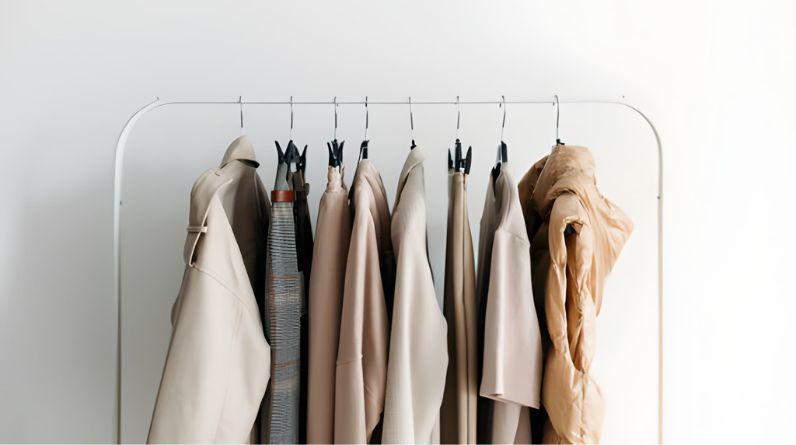
Reading about capsule wardrobes is one thing—experiencing the benefits is another. Try this 30-day challenge to test-drive the concept:
Week 1: Audit and Select
- Days 1-3: Sort your current wardrobe and pull out favorites
- Days 4-5: Select your capsule pieces (aim for 30-35 items)
- Days 6-7: Create and photograph 10 pre-planned outfits
Week 2: Test and Refine
- Wear only your capsule pieces
- Note which items you reach for repeatedly
- Identify pieces that aren’t working
Week 3: Experiment with Styling
- Try new combinations beyond your pre-planned outfits
- Practice layering techniques
- Experiment with different accessories
Week 4: Evaluate and Adjust
- Remove weak links that only worked one or two ways
- Identify gaps worth filling
- Refine your color palette
- Create your final, edited capsule
After 30 days, you’ll have firsthand experience with what works for your lifestyle and style preferences. Most people find they need fewer pieces than they initially thought—and they enjoy getting dressed far more than they expected.
Related: How to Build a Timeless Wardrobe on Any Budget
Conclusion: Simplicity That Serves Your Style
Building a capsule wardrobe isn’t about deprivation or following rigid rules. It’s about creating a intentional collection of clothes that makes your life easier while reflecting who you genuinely are. When you open your closet and see only pieces you love that work together effortlessly, getting dressed transforms from a source of stress into a simple, enjoyable part of your day.
Start small. You don’t need to overhaul your entire wardrobe this weekend. Begin with the 3-3-3 rule or simply edit down to your favorite 30 pieces. As you experience the benefits—easier mornings, less shopping, more confidence in your outfits—you’ll naturally refine and improve your capsule over time.
Remember, this is version one, your rough draft. Give yourself permission to experiment, make mistakes, and adjust as you learn what works for your unique life. The perfect capsule wardrobe isn’t the one that looks beautiful on Pinterest—it’s the one that serves you well every single day.