



Every time you reach for something to eat, you’re making a choice that impacts your health far beyond that single meal. The debate between whole foods and processed foods isn’t just a passing health trend—it’s a fundamental decision that influences your risk for chronic diseases, energy levels, and overall quality of life.
With nearly 63% of the average American diet consisting of processed foods, we’re facing unprecedented rates of obesity, diabetes, and heart disease. But here’s the good news: understanding the difference between whole and processed foods—and making better choices—can dramatically transform your health outcomes.
Let’s dive into the science, separate fact from fiction, and explore practical strategies to help you make informed decisions about what goes on your plate.
What Are Whole Foods?
Whole foods are foods in their natural or near-natural state, with minimal alteration from how they appear in nature. Think of an apple hanging from a tree, a fish swimming in the ocean, or vegetables growing in the ground. These foods retain all their original nutrients, including the fiber, vitamins, minerals, and antioxidants that your body needs to thrive.
The beauty of whole foods lies in their simplicity. If you can recognize it in nature, it’s likely a whole food. An apple has one ingredient: apple. A chicken breast is just that—chicken. No confusing labels, no hard-to-pronounce additives.
Examples of Whole Foods
- Fruits: Apples, berries, oranges, bananas, papaya
- Vegetables: Leafy greens, broccoli, carrots, peppers, tomatoes
- Whole Grains: Brown rice, quinoa, oats, barley
- Nuts and Seeds: Almonds, walnuts, chia seeds, pumpkin seeds
- Legumes: Lentils, chickpeas, black beans
- Animal Proteins: Fresh fish, chicken, beef, eggs
- Dairy: Plain milk, plain yogurt (without added sugars)
Why Whole Foods Pack a Nutritional Punch
Whole foods are considered nutrient-dense, meaning they deliver maximum nutrition relative to their calorie content. When you eat a serving of broccoli, you’re getting fiber, vitamin C, vitamin K, folate, and potassium—all working together synergistically to support your body’s functions.
Research shows that diets rich in whole foods help lower blood pressure, regulate blood sugar levels, and reduce cholesterol—the “three highs” that contribute to heart disease and stroke.
Understanding Processed Foods: A Three-Tier System
Not all processed foods are created equal. It’s helpful to understand that processing exists on a spectrum, from minimal alterations that preserve nutrition to industrial formulations that barely resemble real food.
Minimally Processed Foods
These are whole foods that have been altered slightly to extend their shelf life or make them easier to prepare. The processing is simple and doesn’t involve adding artificial ingredients.
Examples include:
- Frozen vegetables and fruits
- Dried beans and mushrooms
- Tofu and tempeh
- Pasteurized milk
- Canned tomatoes without added ingredients
- Roasted nuts without added salt or sugar
Good news: These minimally processed options can be part of a healthy diet. Freezing vegetables, for instance, often locks in nutrients at peak freshness.
Processed Foods
These foods have undergone more significant alterations and typically have ingredients like salt, sugar, or oil added during processing.
Examples include:
- Canned fruits in syrup
- Salted, cured, or smoked meats
- Canned fish
- Cheese
- Freshly baked bread
- Salted or sugared nuts
These foods can still fit into a balanced diet when consumed in moderation, but awareness of added ingredients is key.
Ultra-Processed Foods: The Real Concern
Ultra-processed foods are industrial formulations made from extracted food substances and chemical additives. They’re engineered to be hyper-palatable—meaning they’re designed to trigger cravings and override your body’s natural satiety signals.
Examples include:
- Carbonated soft drinks and sweetened beverages
- Packaged snacks (chips, cookies, candy)
- Instant soups and noodles
- Pre-prepared frozen meals
- Hot dogs and processed meat products
- Energy bars with long ingredient lists
- Sugary breakfast cereals
- Ice cream with artificial additives
A striking statistic: Nearly 90% of added sugars in the American diet come from ultra-processed foods. These products are often high in calories but low in essential nutrients—what nutritionists call “empty calories.”
The Science: How Processed Foods Affect Your Health
The rise of processed foods isn’t just a modern convenience—it’s a health crisis backed by decades of research. Let’s look at the evidence.
Weight Gain and Obesity
Ultra-processed foods are calorie-dense but nutrient-poor, making it easy to overeat without feeling satisfied. These foods are typically low in fiber and protein, the two nutrients most responsible for feelings of fullness. The result? You consume more calories than your body needs, leading to weight gain over time.
Cardiovascular Disease
The trans fats, excessive sodium, and added sugars prevalent in processed foods create a perfect storm for heart disease. These ingredients contribute to high blood pressure, elevated cholesterol levels, and inflammation in blood vessels—all major risk factors for heart attacks and strokes.
Type 2 Diabetes
Refined carbohydrates and added sugars in processed foods cause rapid spikes in blood glucose levels. Over time, this constant roller coaster can lead to insulin resistance and eventually type 2 diabetes. Studies show that diets high in ultra-processed foods significantly increase diabetes risk.
Cancer Risk
While research is ongoing, concerns exist about additives, preservatives, and the high sugar content in processed foods potentially increasing cancer risk. Conversely, the American Institute for Cancer Research recommends a diet comprising at least two-thirds whole, plant-based foods for cancer prevention.
Chronic Inflammation
Perhaps most concerning is how processed foods trigger chronic, low-grade inflammation throughout the body. This inflammation serves as the foundation for numerous diseases, including arthritis, asthma, depression, and even dementia.
The Nutritional Powerhouse: Benefits of Whole Foods
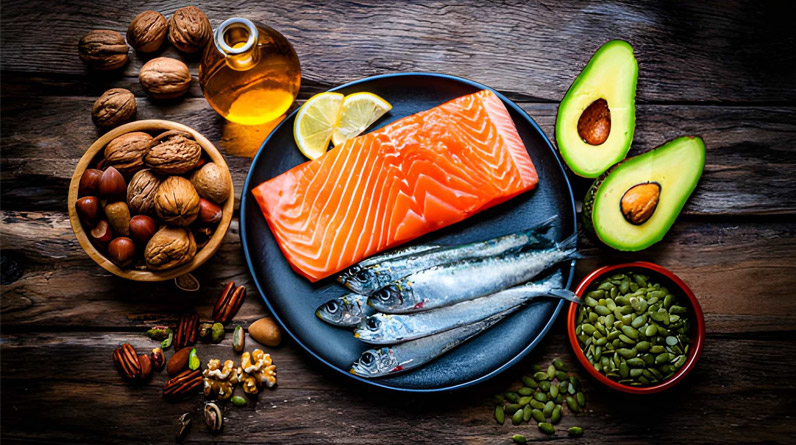
If processed foods represent a nutritional deficit, whole foods are your body’s best investment. Here’s why they’re so powerful.
Superior Nutrient Density
Whole foods deliver essential vitamins, minerals, and phytonutrients without empty calories. You get more nutrition per bite, which means better fuel for your body’s daily operations.
Fiber: The Unsung Hero
Fiber is one of the most critical nutrients that many people lack, and whole foods are your best source. Here’s what adequate fiber does for you:
- Feeds beneficial gut bacteria that protect against diseases ranging from autoimmune conditions to dementia
- Increases gut motility and prevents constipation
- Improves satiety, helping you feel full faster and longer
- Stabilizes blood sugar levels and reduces diabetes risk
- Reduces risk of colon, breast, and esophageal cancers
Antioxidant Protection
Whole foods are rich in antioxidants—compounds that combat free radicals and reduce oxidative stress in your body. This protection helps prevent chronic diseases and supports healthy aging.
Natural Appetite Control
The fiber, water content, and nutrients in whole foods work together to help you feel satisfied with appropriate portions. Unlike processed foods that leave you craving more, whole foods support your body’s natural hunger and fullness cues.
Gut Microbiome Support
Your gut health influences everything from your immune system to your mental well-being. Whole foods provide the diverse nutrients and fiber that beneficial gut bacteria need to thrive, creating a foundation for overall health.
A Brief History: How Did We Get Here?
Understanding how processed foods became so prevalent helps explain our current health crisis:
- 1820s: Sugar becomes widely available
- 1860s: Cottonseed oil introduced to the food supply
- 1880s: Roller-mill technology enables mass production of refined white flour
- 1910s: Procter & Gamble introduces Crisco and trans fats to consumers
- Present day: Processed foods account for approximately 63% of the average American diet
This gradual shift from traditional, freshly prepared meals with whole ingredients to convenience-focused, ultra-processed options has directly correlated with rising rates of obesity and chronic diseases worldwide.
Whole Foods vs. Processed Foods: Side-by-Side Comparison
| Aspect | Whole Foods | Ultra-Processed Foods |
|---|---|---|
| Ingredient List | Very short or single ingredient | Long list with hard-to-pronounce chemicals |
| Nutrient Density | High vitamins, minerals, fiber, antioxidants | Low nutrients, high empty calories |
| Fiber Content | Naturally high | Usually low or absent |
| Added Sugars | None (natural sugars only) | Often very high |
| Sodium Levels | Naturally low | Often excessive |
| Satiety | Helps you feel full longer | Triggers cravings and overeating |
| Energy Levels | Sustained, stable energy | Spikes and crashes |
| Disease Risk | Reduces risk of chronic diseases | Increases risk of obesity, diabetes, heart disease |
| Cost | Often affordable (e.g., brown rice, oats, seasonal produce) | Varies widely; convenience costs more long-term in health |
Practical Tips for Choosing Whole Foods
Knowledge is powerful, but application is where transformation happens. Here are actionable strategies to incorporate more whole foods into your daily life.
At the Grocery Store
- Shop the perimeter: Fresh produce, meats, and dairy are typically located around the store’s edges
- Read ingredient lists: Choose products with five or fewer recognizable ingredients
- Look for short ingredient lists: If you can’t pronounce it, your body probably doesn’t need it
- Choose brown over white: Brown rice, whole grain bread, and whole wheat pasta offer more nutrients and fiber
- Buy frozen produce: Frozen fruits and vegetables are whole foods that offer convenience and nutrition
- Select unsalted and unsweetened options: Plain nuts, seeds, and nut butters without added ingredients
When Eating Out
Eating whole foods at restaurants requires a bit of strategy, but it’s entirely possible:
- Practice portioning: Fill half your plate with vegetables, one-quarter with protein, and one-quarter with whole grain carbohydrates
- Request modifications: Ask for less rice or noodles and extra vegetables
- Choose water over sweetened beverages: This simple swap eliminates significant added sugar
- Add a whole fruit: Bring or order a piece of fresh fruit instead of juice or dessert
- Look for grilled, baked, or steamed options: These preparation methods typically involve less processing than fried foods
Starting Small: Sustainable Changes
You don’t need to overhaul your entire diet overnight. Small, consistent changes create lasting results:
- Add one fruit daily: Start eating an apple, a handful of berries, or a slice of papaya each day. This simple change begins lowering your risk of heart disease and cancer.
- Replace one processed item: Swap your morning pastry for steel-cut oats with nuts and seeds, or trade chips for raw vegetables with hummus.
- Prepare one extra meal at home weekly: Home cooking gives you complete control over ingredients.
- Try “Meatless Monday”: Experiment with plant-based whole foods one day per week.
- Switch to water: Replace sugary drinks with water, herbal tea, or sparkling water with fresh fruit.
Real-World Results: The Power of Whole Foods
Theory becomes compelling when backed by real outcomes. Medical professionals worldwide are witnessing dramatic health improvements when patients transition to whole food diets.
Case Study: Cholesterol Success
One patient shared with their doctor that after consuming steel-cut oats regularly for just three months, their LDL (“bad”) cholesterol level decreased by 50%. They also lost 3 kilograms of body fat—all without medication. This isn’t unusual; whole foods like oats contain beta-glucan fiber, which is scientifically proven to reduce cholesterol levels.
The “Food as Medicine” Movement
The American College of Lifestyle Medicine officially recognizes nutrition as a primary tool for preventing and treating chronic disease. Their research shows that moving from a processed-food-heavy diet to a whole-food, plant-based approach leads to:
- Decreased rates of high cholesterol, high blood pressure, and elevated blood glucose
- Reduced incidence of heart attacks and strokes
- Lower cancer occurrence and improved treatment outcomes for cancer patients
- Better management of inflammatory conditions
These aren’t marginal improvements—they’re life-changing health transformations.
Addressing Common Concerns
“Isn’t Whole Food Eating Expensive?”
This common misconception doesn’t hold up under scrutiny. Consider these examples:
- Brown rice costs less than white rice and provides more nutrition
- Dried beans and lentils are among the most affordable protein sources
- Seasonal fruits and vegetables are competitively priced
- Oats, barley, and whole grains are budget-friendly staples
- Whole fruits cost less than bottled juices while providing more fiber and nutrients
Moreover, investing in preventive nutrition through whole foods costs far less than treating chronic diseases down the road.
“I Don’t Have Time to Cook Whole Foods”
Whole food eating doesn’t require hours in the kitchen:
- Steel-cut oats cook in 15 minutes and provide multiple servings
- Frozen vegetables steam in minutes
- Rotisserie chicken (a minimally processed whole food) offers quick protein
- Batch cooking on weekends provides ready-to-eat whole food meals
- Raw fruits, vegetables, and nuts require zero preparation
“Does Cooking Affect Nutritional Value?”
Some cooking methods can reduce certain nutrients, but the overall impact is minimal compared to the benefits of eating whole foods. Simple strategies help preserve nutrition:
- Steam vegetables instead of boiling to retain water-soluble vitamins
- Use herbs and spices for flavor instead of excessive salt
- Choose healthier cooking oils in moderate amounts
- Don’t overcook—maintain some texture and color
The most important factor is consistently choosing whole foods, regardless of preparation method.
Related: How to Build a Balanced Routine for Better Health
Conclusion: Your Health, Your Choice
The science is clear: whole foods provide superior nutrition that supports optimal health, while ultra-processed foods contribute to chronic disease and diminished quality of life. Your grocery cart and kitchen choices today are shaping your health span—the number of years you’ll live in good health.
This isn’t about perfection or rigid dietary rules. It’s about understanding the fundamental difference between foods that nourish your body and products that merely fill your stomach. Even small shifts toward whole foods create measurable health improvements.
The good news? Every meal is a fresh opportunity to make a better choice. Start with one change today—add a piece of fruit, swap one processed item for a whole food alternative, or prepare one extra home-cooked meal this week. Your body will thank you, not just tomorrow, but for decades to come.
Remember: whole foods heal, processed foods harm. The choice, quite literally, is on your plate.