


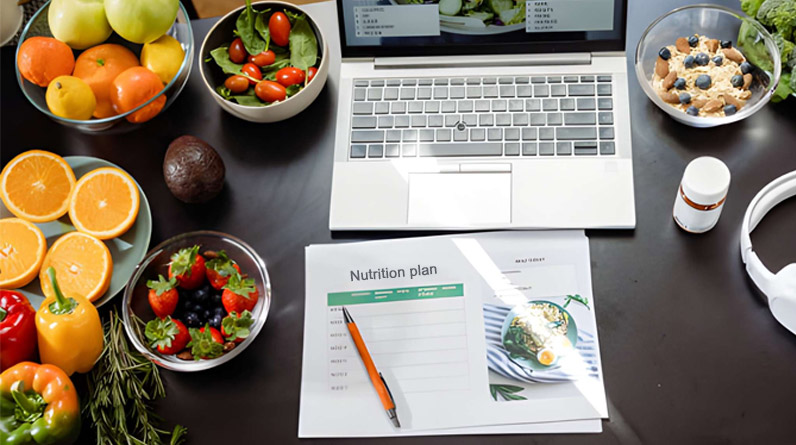
You’re building something from scratch. Pitching investors. Managing a growing team. Fixing bugs at midnight. And somewhere between your third coffee and that 7 PM investor call, you realize you’ve eaten nothing but a protein bar and someone’s leftover pizza.
Sound familiar?
Most startup founders fall into what experts call the “Everything or Nothing” syndrome—pouring every ounce of energy into the business while health and nutrition take a backseat. But here’s the reality: what you eat directly impacts your ability to make smart decisions, maintain energy, and sustain the marathon of building a company.
The good news? Eating well doesn’t require a personal chef or hours of meal prep. With the right strategies, you can fuel your body and brain for peak performance without sacrificing precious time.
Why Nutrition Matters More Than You Think
Before diving into the how, let’s talk about the why. Understanding the connection between food and performance might just change how you approach your next meal.
The Productivity Connection
Research shows that proper meals and hydration can increase productivity by up to 20%. That’s not a small number when you’re trying to outpace competitors or hit critical milestones. Every percentage point of performance matters in the startup world.
But it goes deeper than just productivity. Your food choices directly affect:
- Energy stability: Complex carbohydrates provide consistent fuel, while simple carbs cause spikes and crashes that leave you foggy by 3 PM
- Focus and concentration: Protein enhances mental clarity and helps maintain attention during long strategy sessions
- Decision-making quality: Your brain consumes 20% of your body’s energy—feeding it properly matters
- Stress management: Proper nutrition supports your body’s ability to handle the inevitable stress of startup life
How Food Affects Your Brain
Think of your brain as a high-performance engine. What you put in determines what you get out. Here’s what the science tells us:
| Nutrient | Best Sources | Impact on Performance |
|---|---|---|
| Complex Carbohydrates | Oatmeal, brown rice, quinoa | Stable energy, improved focus |
| Protein | Eggs, lentils, chicken, tofu | Enhanced concentration, mental clarity |
| Healthy Fats | Avocados, fatty fish, nuts | Brain function, reduced inflammation |
| Antioxidants | Dark berries, dark chocolate | Fights fatigue, protects brain cells |
The key takeaway? Your body needs a balanced mix of these nutrients throughout the day to maintain steady energy and sharp thinking.
The Sunday Chop: Your Weekly Prep Foundation
If you implement one strategy from this article, make it this one. The “Sunday Chop” method takes about an hour but saves you countless hours and decisions during the week. Studies show this approach can increase your vegetable intake by 30% while saving approximately one hour per week on meal assembly.
What to Prep
Choose one item from each category:
- 1 Grain: Brown rice, quinoa, oatmeal, or whole wheat pasta
- 1 Protein: Baked chicken breasts, sautéed ground turkey, black beans, or marinated tofu
- 2-3 Vegetables: Broccoli, bell peppers, carrots, cherry tomatoes, spinach, or kale
- Bonus: A soup or main dish if you’re feeling motivated
The Five-Minute Meal Formula
With your prepped ingredients ready, you can assemble any of these meals in under five minutes:
- Burrito Bowl: Grain + protein + vegetables + salsa + avocado
- Stir-Fry: Grain + protein + mixed vegetables + sesame oil + soy sauce
- Mediterranean Bowl: Quinoa + chickpeas + cucumber + tomatoes + hummus
- Power Pasta: Whole wheat pasta + protein + steamed vegetables + olive oil
- Asian Bowl: Brown rice + edamame + mixed veggies + protein + ginger dressing
Pro Tip: Store ingredients separately in containers. This keeps everything fresh longer and allows you to mix and match throughout the week.
Breakfast: Start Your Day Without Starting a Fire
Mornings are chaotic. You’re already thinking about your 9 AM standup, that bug in production, or your upcoming pitch. The last thing you need is a complicated breakfast routine.
The Overnight Oats Solution
This three-minute prep gives you a grab-and-go breakfast that delivers real energy. One cup of overnight oats made with 2% milk contains 215 calories, 33g of carbohydrates, 4g of fiber, and 9g of protein.
Basic Recipe:
| Ingredient | Amount | Purpose |
|---|---|---|
| Rolled oats | ½ cup | Fiber and complex carbs |
| Milk (any type) | ⅔ cup | Protein and creaminess |
| Greek yogurt | ¼ cup | Extra protein |
| Chia seeds | 1 tbsp | Omega-3s and fiber |
| Honey or maple syrup | 1 tsp | Natural sweetness |
Mix everything in a container the night before, refrigerate, and grab it on your way out. Top with fresh fruit, nuts, or seeds for added nutrients and texture.
Other Quick Breakfast Options
If meal prep isn’t your style, these combinations work just as well:
- Medium banana (105 calories, 27g carbs) + 2 tablespoons peanut butter
- Greek yogurt + berries + granola
- Hard-boiled eggs (prep a dozen on Sunday) + whole-grain toast
- Apple slices + handful of almonds
- Pre-made smoothie packs (freeze portioned ingredients, blend with liquid)
The goal is combining complex carbohydrates, protein, and healthy fats to prevent that mid-morning energy crash.
Related: Morning Routines of Highly Productive People: Beyond the 5am Myth
Smart Lunch Strategies That Actually Work
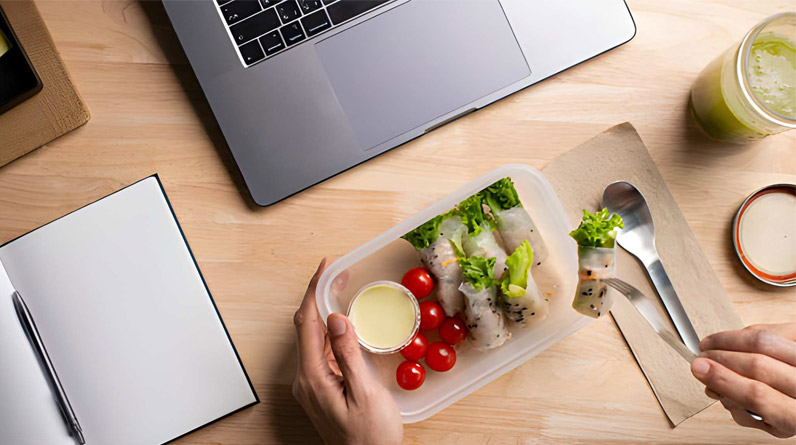
Lunch often becomes an afterthought—eaten at your desk between meetings or skipped entirely. But eating a proper lunch means a happier, more energized afternoon. Multiply that by five days per week over several years, and the cumulative impact on your performance is massive.
The Container Method
Using your Sunday Chop ingredients, you can create endless lunch combinations. The formula is simple:
| Base | Protein | Vegetables (2+ cups) | Toppings |
|---|---|---|---|
| Brown rice | Baked chicken | Cherry tomatoes | Avocado |
| Quinoa | Black beans | Cucumber slices | Salsa |
| Mixed greens | Tofu | Shredded carrots | Greek yogurt dressing |
| Kale/spinach mix | Edamame | Bell peppers | Sesame seeds |
When You Forget Your Lunch
Life happens. When you need to grab something quickly, look for options that maximize vegetables and include quality protein:
- Salad-focused restaurants: Load up on greens, add grilled protein, choose olive oil-based dressing
- Build-your-own bowls: Places like Chipotle or Cava let you customize for nutrition
- Asian restaurants: Stir-fries with brown rice and extra vegetables
- Mediterranean spots: Hummus, falafel, salads, and whole-grain pita
Pro Tip: Keep a backup stash of healthy snacks in your desk or bag so you’re never forced into poor choices when time is tight.
The Snacking Strategy: Your Secret Weapon
Smart snacking isn’t about willpower—it’s about preparation. When you have nutritious options readily available, you naturally make better choices and avoid the dreaded afternoon slump.
High-Performance Snack Combinations
The best snacks combine protein, healthy fats, and complex carbohydrates. Here’s what that looks like in practice:
| Snack Combination | Protein Content | Prep Time | Benefits |
|---|---|---|---|
| Cottage cheese + berries | 19g | 1 minute | Probiotics, antioxidants |
| Hummus + vegetable sticks | 4-6g | 2 minutes | Fiber, sustained energy |
| Apple + almond butter | 4g | 1 minute | Healthy fats, natural sugars |
| Hard-boiled eggs + crackers | 12g | 0 minutes (if prepped) | Complete protein, portable |
| Trail mix (homemade) | 5-8g | 5 minutes (weekly) | Controlled ingredients |
Grab-and-Go Options
For days when you have zero time to prepare anything:
- Nuts and seeds: Almonds, cashews, pumpkin seeds (pre-portion into small containers)
- Whole fruit: Apples, bananas, oranges—nature’s perfectly packaged snack
- Protein bars: Choose options with recognizable ingredients and 10g+ protein
- Edamame: Buy frozen, microwave for 3 minutes, sprinkle with salt
- Greek yogurt: Single-serve containers are portable and protein-rich
The key is keeping these items visible and accessible. Stock your desk drawer, keep a stash in your bag, and maintain supplies in the office kitchen.
Hydration: The Overlooked Performance Enhancer
You can nail your meals and still sabotage your performance through dehydration. Even mild dehydration impairs attention, reaction time, and short-term memory—all critical for startup success.
How Much Do You Actually Need?
According to the U.S. National Academies of Sciences, Engineering, and Medicine, here are the daily fluid targets:
- Men: 15.5 cups (3.7 liters) total—about 12.4 cups from beverages
- Women: 11.5 cups (2.7 liters) total—about 9.2 cups from beverages
About 20% of your fluid intake comes from food, especially if you’re eating plenty of fruits and vegetables.
Beyond Plain Water
If plain water feels boring, incorporate these hydrating options:
| Food/Drink | Water Content | Additional Benefits |
|---|---|---|
| Cucumber | 96.73% | Low-calorie, refreshing snack |
| Watermelon | 91.45% | Natural electrolytes |
| Strawberries | 90.95% | Antioxidants and fiber |
| Oranges | 86.75% | Vitamin C boost |
| Herbal tea | 99%+ | Variety without caffeine |
| Sparkling water | 100% | Fizz without sugar |
Building a Hydration Habit
Create a simple routine that works with your schedule:
- Morning: Drink a full glass of water first thing—before coffee
- Pre-meal: Have water before each meal (aids digestion and prevents overeating)
- Desk setup: Keep a reusable water bottle at your workspace and refill regularly
- Meeting breaks: Hydrate during transitions between calls or meetings
- Visual cue: Pale, clear urine indicates proper hydration
Don’t wait until you’re thirsty—by then, you’re already mildly dehydrated.
Navigating Office Food Culture
Your personal nutrition goals often collide with office reality: birthday cakes, catered lunches, snack tables loaded with chips and candy. How do you maintain healthy habits without becoming “that person”?
If You’re Not the Boss
There’s a fine line between advocating for healthier options and being annoying. Here’s how to walk it:
- Learn the system: Find out who selects snacks and what framework they use (vendor, budget, preferences)
- Make specific suggestions: Rather than complaining, offer concrete alternatives within existing constraints
- Create a healthy lunch list: Compile nearby restaurants with nutritious options for team outings
- Be low-key and kind: Share what you’re looking for without demanding or judging
- Go with the flow occasionally: Participate in team celebrations and social eating—balance matters
If You’re the Boss
You have unique leverage to shape office food culture:
- Stock the kitchen with healthy staples: nuts, fruit, hummus, whole-grain crackers
- Choose catering companies that offer balanced options
- Provide water bottles or filtered water stations
- Consider offering meal stipends instead of catered lunches for more flexibility
- Lead by example—your team watches what you do
Remember, healthier employees are more productive, take fewer sick days, and maintain better focus. It’s good for people and good for business.
Quick Wins: The Easiest Changes to Make Today
Feeling overwhelmed? Start here. These changes require minimal effort but deliver real impact:
This Week
- Add vegetables everywhere: To your nachos, rice, pasta, sandwiches—just add them
- Buy a reusable water bottle: Keep it filled and at your desk
- Stock emergency snacks: Nuts, protein bars, and fruit in your desk drawer
- Eat breakfast: Even something simple—don’t skip it
This Month
- Try the Sunday Chop: Just once. Prep one grain, one protein, two vegetables
- Pack lunch twice per week: Start small, build the habit
- Reduce sugary drinks: Replace one soda or sweetened coffee with water or unsweetened tea
- Eat away from your desk: Even 10 minutes makes a difference
Long-Term Habits
- Make meal prep a weekly ritual
- Build a rotation of five go-to healthy meals
- Establish consistent meal times (helps regulate energy and hunger)
- Prioritize sleep alongside nutrition (they work together)
The Bottom Line: Small Changes, Big Impact
Building a startup is hard enough without fighting fatigue, brain fog, and energy crashes caused by poor nutrition. The good news? You don’t need to be perfect. You don’t need hours of meal prep or a restrictive diet. You just need a few reliable strategies that work with your chaotic schedule.
Start with one change this week. Maybe it’s drinking more water. Maybe it’s trying the Sunday Chop. Maybe it’s just adding vegetables to more meals. Pick what feels manageable, make it a habit, then add another small change.
Your startup needs you operating at your best. Taking care of your nutrition isn’t selfish or frivolous—it’s strategic. Every founder who’s built something lasting will tell you: sustainable success requires sustainable habits. And it all starts with how you fuel your body and brain.
The question isn’t whether you have time to eat well. It’s whether you can afford not to.