



Superhero movies have dominated cinema for over two decades, but whispers of “superhero fatigue” are growing louder. Box office numbers tell conflicting stories—while some franchises stumble, others shatter records. We’re standing at a crossroads where the genre that defined 21st-century entertainment must reinvent itself or risk becoming yesterday’s blockbuster formula. The question isn’t whether superhero movies will survive, but rather how they’ll transform to captivate audiences who’ve already witnessed universe-ending battles and reality-bending multiverses.
From Comic Panels to Cinema Screens: The Foundation Years
The superhero genre didn’t burst onto screens with billion-dollar fanfare. Its origins were humble, experimental, and often downright crude by today’s standards.
The Serial Beginnings (1940s-1950s)
Long before CGI and interconnected universes, superheroes made their live-action debut through theatrical serials. These short, episodic films played before main features, introducing characters like Captain Marvel and Batman to audiences in 1941 and 1943 respectively.
These early adaptations faced significant limitations:
- Shoestring budgets that couldn’t match comic book imagination
- Rudimentary special effects relying on practical tricks
- Simplistic storylines targeting primarily juvenile audiences
- Limited theatrical reach compared to today’s global releases
Despite these constraints, these serials established something crucial: proof that audiences would pay to see their comic book heroes come to life, however imperfectly.
Television Takes the Cape (1960s-1970s)
The 1960s brought superheroes into American living rooms. Adam West’s Batman series embraced camp aesthetics with bright colors, exaggerated action sequences, and comedic overtones. While modern audiences might view it as kitsch, the show was phenomenally successful, transforming Batman into a household name beyond comic book shops.
The real game-changer arrived in 1978 with Richard Donner’s Superman: The Movie. Starring Christopher Reeve, this film proved three critical points:
- Superhero stories could command serious budgets
- Audiences would accept earnest, dramatic superhero narratives
- Technological advances could finally deliver convincing flight sequences and super-powered action
Superman didn’t just succeed—it grossed over $300 million worldwide and earned critical acclaim, establishing the template for modern superhero cinema.
The Blockbuster Awakening: Finding the Formula
Tim Burton’s Dark Revolution (1989)
If Superman proved superheroes could fly at the box office, Tim Burton’s Batman demonstrated they could also brood. Burton’s gothic, noir-influenced vision marked a radical departure from the campy television series. Michael Keaton’s tortured Bruce Wayne and Jack Nicholson’s sinister Joker created a darker, psychologically complex superhero landscape.
The film’s impact rippled through Hollywood:
- Box office: $411 million globally against a $35 million budget
- Merchandising phenomenon generating over $500 million in additional revenue
- Proof that mature, visually distinct superhero films could attract adult audiences
- Launched a franchise that would span decades
The Stumbles of the 1990s
Success bred experimentation, and experimentation led to spectacular failures. The 1990s taught Hollywood harsh lessons about what audiences wouldn’t tolerate. Batman & Robin (1997) became infamous for its neon aesthetic, rubber nipple suits, and cringe-worthy dialogue, bombing both critically and commercially.
These missteps highlighted crucial insights:
- Tone consistency matters—audiences reject jarring shifts from dark to campy
- Star power alone can’t salvage weak scripts
- Studio interference often derails creative vision
- Respecting source material builds fan loyalty
The genre needed a reset. It arrived at the turn of the millennium.
The Marvel Revolution: Building a Universe
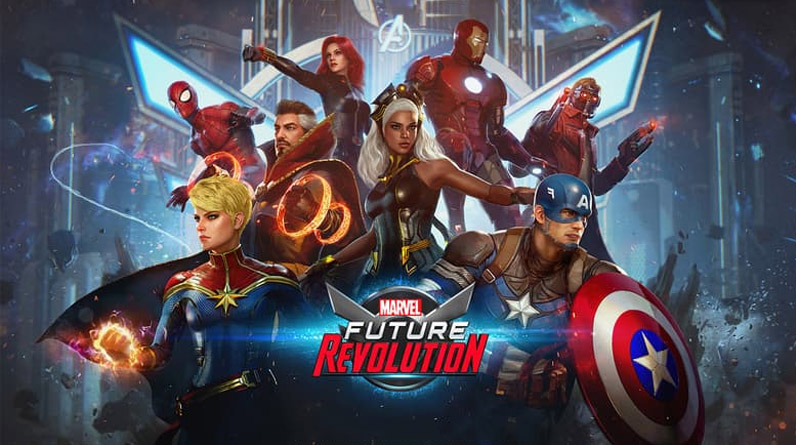
X-Men and Spider-Man Pave the Way (2000-2007)
Bryan Singer’s X-Men (2000) inaugurated a new era. The film tackled themes of prejudice and identity while delivering spectacular action sequences. More importantly, it demonstrated that ensemble superhero teams could work cinematically without descending into chaos.
Sam Raimi’s Spider-Man (2002) followed with even greater impact. Tobey Maguire’s portrayal of Peter Parker balanced superhero spectacle with genuine emotion and humor. The film grossed $821 million worldwide, proving superhero movies could compete with any blockbuster genre.
Iron Man and the Birth of the MCU (2008)
Marvel Studios took an unprecedented gamble in 2008. With limited funds and no distribution deal, they bet everything on Iron Man, featuring a B-list superhero played by Robert Downey Jr., an actor emerging from personal struggles.
The gamble paid off spectacularly. More importantly, Iron Man introduced a revolutionary concept: the post-credits scene teasing Nick Fury and “The Avengers Initiative.” Kevin Feige and Marvel Studios were building something unprecedented—a shared cinematic universe where each film was both standalone entertainment and a chapter in an ongoing saga.
The Interconnected Universe Model
The Marvel Cinematic Universe’s approach fundamentally changed blockbuster filmmaking:
| Traditional Franchise Model | MCU Model |
|---|---|
| Single character focus | Shared universe with crossovers |
| Standalone sequels | Interconnected storylines |
| Reboots when franchises falter | Continuous narrative across films |
| Individual director visions | Unified creative oversight |
| Characters exist in isolation | Team-ups and guest appearances |
The Avengers (2012) validated this model, grossing $1.5 billion worldwide and becoming a cultural phenomenon. Audiences embraced the complexity, rewarding their investment in multiple films with an unprecedented crossover event.
The Peak and the Plateau: Success and Its Challenges
The Golden Age (2012-2019)
The period from The Avengers to Avengers: Endgame represents superhero cinema’s zenith. Films consistently dominated box offices, earned critical acclaim, and generated cultural conversations beyond typical blockbuster fare.
Key achievements during this era:
- Black Panther (2018): First superhero film nominated for Best Picture, grossing $1.3 billion while celebrating African culture and addressing representation
- Guardians of the Galaxy (2014): Proved audiences would embrace obscure characters with the right creative vision
- Logan (2017): Demonstrated superhero films could deliver R-rated, emotionally devastating narratives
- Avengers: Endgame (2019): Culminated 22 films with $2.8 billion globally, briefly becoming the highest-grossing film ever
Post-Endgame Challenges
After reaching cinema’s summit, the MCU faced inevitable questions: Where do you go after saving the universe? How do you maintain momentum when your biggest storylines have concluded?
The post-2019 landscape revealed growing pains:
- Oversaturation concerns: Multiple Disney+ series plus theatrical releases created fatigue among casual viewers
- Quality inconsistency: Not every project maintained the established standard, with some Disney+ series receiving lukewarm reception
- Narrative confusion: Interconnected storytelling became barrier to entry for new audiences
- Budget inflation: Production costs soared, requiring increasingly massive box office returns to justify investments
DC’s Extended Universe faced similar challenges, struggling to match Marvel’s formula while finding its own identity. Films like Wonder Woman succeeded while others faltered, highlighting the difficulty of replicating interconnected universe success.
Where We Stand: 2025’s Turning Point
Industry observers increasingly describe 2025 as a pivotal year—a moment where superhero cinema either evolves or stagnates. Several factors converge to create this inflection point.
The Numbers Tell a Complex Story
Recent box office performance reveals a divided landscape:
- Spider-Man: No Way Home (2021): $1.9 billion, demonstrating massive audience appetite still exists
- The Marvels (2023): Lowest MCU opening ever, signaling brand loyalty isn’t guaranteed
- Guardians of the Galaxy Vol. 3 (2023): Strong performance suggesting character-driven stories still resonate
- Independent superhero projects like Joker (2019): $1 billion for a dark, unconventional take
The pattern is clear: quality and novelty determine success more than superhero branding alone.
Streaming’s Double-Edged Sword
Disney+, HBO Max, and other streaming platforms expanded superhero content exponentially. While this increased accessibility and storytelling opportunities, it also created problems:
- Audience obligation increased—keeping up with interconnected stories now requires watching TV series
- Production resources spread thin across multiple projects
- Theatrical releases lost exclusivity appeal
- Binge-watching culture diminished cultural conversation staying power
What’s Next? Five Transformative Trends Shaping Superhero Cinema
1. The Character-Driven Renaissance
The future belongs to stories that prioritize character over spectacle. Films like Logan and Joker demonstrated audiences crave psychological depth and emotional authenticity, not just larger explosions.
Expect more:
- Intimate, grounded narratives focusing on personal stakes
- Genre-blending approaches (superhero westerns, psychological thrillers, etc.)
- Director-driven visions over committee-designed blockbusters
- R-rated content exploring mature themes
The upcoming Deadpool & Wolverine collaboration exemplifies this shift, promising character exploration alongside fan service.
2. Technology: AI and Virtual Production Revolution
Technological advances are democratizing superhero filmmaking while enabling unprecedented visual storytelling:
- LED volume stages: Real-time rendering creates immersive environments without green screens
- AI-assisted visual effects: Reduces costs and production timelines while maintaining quality
- De-aging technology: Enables legacy casting and flashback sequences
- Virtual cinematography: Directors can visualize complex action sequences before filming
These tools enable smaller studios to produce quality superhero content, potentially breaking the Marvel/DC duopoly.
Related: The Future of Virtual Reality: Is VR Finally Going Mainstream?
3. Diversity and Representation as Standard
Superhero cinema is moving beyond token representation toward authentic, multifaceted portrayals:
- Increased LGBTQ+ representation in mainstream superhero narratives
- Global perspectives beyond Western-centric storytelling
- Disabled superheroes receiving meaningful screen time
- Female-led projects as norm rather than exception
The success of Black Panther and Shang-Chi proved diverse casting and cultural specificity enhance rather than limit commercial appeal.
4. The Rise of Video Game Adaptations
As superhero saturation grows, video game adaptations are emerging as Hollywood’s next franchise goldmine. Successful projects like The Last of Us, Arcane, and the Sonic films demonstrate gaming properties can deliver superhero-level spectacle with fresh narratives.
This shift offers several advantages:
- Built-in fanbases comparable to comic book readers
- Rich lore providing years of storytelling material
- Visual spectacle matching superhero standards
- Less audience fatigue since gaming adaptations feel novel
Expect gaming adaptations to increasingly compete with traditional superhero properties for blockbuster dominance.
5. The “Silver Age” Approach: Quality Over Quantity
Industry insiders reference a coming “Silver Age” of superhero content—a period emphasizing creative risk-taking and artistic merit over franchise-building.
Key characteristics of this emerging era:
- Fewer releases with higher individual quality
- Self-contained stories requiring less prior knowledge
- Experimental storytelling formats and structures
- Focus on themes and character arcs over universe-building
Marvel Studios reportedly embracing this philosophy, reducing Disney+ output while focusing resources on theatrical tent-poles.
Predictions: The Superhero Landscape in 2030
Based on current trends and industry signals, here’s how superhero cinema might evolve over the next five years:
Franchise Fragmentation
The unified universe model will fragment into multiple approaches:
- Prestige superhero films: Director-driven, awards-oriented projects with minimal franchise connections
- Traditional blockbusters: Summer spectacles maintaining interconnected universes but with simplified entry points
- Streaming originals: Medium-budget series exploring niche characters and experimental storytelling
- Animated excellence: Increased investment in animated superhero content following Spider-Verse success
New Power Players
Expect fresh studios challenging Marvel/DC dominance:
- Image Comics properties gaining traction (Invincible animated success points the way)
- Independent superhero concepts without comic book origins
- International productions bringing cultural specificity to superhero tropes
- Legacy properties like X-Men rebooted with modern sensibilities
The Theatrical Experience Redefined
Post-pandemic viewing habits permanently altered theatrical economics. Future superhero releases will likely embrace tiered strategies:
- Mega-events justifying theatrical exclusivity (team-ups, major crossovers)
- Simultaneous theatrical and premium streaming releases for mid-tier projects
- Limited theatrical runs before streaming debuts
- Enhanced theatrical experiences (IMAX-exclusive content, interactive elements)
The Enduring Appeal: Why Superheroes Will Survive
Despite fatigue discussions, superhero stories possess timeless appeal rooted in fundamental human desires:
- Aspirational power fantasy: Overcoming impossible odds resonates across cultures and ages
- Moral clarity in complex times: Superheroes provide ethical frameworks when real-world morality feels ambiguous
- Community and belonging: Fandoms offer social connection and shared experiences
- Spectacle and escapism: Technical wizardry provides visual experiences unavailable elsewhere
Superhero cinema won’t disappear—it will transform, just as it has repeatedly since 1941. The serials became television shows became blockbusters became cinematic universes. The next evolution is already beginning.
Conclusion: Evolution, Not Extinction
The superhero genre stands at a crossroads, but crossroads imply multiple paths forward, not dead ends. From humble serials to multi-billion-dollar juggernauts, movie have continuously adapted to technological advances, cultural shifts, and audience expectations.
The next chapter won’t replicate the MCU’s formula—that era has concluded. Instead, expect diversity in approach, tone, and storytelling. Character-driven narratives will coexist with spectacular blockbusters. Experimental indie projects will challenge traditional franchise models. International perspectives will enrich predominantly Western superhero mythology.
What’s next for superhero movies? Everything and anything. The cape-wearing heroes who’ve dominated cinema for two decades aren’t retiring—they’re simply trying on new costumes. And if history teaches us anything, it’s that superhero cinema’s most exciting evolution might still lie ahead.
The genre that taught us anyone can be a hero is now proving it can become anything it needs to be. That’s the real superpower.