



Staring at a closet full of clothes yet feeling like you have nothing to wear is one of fashion’s greatest paradoxes. The solution isn’t buying more—it’s learning how to style what you already own in multiple ways. With a few strategic tweaks, that single outfit collecting dust can become five, seven, or even ten completely different looks.
This guide will show you exactly how to maximize every piece in your wardrobe, save money, and develop a more sustainable approach to fashion without sacrificing style.
Why Outfit Restyling Matters More Than Ever
The average person wears only 20% of their wardrobe regularly, according to closet organization experts. Meanwhile, the fashion industry produces over 100 billion garments annually, contributing significantly to environmental waste. Learning to restyle the same outfit addresses both problems simultaneously.
Beyond sustainability, mastering outfit versatility offers tangible benefits:
- Reduces decision fatigue during busy mornings
- Maximizes cost-per-wear of your clothing investments
- Develops your personal style through experimentation
- Creates more outfit options without additional purchases
- Makes packing for travel significantly easier
The Core Principles of Outfit Transformation
Before diving into specific techniques, understand that restyling revolves around three fundamental principles: changing proportions, altering focal points, and adjusting the overall vibe or formality level of your look.
Every styling decision you make should impact at least one of these elements. A simple blazer, for instance, changes proportions through structure, shifts the focal point upward, and elevates formality. This framework helps you think strategically rather than randomly throwing pieces together.
Master the Art of Strategic Accessorizing
Accessories are the fastest and most effective way to transform any outfit. They require zero alterations to your base clothing and can completely shift an outfit’s mood in seconds.
Shoes: Your Secret Weapon
The same dress paired with different footwear creates entirely distinct impressions. Consider this transformation matrix:
| Shoe Type | Vibe Created | Best Occasions |
|---|---|---|
| White Sneakers | Casual, approachable | Brunch, errands, daytime events |
| Ankle Boots | Edgy, modern | Dinner, creative workplaces |
| Heels or Pumps | Polished, formal | Meetings, evening events |
| Ballet Flats | Elegant, effortless | Office, sophisticated casual |
| Loafers | Preppy, refined | Business casual, smart events |
The psychology behind this is simple: shoes ground your entire look and signal your intended formality level before anyone even looks at your clothing.
Jewelry and Belts as Focal Shifters
Strategic jewelry placement directs attention exactly where you want it. A statement necklace draws eyes upward toward your face, while bold earrings frame your features. Layered delicate chains create visual interest without overwhelming.
Belts serve a dual purpose—they define your waist and create new silhouettes from existing pieces. A chunky belt over a loose dress creates shape and adds edge, while a thin leather belt threaded through jeans gives polish to casual basics.
The Transformative Power of Bags and Scarves
Your bag choice dramatically impacts outfit perception. A structured leather tote signals professionalism, while a slouchy crossbody suggests relaxed weekend vibes. Even the same outfit reads completely differently with these bag swaps.
Scarves offer endless possibilities: worn traditionally around the neck, tied as a headband, wrapped around bag handles, or even used as a belt. A silk scarf instantly elevates any look, while a chunky knit adds cozy texture.
Layering Techniques That Create New Outfits
Layering isn’t just for weather—it’s a styling strategy that multiplies your wardrobe exponentially. The key is understanding how different layers interact and what each combination communicates.
Outerwear as Outfit Changers
The same base outfit transforms dramatically under different jackets:
- Denim Jacket: Adds casual, approachable energy perfect for weekends
- Blazer: Instantly professional, works for meetings or polished events
- Leather Jacket: Creates edge and attitude, ideal for evenings out
- Cardigan: Softens looks and adds comfortable, cozy vibes
- Trench Coat: Delivers sophisticated, timeless elegance
The trick is owning at least three versatile outerwear pieces in different styles. This single investment creates dozens of new outfit combinations from your existing wardrobe.
Inner Layering for Dimension
Don’t overlook what goes underneath. A simple white tee under a slip dress extends its wearability into cooler months. A crisp button-down layered under a sweater adds preppy polish. A turtleneck worn beneath a blazer creates sleek sophistication without additional jewelry needed.
Experiment with sheer layers too. A mesh or lace top under a blazer or vest adds visual intrigue while maintaining professionalism. This technique works especially well for transitioning summer pieces into fall.
Playing With Proportions
Strategic layering manipulates your silhouette. Cropped jackets pair beautifully with high-waisted, wide-leg pants, creating balanced proportions. Longer cardigans work with fitted bottoms to avoid overwhelming your frame.
The general rule: if one layer is voluminous, keep the other fitted. This creates visual balance and prevents looking shapeless or drowned in fabric.
Styling Techniques That Change Everything
Sometimes the garment stays the same, but how you wear it makes all the difference. These simple adjustments create dramatically different looks without adding or removing anything.
The Tucking Method
Five different tucking techniques yield five different silhouettes from one shirt:
- Full Tuck: Completely tucked in—polished and professional
- Front Tuck: Only the front tucked—casual yet intentional
- Side Tuck: One side tucked—asymmetrical and modern
- Half Tuck: Partially tucked, slightly messy—effortlessly cool
- Untucked: Completely loose—relaxed and comfortable
Each option changes where the eye travels and how your proportions read. Tucking generally elongates legs and defines the waist, while leaving tops untucked creates a more relaxed, flowing line.
Knotting and Twisting
Tying a knot in an oversized shirt instantly creates shape and shows off your waist. This works with button-downs, tees, and even lightweight sweaters. The placement of the knot matters—side knots feel playful, while center-front knots are more classic.
For long cardigans or kimonos, try twisting them at the back and bringing the twisted section to the front, securing with a belt. This creates an entirely new silhouette from a piece you might have dismissed as shapeless.
Buttoning, Cuffing, and Rolling
How many buttons you fasten on a shirt completely changes its vibe. Buttoned to the top feels structured and editorial. Leave the top two undone for casual ease. Unbuttoned and worn as a jacket over a tank creates laid-back layering.
Cuffing sleeves and pant hems adjusts proportions and formality. Rolled sleeves suggest you’re ready to work, while neatly cuffed jeans add intentionality to casual outfits. Even the width of your cuff sends signals—tight cuffs feel precise, while chunky rolls appear more relaxed.
Breaking Up Sets and Separates
Matching sets and coordinated outfits often get worn once then forgotten because we view them as single, unchangeable units. The breakthrough comes when you start viewing each piece individually.
The Set-Breaking Strategy
That plissé matching set you bought? It’s actually six outfits in one:
- Worn together as designed
- Top with jeans and sneakers
- Top with a midi skirt and heels
- Pants with a graphic tee and leather jacket
- Pants with a button-down for work
- Top layered under a blazer with trousers
This approach works with any coordinated outfit. Blazers and matching trousers, knit sets, even loungewear separates all function independently once you break the mental association of keeping them together.
Mixing Textures and Patterns
Pairing unexpected textures creates visual interest and prevents outfit boredom. Smooth silk against rough denim provides pleasing contrast. Chunky knits paired with sleek leather offer tactile variety.
Pattern mixing intimidates many people, but the principle is straightforward: vary the scale. Pair large prints with small ones, or mix different pattern types (stripes with florals, checks with dots). Keep colors within the same family for cohesion.
Changing Bottoms for Maximum Versatility
If you love a particular top, blazer, or sweater, changing what you wear on bottom instantly multiplies your outfit count. This strategy works especially well for favorite pieces you want to wear frequently without looking repetitive.
One Top, Five Bottoms
Consider a classic white button-down paired with different bottoms throughout the week:
- Monday: Tailored black trousers and heels—professional polish
- Tuesday: Wide-leg jeans and loafers—smart casual
- Wednesday: Pencil skirt and ankle boots—feminine sophistication
- Thursday: Cargo pants and sneakers—utilitarian cool
- Friday: Leather pants and heels—date night ready
Each combination creates a distinctly different outfit, yet you’ve worn the same top five times. Nobody notices because the overall look changes completely.
The Role of Hair and Makeup in Outfit Transformation
Your personal grooming choices significantly impact how your outfit reads. The same clothing appears dramatically different when paired with varied hair and makeup approaches.
A sleek low bun with bold red lipstick creates polished sophistication, while loose beach waves with natural makeup suggest effortless ease. High ponytails feel youthful and energetic, while side-parted, straightened hair appears more corporate and serious.
Consider your complete presentation rather than just your clothing. Strategic makeup and hairstyle choices extend your outfit versatility without requiring wardrobe changes.
Creating a Weekly Styling Plan
Planning eliminates morning stress while ensuring maximum outfit variety from minimal pieces. Here’s how to implement a practical weekly strategy:
Sunday Planning Session
Dedicate 30 minutes every Sunday evening to plan your week’s outfits. This upfront investment saves hours of daily decision-making and prevents repeating the same combinations unconsciously.
Choose one base outfit, then map variations for each day. Take photos of each combination on your phone for quick morning reference. This eliminates the need to physically try on multiple options when you’re rushing.
The Capsule Method
Select 10-15 pieces that work well together, creating a mini capsule for the week or month. This focused approach makes styling easier and forces creative combinations since your options are deliberately limited.
A typical work week capsule might include: two pairs of pants, one skirt, three tops, two layering pieces, two pairs of shoes, and accessories. From these items, you can create 20+ distinct outfits through strategic restyling.
Styling Rules That Actually Work
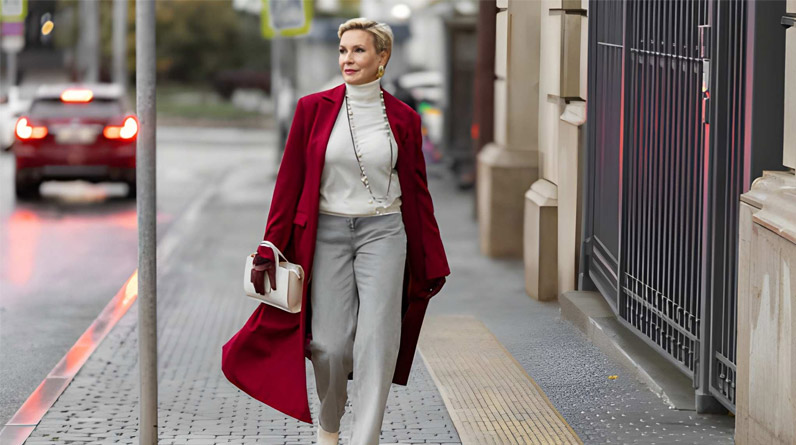
While fashion encourages rule-breaking, certain guidelines genuinely help create cohesive, well-balanced outfits when you’re learning to restyle.
The Three-Color Rule
Limit your outfit to three colors maximum: one dominant, one secondary, and one accent. This creates visual cohesion and prevents looking chaotic. Neutrals (black, white, gray, beige, navy) don’t count toward this limit, making them invaluable for versatile styling.
The Seven-Point Rule
This styling guideline suggests counting items to gauge outfit completeness. Assign points to different elements:
- Shoes: 1 point
- Pants/skirt: 1 point
- Top: 1 point
- Jacket or cardigan: 1 point
- Bag: 1 point
- Jewelry: 1 point
- Hat or scarf: 1 point
Aim for 6-8 points total. Below this, outfits may feel incomplete or too casual. Above this risks appearing over-styled or cluttered. Use this as a rough guide rather than rigid law.
Common Restyling Mistakes to Avoid
Understanding what doesn’t work helps you style more effectively. These frequent errors undermine otherwise great restyling attempts.
Over-Accessorizing
More isn’t always better. Statement earrings plus a bold necklace plus multiple bracelets plus a patterned scarf creates visual noise. Choose one or two focal points and keep everything else minimal.
Ignoring Proportions
Oversized top with oversized bottom makes you appear shapeless. Extremely fitted top with extremely tight pants can look unbalanced. Mix proportions—loose with fitted, cropped with long—for better visual flow.
Forgetting About Occasion
Not every restyled version of an outfit works for every setting. Your casual weekend look shouldn’t simply get a blazer thrown over it for Monday’s presentation. Consider appropriateness alongside creativity.
Building a Versatile Foundation Wardrobe
Future restyling success starts with smart purchasing decisions. Prioritize these versatile pieces that naturally work multiple ways:
- White button-down shirt: Wear traditionally, knot it, layer it, or use as a jacket
- Well-fitted jeans: Style up or down endlessly
- Black trousers: Professional yet adaptable to casual styling
- Neutral blazer: Instantly elevates any outfit
- Simple white tee: Layers beautifully and grounds bold pieces
- Midi skirt: Versatile length works for multiple occasions
- Quality leather bag: Investment piece that completes looks
- Classic sneakers: Casualizes anything instantly
These basics serve as canvases for creativity. Build around them rather than continuously adding statement pieces that only work one way.
Seasonal Restyling Strategies
Weather changes shouldn’t mean completely different wardrobes. Adapt your core pieces across seasons through strategic restyling.
Summer to Fall Transitions
That summer dress doesn’t need to hibernate come September. Layer it over a turtleneck with tights and ankle boots. Suddenly it’s fall-appropriate while extending the piece’s wearability by months.
Lightweight summer shirts layer beautifully under fall sweaters, adding unexpected pattern or color peeking through at collars and cuffs.
Winter Layering for Spring
As temperatures warm, remove heavy layers rather than abandoning winter pieces entirely. Your wool blazer works perfectly over a spring dress. Winter trousers pair with lighter spring tops and cardigans instead of thick sweaters.
This transitional thinking extends wardrobe functionality and reduces the mental barrier of “seasonal” clothing.
Related: Seasonal Style Guide: What to Wear Year-Round
Real-World Application: A Seven-Day Styling Challenge
Theory means nothing without practice. Challenge yourself to style one base outfit seven different ways across one week. This exercise trains your brain to see possibilities rather than limitations.
Your Action Plan
Choose a simple base: black pants and a white top, or a neutral dress. Commit to wearing it daily for one week, but style it differently each time using the techniques covered in this guide.
Document each outfit with photos. By week’s end, you’ll have concrete proof that one outfit generates seven distinct looks—and the confidence to apply this thinking throughout your wardrobe.
The surprising benefit? Most people won’t notice you wore the same base pieces. They’ll see seven different outfits because the overall impression changed completely.
Making Restyling a Sustainable Habit
Knowing these techniques matters little if you don’t implement them regularly. Build these practices into your routine for lasting wardrobe transformation.
Monthly Wardrobe Audits
Once monthly, pull out pieces you haven’t worn recently. Challenge yourself to create three new outfits from each neglected item using restyling techniques. This prevents purchases driven by “nothing to wear” feelings when you actually own plenty.
Instagram Inspiration Files
Save styling inspiration photos that feature pieces similar to what you own. When you’re stuck, reference these images for concrete ideas rather than staring blankly at your closet. Focus on technique rather than exact replication.
The “No Buy” Challenge
Commit to not purchasing clothing for 30-90 days. This forces creativity with existing pieces and proves you own more outfit potential than you realized. Most people discover favorite “new” combinations during purchase freezes.
The Psychology of Outfit Repeating
Despite all these strategies, many people resist outfit repeating due to perceived judgment. Understanding the psychology helps overcome this barrier.
Research on attention and memory shows people notice far less about our clothing than we imagine. They’re focused on their own appearance concerns. Even when someone does notice repeated items, the response is typically neutral or positive—not the negative judgment we fear.
Successful, stylish people frequently wear signature looks or repeat favorite combinations. This signals confidence and intentionality rather than lack of options. Shift your mindset from “Will people notice?” to “How can I make this look feel fresh to me?”
Final Thoughts: Your Wardrobe’s Hidden Potential
The clothes hanging in your closet right now contain exponentially more outfit possibilities than you’re currently accessing. Restyling isn’t about deprivation or making do—it’s about discovering the versatility that already exists.
Start small. Choose one outfit and create just three variations this week. Notice how this changes your relationship with your wardrobe. Gradually expand this practice until creative restyling becomes second nature.
The goal isn’t perfection or completely eliminating new purchases. It’s developing skills that help you maximize what you own, make thoughtful additions, and feel genuinely excited about getting dressed every day.
Your wardrobe is more versatile than you think. The same outfit truly can look completely different—you just need to know how to unlock that potential.