


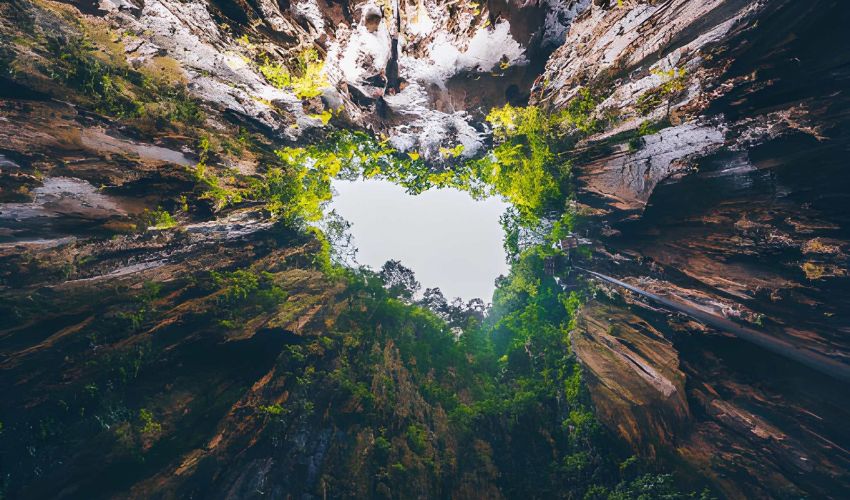
There’s something magical about discovering a place before the rest of the world catches on. That moment when you’re standing in an ancient city with only a handful of other travelers, or watching the sunset over pristine beaches without fighting for space—these are the experiences that stay with you forever.
The truth is, truly undiscovered destinations are becoming rare. But here’s what I’ve learned after years of seeking out lesser-known spots: the world is full of incredible places that remain blissfully under the radar, at least for now. While everyone’s piling into the same Instagram-famous locations, entire regions of extraordinary beauty and culture are waiting to be explored.
In this guide, I’m sharing destinations that offer authentic experiences without the crowds, the markup prices, or the tourist traps. These are places on the cusp—incredible enough to deserve your attention, yet still wonderfully uncommercialised. Let’s dive in before the secret gets out.
What Actually Makes a Destination a “Hidden Gem”?
Before we explore specific destinations, let’s clear something up. A hidden gem isn’t the Eiffel Tower at sunrise or a “secret” beach that has 50,000 Instagram posts. Real hidden gems share these characteristics:
- Limited tourist infrastructure: Few international hotel chains, locally-owned accommodations dominate
- Authentic local culture: Daily life hasn’t been significantly altered by tourism
- Accessibility challenges: Not necessarily difficult to reach, but requires more planning than mainstream destinations
- Under-represented online: Limited blog posts, YouTube videos, or social media coverage
- Price advantage: Significantly more affordable than comparable popular destinations
The sweet spot is finding places that balance adventure with reasonable comfort—destinations that surprise and delight without requiring extreme hardship to visit.
Related: Top 10 Travel Destinations for 2026
Untouched Natural Wonders Worth the Journey
Socotra Island, Yemen
Often called the “most alien-looking place on Earth,” Socotra feels like stepping onto another planet. This UNESCO World Heritage site is home to the iconic Dragon’s Blood Trees—umbrella-shaped trees that look like they belong in a sci-fi movie. Despite its otherworldly beauty, political instability in mainland Yemen has kept mass tourism at bay.
What makes it special: Over 30% of Socotra’s plant life exists nowhere else on Earth. The island’s isolation created a unique ecosystem that’s remained largely unchanged for millions of years. White sand beaches, turquoise waters, and limestone caves add to the surreal landscape.
Practical note: Access requires careful planning. Flights operate from Cairo or Abu Dhabi, and you’ll need to join an organized tour for safety reasons. The best time to visit is October through April when conditions are most favorable.
Faroe Islands, Denmark
Tucked between Iceland and Norway, the Faroe Islands offer dramatic cliffs, grass-roofed villages, and some of the most spectacular hiking in Europe—without the Icelandic crowds or prices. These 18 volcanic islands are connected by tunnels and ferries, creating an adventurer’s playground.
Why visit now: Tourism has been slowly growing, but the islands remain delightfully uncommercialized. Local culture is still deeply rooted in fishing and farming traditions, and you’re more likely to encounter sheep than tourists on most hiking trails.
Don’t miss: The sea stacks at Drangarnir, the lake-over-ocean phenomenon at Sørvágsvatn, and the tiny village of Gásadalur with its iconic waterfall cascading into the ocean.
Pantanal, Brazil
Everyone knows the Amazon, but Brazil’s Pantanal offers superior wildlife watching with a fraction of the visitors. This massive wetland—the world’s largest tropical wetland—is home to the highest concentration of wildlife in South America, including jaguars, giant otters, capybaras, and over 650 bird species.
The advantage over the Amazon? The Pantanal’s open landscape makes wildlife much easier to spot. During the dry season (May to September), animals congregate around remaining water sources, creating incredible viewing opportunities.
Insider tip: Stay at a traditional fazenda (ranch) for an authentic experience. Many ranchers have converted portions of their properties into eco-lodges, offering guided wildlife tours by jeep, horseback, or boat.
Cultural & Historic Treasures Flying Under the Radar
Luang Prabang, Laos
While Thailand and Vietnam dominate Southeast Asian itineraries, Laos remains wonderfully overlooked. Luang Prabang, a UNESCO World Heritage city nestled between mountains and the Mekong River, offers ancient Buddhist temples, French colonial architecture, and a pace of life that feels like stepping back in time.
What sets it apart: The daily alms-giving ceremony where hundreds of monks walk silently through streets at dawn is still primarily for locals, not tourists. Night markets sell authentic handicrafts made by hill tribes, and you can learn traditional Lao cooking from local families in their homes.
Beyond the city: Explore the Kuang Si Waterfalls, trek to remote hill tribe villages, or take the slow boat down the Mekong to experience rural Laotian life.
Ghent, Belgium
Everyone flocks to Bruges for medieval charm, but Ghent delivers the same stunning architecture, canals, and history with far fewer tourists. This university city combines a vibrant local scene with remarkably preserved medieval and renaissance buildings.
Why it’s better than Bruges: Ghent is a living city, not a museum piece. Students fill the cafes, locals actually live in the historic center, and prices remain reasonable. The Gravensteen castle, Saint Bavo’s Cathedral (housing the famous Ghent Altarpiece), and the canal-side Graslei are just as photogenic as anything in Bruges.
Local secret: Climb the Belfry tower at sunset for panoramic views of the city without the crowds you’d face in Bruges. Then head to the Vrijdagmarkt square where locals gather at traditional brown cafes.
Essaouira, Morocco
While Marrakech groans under tourist pressure, the coastal town of Essaouira offers a more laid-back Moroccan experience. This fortified fishing port on the Atlantic coast has a bohemian vibe, thanks to its history as an artistic haven and its constant ocean breeze that keeps temperatures comfortable year-round.
The experience: Walk along Portuguese ramparts overlooking the ocean, explore the blue-and-white medina at your own pace, watch fishermen bring in the daily catch, and enjoy some of the best seafood in Morocco at fraction of tourist-trap prices.
Best for: Kitesurfing enthusiasts will find world-class conditions, while culture seekers can explore the annual Gnaoua World Music Festival, which draws far fewer international tourists than other major music events.
Gyeongju, South Korea
Known as “the museum without walls,” Gyeongju was the capital of the ancient Silla Kingdom for nearly 1,000 years. While Seoul dominates Korea tourism, Gyeongju offers stunning temple complexes, royal tombs, and historic sites spread across a manageable, bike-friendly city.
What makes it unique: Grass-covered burial mounds dot the landscape like gentle hills in the middle of the modern city. The Bulguksa Temple and Seokguram Grotto are UNESCO sites that rival anything in Japan or China but with minimal crowds.
Perfect timing: Visit during cherry blossom season (early April) when Gyeongju’s parks and historic sites transform into pink wonderlands, or in autumn (October-November) when the foliage creates spectacular color displays.
Adventure & Off-Grid Experiences for the Brave
Svaneti Region, Georgia
Deep in the Caucasus Mountains, Upper Svaneti feels like medieval Europe preserved in amber. Ancient stone watchtowers punctuate villages where families have lived for generations, while snow-capped peaks create a dramatic backdrop for some of Europe’s best hiking.
The adventure: Multi-day treks take you through alpine meadows, past glacial lakes, and into villages accessible only on foot. The region is also known for its unique polyphonic singing tradition and fearsome hospitality—locals will insist you join them for homemade chacha (grape vodka) and traditional feasts.
Getting there: The main hub is Mestia, reachable by a spectacular (and sometimes white-knuckle) mountain road from Zugdidi or by small plane from Tbilisi. Summer (June-September) offers the best hiking conditions, while winter attracts adventurous backcountry skiers.
Raja Ampat, Indonesia
While Bali drowns in over-tourism, Raja Ampat in eastern Indonesia offers what many consider the world’s best diving and snorkeling in near-pristine conditions. This remote archipelago of over 1,500 islands has the highest marine biodiversity on Earth—75% of all known coral species live here.
Why it’s still hidden: Remoteness is the main barrier. Getting to Raja Ampat requires flights to Sorong in West Papua, followed by ferry rides to the islands. Limited accommodation keeps numbers manageable, and prices are higher than Bali, filtering out budget party tourists.
The payoff: Swimming with manta rays, exploring deserted beaches, kayaking through karst islands straight out of a fantasy novel, and diving reefs that are genuinely pristine. Most visitors describe it as life-changing.
When to Visit: Timing Your Hidden Gem Adventure
| Destination | Best Time to Visit | Why This Timing | What to Avoid |
|---|---|---|---|
| Socotra Island | October – April | Calm seas, ideal weather | May – September (monsoon winds) |
| Faroe Islands | May – September | Warmest weather, longest days | December – February (very dark, stormy) |
| Pantanal | May – September | Dry season, best wildlife viewing | December – March (floods limit access) |
| Luang Prabang | November – February | Cool, dry weather | March – May (very hot, smoky from burning) |
| Essaouira | April – October | Pleasant temperatures, beach weather | No bad time, but winter can be windy |
| Svaneti | June – September | Hiking trails accessible | November – April (heavy snow blocks roads) |
| Raja Ampat | October – April | Best visibility, calmest seas | July – August (rougher seas, some resorts close) |
How to Travel Responsibly to Emerging Destinations
With the privilege of discovering these places before they hit the mainstream comes responsibility. Here’s how to visit hidden gems without ruining them:
Support Local, Not International Chains
Choose locally-owned guesthouses, eat at family restaurants, and book tours with local guides. Your money should benefit the community directly, not leak out to foreign corporations. In places like Luang Prabang or Gyeongju, this also means more authentic experiences and insider knowledge.
Respect Carrying Capacity
Some destinations simply can’t handle mass tourism. If a small island or mountain village is your destination, visit during shoulder season when your impact is distributed more evenly throughout the year. Book accommodations well in advance to avoid overbooking issues that lead to overdevelopment.
Learn Basic Local Phrases
In genuinely off-the-beaten-path destinations, English isn’t always widely spoken. Learning simple greetings, “thank you,” and basic questions in the local language shows respect and opens doors. Download offline translation apps before you arrive.
Leave No Trace, Literally
Pack out everything you pack in. In places with limited infrastructure, improper waste disposal can quickly become a serious problem. Bring reusable water bottles with filtration systems to avoid contributing to plastic waste in areas without recycling facilities.
Think Long-term
Ask yourself: “Would I want 1,000 people doing exactly what I’m doing here?” If the answer is no, reconsider. The goal is to enjoy these places in ways that ensure they remain special for future travelers and, more importantly, for the locals who call them home.
Related: The Evolution of Travel in 2025
Practical Tips for Planning Your Hidden Gem Adventure

Research Beyond the First Google Page
Information on true hidden gems requires digging. Look for blogs by locals, search travel forums for recent trip reports, and don’t rely solely on mainstream guidebooks. Facebook groups dedicated to specific regions often have the most current information.
Build in Extra Time
Transportation in less-developed areas runs on “local time.” Buses might leave when full rather than on schedule, boats depend on weather and tides, and roads can be rough. What looks like a 3-hour journey on Google Maps might take 6 hours in reality. Budget extra days in your itinerary for flexibility.
Prepare for Limited Connectivity
Many hidden gems have spotty internet and limited cell service. Download offline maps, save important information as screenshots, and let people know your rough itinerary. This forced digital detox is often a blessing in disguise.
Travel Insurance is Non-Negotiable
Remote destinations mean potential medical facilities are far away. Comprehensive travel insurance with emergency evacuation coverage is essential. Verify that your policy covers the specific activities you’re planning, especially if adventure sports are involved.
The Window is Closing: Why Visit Now
Social media has accelerated the discovery-to-overtourism cycle dramatically. What once took decades now happens in a few years. The Faroe Islands have seen visitor numbers triple since 2010. Albania’s tourism grew 100% between 2019 and 2024. Raja Ampat is building more resorts every year to meet growing demand.
This isn’t about gatekeeping—these destinations deserve tourism revenue and the economic opportunities it brings. But there’s something irreplaceable about experiencing a place before it fundamentally changes to accommodate mass tourism. Before the family-run guesthouses are replaced by all-inclusive resorts. Before the hiking trails require permits and reservations. Before every angle has been photographed a million times.
The destinations in this guide represent that perfect moment: developed enough to visit comfortably, yet authentic enough to offer genuine cultural immersion and natural beauty without the crowds.
Your Hidden Gem Awaits
The world’s best travel experiences aren’t found by following everyone else—they’re discovered by those willing to venture beyond the obvious choices. Whether you’re drawn to the alien landscapes of Socotra, the medieval charm of Ghent, or the underwater wonders of Raja Ampat, these hidden gems offer something increasingly rare: authentic experiences in spectacular settings.
The question isn’t whether these places will become popular—many inevitably will. The question is whether you’ll experience them before that transformation happens. The window is open now. Choose your destination, do your research, plan responsibly, and go discover what the crowds haven’t found yet.
Because one day soon, these hidden gems won’t be hidden anymore. And you’ll be glad you visited when you did.