


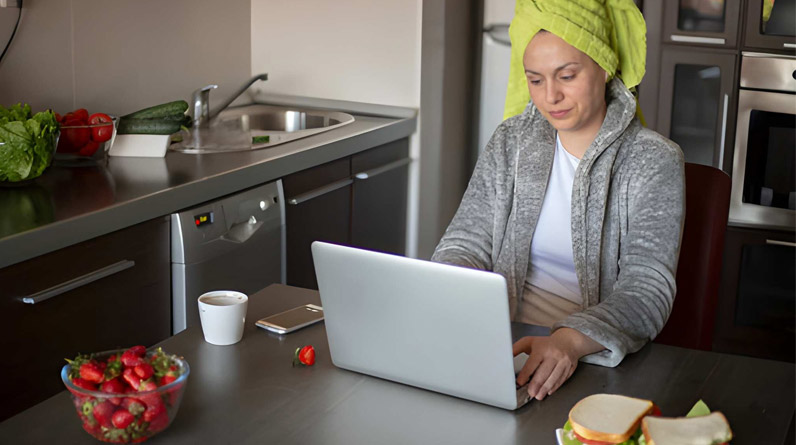
Remote work promised us freedom—no commute, flexible schedules, and the comfort of working in our pajamas. Yet, many remote workers find themselves struggling with blurred boundaries, declining physical health, and a nagging sense of burnout that creeps in unexpectedly.
The paradox is real: while we’ve gained time and flexibility, we’ve also lost the natural structure that office life provided. That morning commute? It was actually a transition ritual. Those water cooler conversations? They were social connection points. That physical separation between desk and home? It created a mental boundary we didn’t know we needed.
Building healthy routines isn’t about recreating office life at home—it’s about designing intentional habits that support your physical health, mental wellness, and sustainable productivity. This guide provides actionable strategies backed by research and real remote worker experiences to help you thrive, not just survive, while working from home.
Why Healthy Routines Matter More Than Ever
Before diving into specific practices, it’s essential to understand why routines are particularly critical for remote workers. The stakes are higher than you might think.
The Science Behind Structure
Our brains crave predictability. Routines reduce the cognitive load of decision-making, freeing up mental energy for creative and strategic work. When you establish consistent patterns, you’re essentially creating autopilot systems that conserve willpower for tasks that truly matter.
Research shows that remote workers without structured routines are 40% more likely to experience burnout symptoms compared to those with established daily patterns. The absence of external structure means we must become architects of our own days—a responsibility that requires intention and planning.
The Health Cost of Poor Remote Work Habits
The transition to remote work has revealed concerning health trends:
- Sedentary behavior increase: Remote workers move 30% less than office workers, contributing to cardiovascular risks and musculoskeletal problems
- Sleep disruption: 65% of remote workers report irregular sleep schedules, impacting cognitive function and immune health
- Social isolation: Loneliness among remote workers has increased significantly, affecting mental health and job satisfaction
- Overworking epidemic: Remote employees work an average of 3 additional hours per day without clear boundaries
These aren’t just statistics—they represent real health consequences that compound over time. The good news? Intentional routines can reverse these trends.
The Foundation: Building Your Morning Ritual
Your morning sets the trajectory for your entire day. A rushed, reactive morning creates a scattered, stressful day. A intentional, nourishing morning creates focus and resilience.
The Power of a True Wake-Up Time
Just because you don’t have a commute doesn’t mean you should wake up 10 minutes before your first meeting. This is one of the most common mistakes new remote workers make—and it sabotages everything else.
Establish a consistent wake-up time that gives you at least 60-90 minutes before you need to start work. This isn’t wasted time; it’s investment time. Your brain needs space to transition from sleep to productivity without the jarring shock of immediate work demands.
Why this works: Consistent wake times regulate your circadian rhythm, improving sleep quality, hormone balance, and cognitive performance. Even on weekends, try to stay within an hour of your weekday schedule.
The Non-Negotiable Morning Elements
Your morning routine should include these core components, customized to your preferences:
- Hydration first: Drink 16-20 ounces of water before coffee to rehydrate your body and kickstart metabolism
- Physical movement: Even 10 minutes—stretching, yoga, a walk, or light exercise signals to your body that the day has begun
- Mindful nourishment: Eat a protein-rich breakfast away from screens to ground yourself in the present
- Mental preparation: Journal, meditate, or simply sit with your coffee while reviewing your intentions for the day
- Personal hygiene: Shower and dress as if you’re going somewhere, even if it’s just to your home office
The Psychological Shift of “Getting Ready”
There’s legitimate psychology behind the advice to get dressed for work. When you stay in sleepwear, your brain remains in rest mode. The act of changing clothes serves as a cognitive trigger that shifts you into work mode. You don’t need to wear business formal, but choose clothes that make you feel capable and professional—even if no one else will see you.
One remote designer shared: “I used to think working in pajamas was the dream. After two months, I realized I felt sluggish and unmotivated. Now I have ‘work clothes’ that are comfortable but intentional. It sounds silly, but it completely changed my productivity and mental state.”
Physical Health Strategies That Actually Work
Remote work’s biggest physical health challenge is the dramatic reduction in daily movement. Office workers naturally accumulate thousands of steps—walking to meetings, the parking lot, the cafeteria, colleagues’ desks. Remote workers can go entire days with fewer than 1,000 steps.
The Movement Integration Framework
Rather than thinking of exercise as something separate from work, integrate movement throughout your day using these practical strategies:
| Time Block | Movement Strategy | Duration | Benefit |
|---|---|---|---|
| Morning (Pre-work) | Walk, yoga, or workout | 20-30 minutes | Energy boost, mental clarity |
| Mid-morning | Desk stretches, standing work | 5-10 minutes | Reduces stiffness, maintains focus |
| Lunch Break | Walk outside | 15-30 minutes | Vitamin D, mental reset, digestion |
| Mid-afternoon | Movement snack (squats, stairs) | 5 minutes | Combats afternoon slump |
| End of day | Transition walk or exercise | 20-45 minutes | Work-life separation, stress relief |
The 20-20-20 Rule for Eye Health
Screen fatigue is a genuine health concern for remote workers. Digital eye strain causes headaches, blurred vision, and difficulty concentrating. The 20-20-20 rule is your defense:
Every 20 minutes, look at something 20 feet away for 20 seconds.
Set a gentle timer or use apps like Stretchly to remind you. This simple practice reduces eye strain by 50% and serves as a mini-break for your brain as well.
Ergonomics: Your Long-Term Health Investment
A makeshift workspace might seem fine initially, but poor ergonomics compound into chronic pain over time. You don’t need an expensive setup—you need intentional adjustments:
- Monitor at eye level: Top of screen should be at or slightly below eye level, about arm’s length away
- Chair support: Lower back support is critical. Use a cushion if your chair lacks lumbar support
- Keyboard and mouse position: Elbows should be at 90 degrees, wrists neutral (not bent up or down)
- Feet flat: Feet should rest flat on the floor or a footrest
- Alternate positions: Consider a standing desk converter or work from different locations occasionally
If budget allows, invest in an ergonomic chair and external monitor—these are health investments, not luxuries. Chronic back, neck, and wrist pain can derail your career and quality of life.
Nutrition Without Constant Grazing
Unlimited kitchen access is both a blessing and a curse. Without the natural structure of bringing lunch or eating in a cafeteria, many remote workers find themselves either snacking constantly or forgetting to eat entirely.
Strategies that work:
- Meal prep like you commute: Continue Sunday meal prep if that worked for you pre-remote work
- Schedule eating times: Block calendar time for lunch and snacks—treat them as unmovable meetings
- Smart snack staging: Keep fruit, nuts, and healthy options visible; store tempting junk food out of sight
- Hydration tracking: Keep a water bottle at your desk and set consumption goals (refill 3-4 times daily)
- Kitchen boundaries: Consider your kitchen “off limits” during certain work hours except for planned breaks
Mental Wellness: The Often-Neglected Priority

Physical health gets attention, but mental wellness is equally critical for sustainable remote work. The psychological challenges of working from home are real and deserve proactive management.
Creating Psychological Boundaries
When your bedroom is 20 feet from your desk, how do you truly “leave” work? The answer lies in intentional transition rituals—psychological bookends that signal the beginning and end of your workday.
Start-of-day rituals:
- Morning walk around the block (simulating a commute)
- Lighting a candle at your desk
- Playing a specific playlist
- Reviewing your daily intentions or goals
End-of-day rituals:
- Shutting down your computer (not just closing it)
- Physically leaving your workspace and closing the door
- Changing clothes
- Going for an “exit walk”
- Writing tomorrow’s top 3 priorities and closing your notebook
These rituals might feel artificial at first, but they’re training your brain to switch modes. Consistency is what makes them powerful.
The Dedicated Workspace Principle
Working from bed or your couch seems comfortable, but it erodes the psychological separation between rest and work. Your brain forms associations with physical spaces—when you work from your bed, you’re teaching your brain that your bed is a work zone, which can disrupt sleep and relaxation.
Create a dedicated workspace, even if it’s just a specific corner of a room. This space should:
- Be used exclusively for work (not for watching TV or casual browsing)
- Have adequate lighting, preferably natural light
- Be organized and free from domestic clutter
- Include personal touches that inspire you (plants, photos, art)
- Be separate from your bedroom if possible
If space is limited, use visual or physical dividers—a room screen, a specific desk lamp you only turn on for work, or even just a special work-only mouse pad.
Combat Social Isolation Intentionally
Humans are social creatures, and the absence of casual workplace interactions affects us more than we realize. The watercooler chats, lunch conversations, and quick desk drop-bys provided social nutrients we didn’t know we needed until they disappeared.
Proactive connection strategies:
- Schedule virtual coffee chats: 15-minute informal video calls with colleagues—not about work
- Use communication tools thoughtfully: Don’t just send work updates; share wins, frustrations, or funny moments
- Join remote worker communities: Online communities or local co-working spaces for occasional in-person work
- Maintain friendships actively: Schedule regular calls or meetups with friends—don’t wait for spontaneous plans
- Consider co-working days: If possible, work alongside others occasionally, even if you’re working on different projects
Social isolation is sneaky—you often don’t notice its impact until it’s already affecting your mood and motivation. Be proactive, not reactive.
Mindfulness and Stress Management
Remote work can paradoxically increase stress despite its flexibility. Without the physical separation of leaving an office, work stress can permeate your home environment.
Incorporate these evidence-based practices:
- Micro-meditation: 2-3 minutes of deep breathing between tasks or meetings
- Mindful transitions: Pause for 30 seconds before starting a new task to center yourself
- Gratitude practice: End each workday by noting three things that went well
- Digital sunset: Stop checking work communications 1-2 hours before bed
- Nature exposure: Spend time outside daily, even if it’s just 10 minutes on a balcony or porch
Productivity Strategies for Sustainable Performance
Healthy routines aren’t just about wellness—they’re about sustainable productivity that doesn’t lead to burnout. Here’s how to work smarter, not just harder.
The Realistic To-Do List Approach
One of the biggest productivity killers is the overwhelming to-do list. When you write down 20 tasks for a single day, you’re setting yourself up for failure and the demoralization that follows.
The 3-5-1 method:
- 3-5 tasks: These are your actionable items for the day—specific, completable tasks
- 1 priority: Of those tasks, one is your non-negotiable—if you accomplish only one thing today, this is it
This approach makes your day manageable and allows you to feel accomplished rather than perpetually behind. Incomplete tasks roll to tomorrow, not today’s failure.
Time Blocking and Energy Management
Remote work offers flexibility, but freedom without structure leads to chaos. Time blocking—assigning specific time slots to specific tasks—creates focus and prevents the day from slipping away in reactive mode.
Energy-aligned time blocking:
- Peak hours (usually morning): Deep work requiring creativity and complex thinking
- Mid-day: Meetings, collaborative work, administrative tasks
- Afternoon slump: Routine tasks, email processing, or take a strategic break
- Second wind (if applicable): Creative work or personal projects
Track your personal energy patterns for a week—you might discover you’re a night owl trying to force morning productivity, or vice versa. Work with your biology, not against it.
The Deep Work State: Protecting Your Focus
Research shows it takes 20-25 minutes to fully return to a focused state after an interruption. In a world of notifications, messages, and open browser tabs, protecting your attention is a competitive advantage.
Creating conditions for deep work:
- Notification elimination: Turn off all non-essential notifications during focus blocks
- Phone quarantine: Put your phone in another room or in a drawer
- Single-tasking: Close all browser tabs except what you need for your current task
- Music for focus: If it helps, use instrumental music or ambient sounds to create a concentration bubble
- Batch distractions: Schedule specific times to check email and messages rather than responding reactively
Consider using techniques like the Pomodoro method—25 minutes of focused work followed by a 5-minute break—to build your concentration stamina over time.
The Break Paradox: Rest to Perform
Counterintuitively, taking more breaks can increase productivity. Your brain isn’t designed for continuous focus—it needs oscillation between effort and recovery.
Strategic break practices:
- Hourly micro-breaks: 2-3 minutes to stand, stretch, look away from screens
- Mid-morning and afternoon breaks: 10-15 minutes for a genuine mental reset
- Lunch as a real break: Step away from your computer, eat mindfully, ideally outside
- Movement breaks: Physical activity during breaks amplifies recovery—walk, stretch, do squats
Resist the temptation to “power through” when you’re stuck or tired. A 10-minute walk often solves problems that two hours of frustrated effort couldn’t.
Avoiding the Dark Side: Common Remote Work Pitfalls
Understanding what not to do is as important as knowing what to do. These are the traps that ensnare even experienced remote workers.
The Overworking Epidemic
Without the physical act of leaving an office, remote workers often struggle to stop working. The laptop is always there, the boundary is blurry, and “just one more thing” turns into three more hours.
Warning signs you’re overworking:
- Regularly working beyond your scheduled hours
- Checking email or Slack late at night or on weekends
- Feeling guilty when you stop working at your designated time
- Skipping breaks or working through lunch consistently
- Not using PTO or working during vacation (“quiet vacationing”)
Boundary enforcement strategies:
- Set and communicate clear working hours to colleagues and clients
- Use calendar blocking to protect non-work time
- Create an “office closed” ritual (physically closing your laptop, shutting a door)
- Remove work apps from your phone or use app timers
- Track your hours honestly for a week—you might be shocked
The Screen Overload Trap
After eight hours of video calls and computer work, many remote workers “relax” by watching Netflix or scrolling social media. You’re trading one screen for another, and your brain and eyes pay the price.
Screen-free evening activities:
- Reading physical books
- Cooking or meal prep
- Exercise or yoga
- Hands-on hobbies (drawing, crafts, puzzles, instruments)
- Outdoor activities (walking, gardening)
- Quality time with family or roommates without devices
Set a “digital sunset” time—an hour before bed when all screens go off. Your sleep quality will thank you.
The Isolation Spiral
Social isolation happens gradually. You get into a groove working alone, it becomes comfortable, and before you realize it, you’ve gone days without meaningful human interaction beyond transactional work communications.
Combat this by making social connection a scheduled priority, not something that happens “when you have time.” Treat coffee dates with friends or virtual hangouts with colleagues as important as client meetings.
Creating Your Personalized Routine Blueprint
There’s no one-size-fits-all routine for remote workers. The key is creating a system that aligns with your life circumstances, work demands, energy patterns, and personal preferences.
The Routine Design Process
Step 1: Audit your current reality
Track your current routine for one week without judgment. Note when you wake up, work patterns, meal times, breaks, exercise, social interaction, and when you stop working. Identify what’s working and what’s creating problems.
Step 2: Identify your non-negotiables
Based on everything you’ve learned, what are your must-have elements? These might include:
- Wake time and morning routine components
- Movement requirements (timing and type)
- Work hour boundaries
- Essential breaks
- Social connection frequency
- Evening wind-down ritual
Step 3: Design your ideal day
Map out your perfect workday from wake to sleep. Be realistic—this isn’t a fantasy schedule but an aspirational yet achievable blueprint.
Step 4: Implement gradually
Don’t overhaul everything at once. Choose 2-3 high-impact changes to implement first. Once those become habitual (usually 3-4 weeks), add more elements.
Step 5: Review and adjust monthly
Your ideal routine will evolve with seasons, projects, and life circumstances. Monthly check-ins help you stay aligned with what’s working.
Sample Routine Framework (Customizable Template)
Early Morning (6:00-8:00 AM):
- Wake at consistent time
- Hydrate
- Movement (walk, yoga, workout)
- Mindful breakfast
- Morning pages or meditation
- Shower and dress
Work Block 1 (8:00-12:00 PM):
- Review daily priorities
- Deep work on Priority #1
- Mid-morning break (10:00 AM)
- Continue focused work or meetings
Midday Break (12:00-1:00 PM):
- Lunch away from desk
- Walk outside
- Brief household task if needed
Work Block 2 (1:00-5:00 PM):
- Meetings and collaborative work
- Mid-afternoon break (3:00 PM)
- Administrative tasks and email
- Tomorrow’s planning
Evening Transition (5:00-6:00 PM):
- End-of-day ritual (close laptop, exit walk)
- Change clothes
- Exercise or outdoor time
Personal Time (6:00-10:00 PM):
- Dinner preparation and eating
- Social connection (calls, time with family)
- Hobbies and screen-free activities
- Evening wind-down routine
- Consistent bedtime
Adjust these times based on your work requirements and personal chronotype. Night owls might shift everything later; early birds might start earlier.
Troubleshooting Common Routine Challenges
“I have back-to-back meetings—how can I take breaks?”
Block 5-10 minutes before or after meetings for transitions. If you can’t control your schedule, end video calls 5 minutes early to create space, or schedule meetings at :05 or :25 past the hour instead of on the hour.
“My work is unpredictable—routines don’t work for me”
Focus on anchor routines—non-negotiable elements that happen regardless of work chaos. Morning routine, lunch break, and end-of-day ritual can remain consistent even when work hours flex.
“I lack motivation to stick to routines”
Start ridiculously small. Don’t overhaul everything at once. Pick one habit (morning walk, consistent wake time) and master it before adding more. Use external accountability—tell a friend or partner about your commitment.
“I feel guilty taking breaks or stopping at 5 PM”
Reframe rest as a productivity tool, not laziness. Research shows well-rested workers are more creative, make better decisions, and are more productive. You’re not being virtuous by overworking—you’re creating unsustainable patterns that lead to burnout.
Conclusion: From Surviving to Thriving Remotely
Healthy routines for remote workers aren’t about rigid discipline or eliminating all flexibility. They’re about creating intentional structure that supports your physical health, mental wellness, and sustainable productivity.
The remote work model isn’t going anywhere—it’s the future of how millions of people will work for decades to come. The question isn’t whether you’ll work remotely, but whether you’ll do it in a way that enhances or diminishes your quality of life.
Start with one change today. Maybe it’s setting a consistent wake time. Maybe it’s taking a real lunch break. Maybe it’s establishing an end-of-day ritual. Small changes compound into transformative results over time.
Remember that routines are personal—what works for one remote worker might not work for you. Give yourself permission to experiment, adjust, and create a system that fits your unique life. The goal isn’t perfection; it’s progress toward a sustainable, healthy, and fulfilling remote work experience.
Your home office can be a place of creativity, productivity, and wellness—but only if you design it that way through intentional daily habits. Start building your healthy remote work routine today, and your future self will thank you.