



Your bathroom shelf is lined with cleansers, serums, and moisturizers. You follow influencers religiously and invest in the latest trending products. Yet somehow, your skin still isn’t cooperating. Sound familiar?
Here’s the truth: achieving healthy, radiant skin isn’t about having the most expensive products or the longest routine. According to dermatologists, most of us are making simple, everyday mistakes that quietly undermine our efforts, leading to irritation, breakouts, and premature aging without us even realizing it.
The good news? These mistakes are incredibly easy to fix once you know what to look for. In this comprehensive guide, we’ll walk through the most common skincare errors experts see in their practices, backed by scientific research and dermatologist-approved solutions. Let’s transform your routine from working against your skin to working with it.
The Foundation Mistakes: Getting the Basics Wrong
1. Misidentifying Your Skin Type
Before you can choose the right products, you need to know your skin. Yet research published in the Journal of Clinical and Aesthetic Dermatology reveals a startling fact: approximately 60% of people incorrectly identify their skin type. This fundamental error leads to using unsuitable products that can exacerbate existing issues rather than solve them.
Why this happens: Many people confuse temporary skin conditions with their actual skin type, or rely on outdated assessments from years ago.
The impact: Using harsh products on sensitive skin, applying heavy creams to oily skin, or skipping essential hydration for combination types can trigger a cascade of problems including irritation, clogged pores, and compromised skin barriers.
The fix: Perform this simple at-home test to accurately determine your skin type:
- Wash your face with a gentle cleanser and pat dry
- Wait 30 minutes without applying any products
- Observe your skin carefully for shine, pore size, tightness, flakiness, or irritation
- Ask yourself: Does my T-zone shine? Do I feel tight or see flakes? Are my pores enlarged? Does my skin react easily?
If you’re still uncertain, consult a board-certified dermatologist for a professional assessment. Remember, your skin type can change with age, climate, and hormonal shifts, so reassess periodically.
2. Over-Cleansing and Harsh Product Choices
There’s a persistent myth that “squeaky clean” equals healthy skin. In reality, that tight, stripped feeling after washing is your skin crying for help. Over-cleansing removes the natural oils that protect your skin barrier, triggering your skin to produce even more oil to compensate.
The mistake: Washing your face more than twice daily, using foaming cleansers with sulfates, or choosing products with alcohol and harsh fragrances.
What happens: Your skin barrier weakens, leading to dryness, sensitivity, increased breakouts, and accelerated aging. Paradoxically, people with oily skin who over-cleanse often end up with even oilier skin.
The dermatologist-approved solution:
- Cleanse only twice daily—morning and evening
- Choose gentle, pH-balanced cleansers with moisturizing ingredients like hyaluronic acid, glycerin, or ceramides
- Avoid products containing sulfates, alcohol, and strong fragrances
- Use lukewarm water, never hot, as heat strips natural oils
- If you wear makeup, double cleanse at night: start with an oil-based cleanser or micellar water, then follow with your regular gentle cleanser
Pro tip: Wash your face after brushing your teeth, not before. Toothpaste residue left on your skin can cause perioral dermatitis, those annoying red bumps around your mouth.
The Hydration and Protection Failures
3. Skipping Moisturizer on Oily or Acne-Prone Skin
This might be the most counterintuitive fix on this list, but it’s also one of the most important: oily and acne-prone skin desperately needs moisturizer.
The myth: “My skin is already oily, so moisturizer will make me break out.”
The reality: When you skip moisturizer, your skin’s barrier becomes dry and fractured. Your skin responds by producing even more oil to compensate, creating a vicious cycle. A compromised barrier also makes your skin more vulnerable to bacteria and inflammation, leading to more breakouts, not fewer.
The solution:
- Choose lightweight, non-comedogenic, oil-free, or gel-based moisturizers
- Look for formulations with hyaluronic acid, niacinamide, or glycerin that provide hydration without heaviness
- Apply moisturizer twice daily, even on days when your skin feels oily
- If needed, use a hydrating serum underneath for an extra moisture boost without greasiness
Proper moisturization actually helps regulate oil production, improves skin texture, and creates a healthier, more resilient barrier that can better fight acne-causing bacteria.
4. Treating Sunscreen as Optional
If you could make only one change to your skincare routine, dermatologists unanimously agree: wear sunscreen every single day.
The devastating truth: Up to 80% of UV rays penetrate through clouds, and UVA rays pass right through windows. That means even on overcast days or when you’re working indoors all day, your skin is accumulating UV damage that leads to premature aging, hyperpigmentation, and increased skin cancer risk.
Common excuses (and why they don’t hold up):
| Excuse | Reality |
|---|---|
| “It’s cloudy today” | 80% of UV rays still reach your skin |
| “I’m staying inside” | UVA rays penetrate windows and cause aging |
| “I have dark skin” | All skin types need UV protection; melanin isn’t enough |
| “Sunscreen breaks me out” | Modern mineral formulas are non-comedogenic |
| “It leaves a white cast” | Tinted mineral sunscreens blend seamlessly |
The non-negotiable fix:
- Apply broad-spectrum SPF 30 or higher every morning as the final step in your routine
- Use a quarter-sized dollop or two finger lengths’ worth for your face
- Don’t forget your neck, décolletage, and hands—these areas show aging first
- Apply 20 minutes before sun exposure for optimal protection
- Reapply every 2 hours when outdoors, especially if sweating or swimming
- Consider tinted mineral sunscreens with zinc oxide or titanium dioxide for sensitive skin
Dermatologists emphasize this point: if you’re investing thousands in anti-aging treatments or lasers but skipping daily SPF, you’re literally wasting your money. Sun protection is the most effective anti-aging product you can use.
The Exfoliation and Active Ingredient Pitfalls
5. The Over-Exfoliation Trap
Social media has convinced many of us that more exfoliation equals better skin. The reality? Over-exfoliating is one of the fastest ways to damage your skin barrier and cause long-term problems.
What over-exfoliation looks like:
- Using physical scrubs daily or multiple times per week
- Combining multiple chemical exfoliants (AHAs, BHAs, PHAs) in the same routine
- Using exfoliating acids at too-high concentrations
- Exfoliating while also using retinoids without proper spacing
The damage: Redness, irritation, increased sensitivity, compromised barrier function, paradoxical breakouts, and accelerated aging.
The balanced approach:
- Limit exfoliation to 2-3 times weekly maximum
- Choose gentle acids like lactic acid or mandelic acid over harsh physical scrubs
- Never use multiple exfoliants on the same day
- If using retinoids, reduce exfoliation frequency or skip it entirely
- Listen to your skin—if it’s irritated, pull back immediately
Remember: your skin naturally sheds dead cells. Exfoliation should support this process, not force it into overdrive.
6. Misusing Retinoids and Active Ingredients
Retinoids are powerhouse ingredients for wrinkles, acne, and overall skin health. But with great power comes great potential for irritation if you don’t use them correctly.
Common retinoid mistakes:
- Applying too much product (more than a pea-sized amount)
- Starting with daily use instead of building tolerance
- Using high-strength formulas as a beginner
- Skipping moisturizer after application
- Combining with other irritating actives like vitamin C or AHAs
The smart retinoid strategy:
- Start with adapalene 0.1% (like Differin)—it’s the least irritating retinoid and works well for sensitive and acne-prone skin
- Use only a pea-sized amount for your entire face
- Begin with 2-3 nights per week, gradually increasing to nightly as your skin adapts
- Always apply moisturizer after your retinoid to minimize dryness
- Use retinoids at night only; they can increase sun sensitivity
- Separate incompatible actives—use vitamin C in the morning, retinoids at night
7. Mixing Incompatible Ingredients
Not all skincare ingredients play well together. Layering incompatible actives can reduce effectiveness, cause irritation, or even destabilize the products entirely.
Common problematic combinations:
| Ingredient 1 | Ingredient 2 | Problem | Solution |
|---|---|---|---|
| Retinol | Vitamin C | Can irritate when combined | Use C in AM, retinol in PM |
| AHAs/BHAs | Retinoids | Excessive irritation and peeling | Alternate nights or use acids in AM |
| Niacinamide | Vitamin C (at low pH) | May reduce effectiveness | Separate by time or pH levels |
| Benzoyl Peroxide | Retinol | Can deactivate retinol | Use BP in AM, retinol in PM |
The fix: Learn basic ingredient compatibility, space out your actives strategically, and when in doubt, use one active at a time until you understand your skin’s tolerance.
The Application and Routine Mistakes
8. Applying Products in the Wrong Order
Even the best products can’t work effectively if you apply them in the wrong sequence. Product absorption depends heavily on texture and molecular size.
The correct order (from thinnest to thickest):
- Cleanser
- Toner (if using)
- Water-based serums (like vitamin C or hyaluronic acid)
- Oil-based serums or treatments
- Eye cream
- Moisturizer
- Sunscreen (AM only, always last)
- Facial oils (if using, goes last in PM)
Why order matters: Thick products create a barrier that prevents lighter serums from penetrating. Applying sunscreen before moisturizer reduces SPF effectiveness. Layering correctly ensures each product can do its job.
Pro tip: Wait 30-60 seconds between layers to allow each product to absorb properly, especially before applying sunscreen.
9. Sleeping with Makeup On
We’ve all been there—exhausted after a long day, convinced that one night won’t matter. But sleeping in makeup is essentially giving your pores an eight-hour suffocation session.
What happens overnight:
- Makeup mixes with oil, sweat, and environmental pollutants, creating a pore-clogging cocktail
- Your skin can’t complete its natural overnight repair process
- Free radicals from makeup and pollution accelerate aging
- Eye makeup can cause infections and irritation
- Your pillowcase becomes a breeding ground for bacteria
The effortless solution:
- Keep micellar water and cotton pads on your nightstand for lazy nights
- Use cleansing balms or oils that melt makeup off without harsh rubbing
- Double cleanse: first with an oil-based cleanser to remove makeup, then with your regular cleanser to clean skin
- Avoid makeup wipes as your only cleansing step—they leave residue and cause tugging on delicate skin
Make a rule: no matter how tired you are, at minimum use micellar water on a cotton pad. Your future skin will thank you.
10. Rough Handling and Aggressive Application
Your facial skin is delicate. Treating it roughly accelerates aging and causes unnecessary irritation.
Common rough habits:
- Rubbing your face dry with a towel instead of patting
- Pulling and tugging when applying products or removing makeup
- Using rough washcloths or scrubbing motions
- Applying pressure when using makeup wipes
- Rubbing eyes aggressively
The gentle approach:
- Pat your face dry with a soft, clean towel using gentle pressing motions
- Apply products using light, upward strokes
- Use your ring finger (your weakest finger) when applying eye products
- Press and smooth rather than rub and pull
- Let cleansing balms sit and dissolve makeup before wiping
The Lifestyle and Mindset Mistakes
11. Product Hopping and Impatience
In our instant-gratification culture, we expect skincare to work overnight. When it doesn’t, we abandon ship and try the next trending product. This constant switching prevents you from ever seeing real results.
The reality of skin cell turnover: Your skin takes approximately 28 days to complete one full cell cycle (longer as you age). Most products need 4-6 weeks minimum to show visible results. Some ingredients, like retinoids for anti-aging, can take 3-6 months to reveal their full benefits.
The patience protocol:
- Commit to new products for at least 6-8 weeks before evaluating effectiveness
- Take progress photos weekly to track subtle changes you might miss day-to-day
- Introduce only one new product at a time so you can identify what’s actually working
- Keep a simple skincare journal noting when you started products and any reactions
- Resist the urge to buy every trending product—stick to your routine
Exception: If a product causes immediate irritation, burning, or an allergic reaction, discontinue use right away. But if you’re just “not seeing results” after two weeks, you’re being impatient, not proactive.
12. Ignoring Lifestyle Factors
You can have a perfect skincare routine, but if your lifestyle is working against you, you’ll never achieve your skin goals. Healthy skin is an inside-out job.
Critical lifestyle factors affecting your skin:
| Factor | Impact on Skin | What to Do |
|---|---|---|
| Sleep | Insufficient sleep (less than 7-8 hours) increases cortisol, leading to inflammation and breakouts | Prioritize consistent 7-8 hour sleep schedule |
| Hydration | Dehydration shows up as dull, tight, flaky skin | Drink adequate water throughout the day |
| Diet | High sugar and processed foods trigger inflammation and acne | Focus on fruits, vegetables, whole grains, and omega-3s |
| Stress | Chronic stress triggers cortisol spikes that worsen acne, eczema, and psoriasis | Practice stress management techniques regularly |
| Exercise | Movement increases circulation and promotes healthy skin cell turnover | Regular physical activity, even walking |
The holistic approach: Track your lifestyle habits alongside your skincare routine. You might discover that your breakouts correlate with poor sleep, or your dullness appears during high-stress weeks. This awareness allows you to address root causes, not just symptoms.
13. Neglecting Patch Testing and Gradual Introduction
We get it—you’re excited about that new serum everyone’s raving about. But slathering it all over your face immediately is a recipe for disaster.
Why patch testing matters: Even products formulated for sensitive skin or labeled “dermatologist-tested” can cause individual reactions. Your skin is unique, and what works for thousands might not work for you.
The proper patch test protocol:
- Apply a small amount of product to your inner forearm or behind your ear
- Wait 24-48 hours and monitor for redness, itching, or irritation
- If no reaction occurs, apply to a small area of your face (like your jawline) for another 2-3 days
- Only then, if all is well, incorporate into your full routine
- Introduce only ONE new product at a time, waiting 1-2 weeks before adding another
This methodical approach means if you do react, you’ll know exactly which product caused the problem. Skip this step, introduce five new products at once, and you’ll have no idea what triggered that sudden breakout.
The Often-Forgotten Mistakes
14. Ignoring Your Neck, Hands, and Décolletage
Your face might look flawless, but if you’re neglecting your neck, hands, and chest, these areas will betray your age long before your face does.
Why these areas age faster: The skin on your neck and hands is thinner, has fewer oil glands, and receives constant sun exposure. These factors combine to create the perfect storm for premature aging, wrinkles, and sun spots.
The comprehensive approach:
- Extend every product you apply to your face down to your neck and décolletage
- Apply sunscreen to your hands every single day, reapplying after hand washing
- Consider neck-specific serums with peptides and retinol for extra support
- Use the same gentle techniques—pat and press, don’t pull and tug
- When applying sunscreen, go all the way down to your collarbone
Think of your neck and décolletage as an extension of your face, not an afterthought. This simple mindset shift ensures consistent care.
15. Choosing Products Based on Hype Instead of Ingredients
That $200 serum all over your Instagram feed might be in a beautiful bottle with compelling marketing, but is it actually effective for your skin concerns?
The marketing trap: Skincare is a multi-billion dollar industry that thrives on FOMO, celebrity endorsements, and trend cycles. Price tags and packaging don’t correlate with efficacy. Some of the most effective products are affordable drugstore options.
The informed consumer approach:
- Learn to read ingredient lists—active ingredients should appear in the first 5-7 ingredients
- Research the concentration of actives, not just their presence (a product with 0.1% vitamin C is essentially useless)
- Look for clinical studies and scientific backing, not influencer testimonials
- Understand that “clean,” “natural,” and “organic” don’t automatically mean better or safer
- Focus on what your skin actually needs based on your specific concerns
- Remember that expensive doesn’t equal effective—many dermatologists recommend affordable brands like CeraVe, Cetaphil, and La Roche-Posay
A $15 moisturizer with the right ingredients for your skin will always outperform a $150 one that doesn’t meet your needs.
Building Your Corrected Skincare Routine
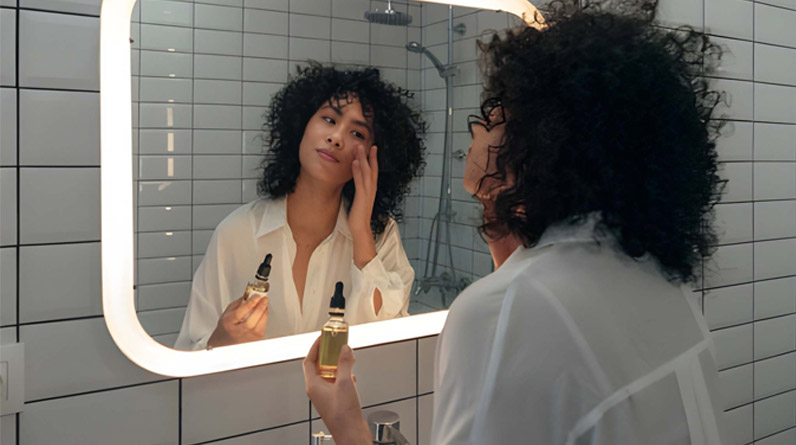
Now that you know what to avoid, let’s build a simplified, effective routine that actually works.
The Essential Morning Routine
- Gentle cleanser (lukewarm water, pH-balanced formula)
- Antioxidant serum (like vitamin C for environmental protection)
- Hydrating serum or essence (if needed for extra moisture)
- Lightweight moisturizer (appropriate for your skin type)
- Sunscreen SPF 30+ (non-negotiable, applied generously)
The Essential Evening Routine
- Oil-based cleanser or micellar water (to remove makeup and sunscreen)
- Gentle cleanser (second cleanse for thoroughly clean skin)
- Treatment serum (retinoid, niacinamide, or targeted treatment—choose one)
- Eye cream (if desired, applied gently with ring finger)
- Moisturizer (can be richer than your morning formula)
- Facial oil (optional, to seal everything in)
Weekly Additions
- Gentle exfoliation: 2-3 times per week maximum
- Face masks: As desired for specific concerns, not more than 2 times weekly
The golden rule: When in doubt, simplify. More products don’t equal better results. A consistent routine with a few well-chosen products will always outperform an elaborate 15-step routine you can’t maintain.
Related: A Simple Skincare Routine for Busy People
Frequently Asked Questions
How long should I wait between applying different products?
Wait 30-60 seconds between layers to allow each product to absorb. This is especially important before applying sunscreen, which needs to form an even film on your skin. If you’re using active ingredients like vitamin C or retinoids, waiting a full minute ensures better penetration and effectiveness.
Can I use retinol and vitamin C together?
While not impossible, it’s generally better to separate them. Use vitamin C in your morning routine (it enhances sun protection) and retinol at night (it can increase sun sensitivity). This timing also reduces the risk of irritation from combining two potent actives.
Is expensive skincare always better?
Absolutely not. Efficacy depends on ingredient concentration, formulation, and clinical testing—not price. Many dermatologists recommend affordable drugstore brands because they contain the same active ingredients as luxury products. Focus on what’s inside the bottle, not the price tag or packaging.
How do I know if a product is breaking me out or just purging?
Purging happens only with active ingredients that increase cell turnover (retinoids, AHAs, BHAs) and occurs in areas where you typically break out. It should improve within 4-6 weeks. If you’re breaking out in new areas, experiencing cystic acne, or seeing worsening after 6 weeks, it’s likely a reaction, not purging. Discontinue the product.
Conclusion: Small Changes, Transformative Results
Achieving healthy, radiant skin doesn’t require a complete overhaul of your routine or a second mortgage for luxury products. Most often, it’s about correcting a few simple mistakes you didn’t even realize you were making.
The skincare mistakes we’ve covered—from over-cleansing and skipping sunscreen to product hopping and ingredient incompatibility—are incredibly common. If you recognized yourself in several of these scenarios, you’re not alone. The important thing is that now you have the knowledge to fix them.
Start by making one or two changes this week. Perhaps you’ll commit to daily sunscreen or finally give that new serum the full 6 weeks it deserves. Maybe you’ll simplify your routine by removing unnecessary products, or start extending your skincare down to your neck and hands. Whatever you choose, approach it with patience and consistency.
Remember, skincare is a journey, not a destination. Your skin will change with seasons, age, and life circumstances. What matters is building sustainable habits based on science, listening to your skin’s needs, and giving products time to work their magic. With these expert-approved corrections, you’re now equipped to create a routine that truly supports your skin’s health and beauty.
Your path to glowing, healthy skin doesn’t start with the next trending product—it starts with understanding and fixing the mistakes that have been holding you back all along.