


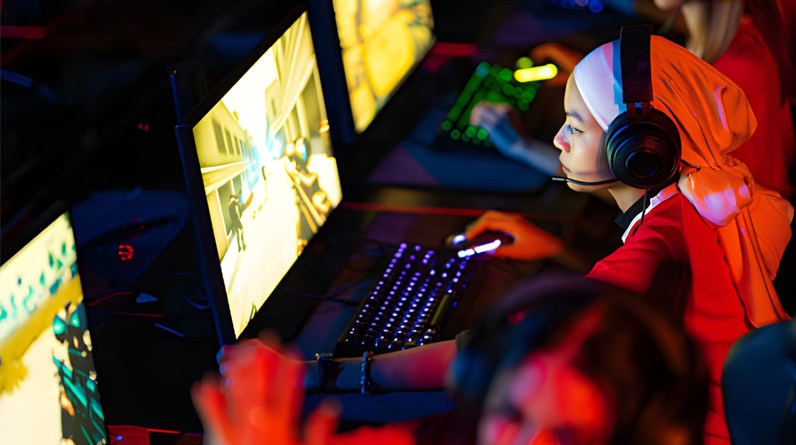
Online multiplayer gaming has transformed from a niche hobby into a global phenomenon connecting millions of players daily. Whether you’re curious about joining friends in virtual worlds or looking to explore competitive gaming, entering the multiplayer space can feel overwhelming. This comprehensive guide breaks down everything beginners need to know—from choosing your first game to mastering essential skills that separate casual players from dedicated competitors.
The beauty of modern multiplayer gaming lies in its accessibility. Unlike the complex setups of the past, today’s games welcome newcomers with intuitive tutorials, skill-based matchmaking, and communities eager to help. The key is understanding what you’re getting into and making informed choices that align with your interests, available time, and gaming goals.
Understanding Online Multiplayer Gaming
Online multiplayer games allow multiple players to interact simultaneously within a shared virtual environment. Unlike single-player experiences where you face pre-programmed challenges, multiplayer games pit you against or alongside real people who think, adapt, and strategize just like you do.
Why Multiplayer Games Dominate Modern Gaming
The appeal extends far beyond simple entertainment. Multiplayer games create unpredictable experiences that never play out exactly the same way twice. Human opponents adapt to your strategies, forcing you to evolve constantly. This dynamic creates a level of engagement that scripted single-player content simply cannot match.
Social connection drives much of multiplayer gaming’s popularity. For countless players worldwide, their closest friendships formed through shared gaming experiences. Voice chat during intense matches, celebrating victories together, and even laughing about defeats builds genuine bonds that transcend the digital realm.
Competition also fuels engagement. Humans naturally enjoy testing skills against others, whether casually or in ranked competitive modes. Multiplayer games provide immediate feedback on improvement, clear progression systems, and the satisfaction of outplaying opponents who challenge you at every turn.
Choosing Your Gaming Platform
Your first major decision involves selecting where you’ll play. Each platform offers distinct advantages and limitations that shape your multiplayer experience.
Gaming Consoles: Simplicity Meets Performance
PlayStation 5, Xbox Series X, and even previous-generation consoles like PlayStation 4 and Xbox One provide straightforward entry into multiplayer gaming. Simply connect to your television, link to your Wi-Fi network, and you’re ready to play within minutes. No technical knowledge about graphics cards or system specifications required.
Console gaming does require a monthly subscription for most online multiplayer games. PlayStation Plus and Xbox Live each cost approximately $10 monthly, though annual subscriptions offer significant savings. These services often include free games monthly and exclusive discounts, offsetting some subscription costs.
The trade-off comes in game selection. While consoles host most major multiplayer titles, certain popular games like League of Legends and Dota 2 remain exclusive to PC platforms. However, console exclusives like Halo and God of War offer experiences unavailable elsewhere.
Windows PC: Maximum Flexibility and Selection
PC gaming provides the largest library of multiplayer titles, superior graphics customization, and free online play without subscriptions. You can use any controller type—from keyboards and mice to specialized flight controllers—giving unprecedented control over your gaming experience.
The complexity increases substantially compared to consoles. Not all PCs handle modern games equally. A lightweight laptop perfect for work might manage Minecraft but struggle with demanding shooters like Call of Duty. Understanding system requirements becomes essential before purchasing games.
Building or buying a gaming PC represents a larger upfront investment than consoles, though it eliminates ongoing subscription fees. For beginners uncertain about their commitment level, consoles often provide a more sensible starting point.
Mobile Gaming: Accessibility Anywhere
Smartphones have democratized multiplayer gaming, allowing participation from virtually anywhere with cellular data. Games like Fortnite, PUBG Mobile, and Among Us deliver legitimate multiplayer experiences without dedicated gaming hardware.
Mobile gaming typically features simplified controls adapted for touchscreens and shorter session lengths suitable for on-the-go play. Free-to-play monetization dominates the mobile space, making it easy to start without financial commitment.
Related: Mobile Games Worth Trying This Year: Your Ultimate Guide to Premium Gaming on the Go
Cross-Platform Play: Breaking Down Barriers
Modern multiplayer gaming increasingly supports cross-platform functionality, allowing friends to play together regardless of their chosen devices. Games like Fortnite, Rocket League, and Call of Duty: Warzone unify player bases across PC, PlayStation, Xbox, and sometimes mobile platforms.
This evolution matters tremendously for beginners. You’re no longer limited to finding friends who own identical hardware. Cross-platform support ensures larger player populations, faster matchmaking, and greater game longevity.
Essential Equipment for Multiplayer Success
Beyond your chosen platform, specific equipment dramatically impacts your multiplayer experience and competitive potential.
Internet Connection: Your Invisible Foundation
A stable internet connection matters far more than raw speed for online gaming. Most multiplayer games function perfectly with just 3-6 Mbps download and 1 Mbps upload speeds. What truly counts is consistency and low latency.
Aim for connection latency (ping) under 50 milliseconds. High ping causes noticeable lag where your actions take longer to register, putting you at severe disadvantages in competitive games. Wired ethernet connections dramatically improve stability compared to Wi-Fi, eliminating interference and signal drops that plague wireless connections.
If your connection speed fluctuates or takes too long reaching game servers, you’ll experience constant lag making games essentially unplayable. You’ll face mysterious deaths, delayed responses, and frustrating disconnections. Fiber connections represent the gold standard, but any quality broadband service with stable speeds suffices for excellent multiplayer experiences.
Gaming Headset: Communication and Immersion
A headset with an integrated microphone proves essential for team-based multiplayer games. Clear communication with teammates without background noise interference separates coordinated teams from disorganized groups.
You can technically play without a headset, but it severely limits your effectiveness and enjoyment. Many games rely heavily on positional audio cues revealing enemy locations through sound. Quality headsets deliver this spatial audio while enabling clear voice communication.
If your microphone picks up excessive environmental noise—keyboard clicking, family conversations, television audio—teammates will quickly mute you. A decent gaming headset typically costs $40-70 and represents one of the most valuable investments for multiplayer gaming.
Additional Peripherals for Competitive Advantage
As you progress beyond casual play, specific peripherals provide measurable advantages:
- Gaming Mouse: Accurate sensors improve aiming precision in shooters and strategy games. Basic gaming mice start around $30-50.
- Mechanical Keyboard: Consistent key actuation and faster response times benefit competitive gaming. Expect $50-80 for quality options.
- High Refresh Rate Monitor: Standard 60Hz displays work fine casually, but 144Hz or 240Hz monitors display more frames per second, improving reaction time and tracking ability noticeably in competitive scenarios.
However, skill development matters exponentially more than expensive equipment. Professional players dominate using mid-range peripherals while beginners struggle regardless of hardware quality. Invest in learning fundamentals first, then upgrade equipment as your skills and commitment grow.
Popular Multiplayer Game Genres Explained
Understanding different multiplayer genres helps identify which games align with your preferences and playstyle. Each genre demands different skills and offers unique experiences.
| Genre | Key Examples | Primary Skills Required | Average Match Length |
|---|---|---|---|
| Battle Royale | Fortnite, Apex Legends, PUBG | Survival instincts, positioning, quick decision-making | 15-30 minutes |
| First-Person Shooters (FPS) | Counter-Strike, Valorant, Call of Duty | Aim precision, reflexes, map knowledge | 5-45 minutes |
| MOBA (Multiplayer Online Battle Arena) | League of Legends, Dota 2 | Strategy, teamwork, character knowledge | 30-50 minutes |
| MMORPGs | World of Warcraft, Final Fantasy XIV | Time commitment, coordination, character progression | Hours per session |
| Party Games | Among Us, Fall Guys, Jackbox | Social deduction, timing, adaptability | 5-15 minutes |
| Cooperative Shooters | Deep Rock Galactic, Left 4 Dead | Teamwork, communication, role fulfillment | 20-45 minutes |
Battle Royale: Last Player Standing
Battle royale games drop dozens or hundreds of players into large maps where they scavenge for weapons and equipment while a shrinking safe zone forces encounters. Only the last player or team standing wins.
Games like Fortnite and Apex Legends deliver adrenaline-fueled action from the moment you land. These games reward positioning awareness, quick looting, and smart engagements over pure shooting skill. The format creates natural tension as matches progress and player counts dwindle.
First-Person Shooters: Precision and Reflexes
FPS games like Counter-Strike and Valorant emphasize gunfight mastery, map knowledge, and tactical positioning. Success requires precise aim, quick reflexes, and understanding weapon mechanics deeply.
These games typically feature the steepest learning curves for mechanical skills but offer incredibly satisfying gameplay once fundamentals click. Competitive FPS titles support thriving esports scenes with professional players earning substantial incomes.
MOBAs: Strategic Depth and Teamwork
Multiplayer Online Battle Arenas like League of Legends place two teams of five players in strategic combat where destroying the enemy base represents the ultimate objective. Each player controls a unique character with distinct abilities.
MOBAs emphasize game knowledge, strategic decision-making, and teamwork over mechanical skill alone. Matches unfold like chess matches combined with real-time combat, requiring both long-term planning and split-second execution. The genre offers near-infinite strategic depth with over 150 playable characters in League of Legends alone.
MMORPGs: Persistent Worlds and Endless Adventure
Massively Multiplayer Online Role-Playing Games create persistent worlds where thousands of players coexist simultaneously. Games like World of Warcraft and Final Fantasy XIV offer extensive character progression, social systems, and cooperative endgame content.
These games demand significant time investment but reward players with deep social connections, satisfying progression systems, and endless content. MMORPGs work beautifully for players seeking long-term virtual homes rather than quick competitive matches.
Party Games: Casual Fun for Everyone
Party games like Among Us and Fall Guys require minimal gaming experience while delivering laughs and social interaction. These titles focus on fun over competition, making them perfect entry points for absolute beginners.
Simple controls, short match times, and forgiving gameplay remove barriers to entry. Losing feels amusing rather than frustrating, and success often depends equally on luck and skill.
Best Multiplayer Games for Beginners
Starting your multiplayer journey with beginner-friendly titles prevents early frustration and builds foundational skills applicable across gaming genres.
Minecraft: Creative Collaboration Without Pressure
Minecraft remains the quintessential beginner multiplayer game. This sandbox title lets players collaborate on building projects, explore together, or create custom game modes without forced competition.
The lack of competitive pressure removes anxiety while creative freedom ensures everyone contributes meaningfully regardless of gaming experience. Cross-platform support means playing with friends on any device. Minecraft teaches fundamental gaming skills—inventory management, resource gathering, spatial awareness—in a stress-free environment.
Rocket League: Simple Concept, Addictive Gameplay
Rocket League’s premise—soccer with rocket-powered cars—makes instant sense. The physics-based mechanics create a gentle learning curve where improvement feels tangible. Five-minute matches suit beginners building stamina for longer gaming sessions.
The game rewards both mechanical skill and strategic positioning while remaining accessible to newcomers. Free-to-play accessibility removes financial barriers to entry, and cross-platform play ensures active matchmaking at all skill levels.
Among Us: Social Gaming Without Mechanical Skills
Among Us provides multiplayer experiences requiring zero mechanical gaming ability. Success depends entirely on communication, deduction, and reading social cues rather than reflexes or aim.
Games accommodate 4-15 players across all platforms, making it effortless to gather friends regardless of their gaming setup. The social deduction gameplay creates memorable moments and inside jokes that strengthen friendships.
Fall Guys: Chaotic Fun Where Everyone Laughs
Fall Guys delivers obstacle course challenges testing timing and spatial awareness rather than complex controls. The colorful aesthetic and silly physics make failure entertaining instead of frustrating.
Matches involve 60 players competing through randomized mini-games until one player remains. Winning requires equal parts skill and luck, preventing any single player from dominating consistently. The game proves that losing can be fun when the experience emphasizes entertainment over competition.
Deep Rock Galactic: Cooperative Shooting Done Right
Deep Rock Galactic offers beginner-friendly cooperative shooting against alien bugs in procedurally generated caves. Four distinct classes each contribute differently, meaning poor aim doesn’t prevent meaningful participation.
Mining resources, completing objectives, and escaping together creates natural teamwork without complex strategies. The community actively welcomes new players, offering help rather than criticism for mistakes. This positive environment makes learning comfortable and enjoyable.
Finding Your First Game
Selecting your initial multiplayer game requires honest assessment of your preferences, available time, and tolerance for competition.
Watch Before You Play
YouTube and Twitch contain thousands of hours showcasing every popular multiplayer game. Watching gameplay provides authentic insight into pacing, complexity, and community culture before investing time or money.
Observe whether games feel manic and fast-paced like Fortnite or methodical and strategic like Among Us. Notice how players communicate and whether communities seem welcoming or toxic. This research prevents disappointment from choosing games misaligned with your preferences.
Start With Free-to-Play Options
Many of today’s most popular multiplayer games cost nothing to start playing. Fortnite, Apex Legends, League of Legends, and Rocket League all offer complete experiences without upfront purchases.
Free-to-play accessibility removes financial risk from experimentation. Download multiple games across different genres to discover what resonates before investing in premium titles. These games monetize through cosmetic items rather than pay-to-win mechanics, ensuring fair competition regardless of spending.
Consider Time Commitments
Different multiplayer games demand vastly different time investments. Battle royale matches last 15-30 minutes. Party games wrap up in 5-10 minutes. MOBA matches consume 30-50 minutes. MMORPGs require hours per meaningful session.
Match your game choice to available time. If you can only play 30-minute sessions, avoid games requiring hour-long commitments where leaving early penalizes teammates. Respecting your own schedule prevents frustration and maintains enjoyment.
Essential Gameplay Tips for Multiplayer Success
Technical skills matter in multiplayer gaming, but attitude, communication, and strategic thinking often determine success more than mechanical ability.
Communication: Your Secret Weapon
Effective communication transforms average players into valuable teammates. Share enemy positions, coordinate strategies, and call for assistance clearly and concisely. Avoid excessive chatter that clutters voice channels during crucial moments.
When teammates make mistakes, offer solutions instead of criticism. Negativity destroys team cohesion and rarely improves performance. Constructive feedback like “let’s group up next time” works infinitely better than “why did you go alone?”
Remember that communication is optional in many games. If voice chat causes anxiety, text communication or ping systems work perfectly fine. Many successful players avoid voice chat entirely while maintaining high skill levels through smart gameplay.
Learn From Better Players
Streaming platforms host thousands of hours of high-level gameplay from professionals and content creators. Observe how skilled players position themselves, make decisions, and communicate with teammates.
Don’t just watch for entertainment—analyze purposefully. Notice when professionals engage fights versus retreat. Study their resource management and timing. Many streamers offer educational content explicitly explaining thought processes during matches.
Apply one new concept per gaming session rather than attempting everything simultaneously. Gradual implementation of advanced techniques builds skills sustainably without overwhelming yourself.
Practice With Purpose, Not Just Volume
Simply playing more doesn’t guarantee improvement. Focused practice on specific skills each session—aim training, map learning, strategy execution—accelerates development dramatically.
Review your gameplay identifying recurring mistakes and patterns. Most games feature replay systems or you can record sessions for later analysis. Consciously correcting identified weaknesses transforms practice time into meaningful growth.
Master Multiple Roles
Team-based games with defined roles need players willing to fill gaps in team composition. Learning support, tank, or utility roles alongside damage-focused positions makes you valuable to any team.
Role flexibility also deepens game understanding by experiencing different playstyles and perspectives. Supporting teammates reveals positioning mistakes invisible when focusing solely on combat. This comprehensive knowledge makes you better at every role.
Embrace Matchmaking Systems
Nearly every modern multiplayer game uses skill-based matchmaking that pairs you with similarly skilled opponents. Don’t fear playing against better players initially—matchmaking systems quickly calibrate to your actual skill level.
Competitive matches feel challenging but fair once properly ranked. You’ll win approximately 50% of games, ensuring engaging experiences without constant domination or crushing defeats. Trust the system and focus on personal improvement rather than win/loss records during initial placement matches.
Managing the Social Side of Multiplayer Gaming
Online gaming’s social aspects create both its greatest appeal and most significant challenges. Navigating community dynamics successfully enhances enjoyment dramatically.
Playing With Friends vs. Strangers
Multiplayer gaming with real-life friends offers unmatched enjoyment. Shared experiences, inside jokes, and existing trust create comfortable environments for learning and experimentation. Gaming provides excellent ways to socialize when in-person meetups aren’t possible.
Playing with strangers introduces unpredictability. You’ll encounter helpful veterans offering advice, silent but skilled teammates, and occasionally toxic players who make matches miserable. This diversity represents part of multiplayer gaming’s appeal—you never know exactly what to expect.
Dealing With Toxic Players
Online gaming unfortunately hosts players who express frustration through harassment, excessive criticism, or intentional sabotage. Every game includes tools for managing these situations effectively.
Use mute and block features liberally. You’re never obligated to tolerate harassment regardless of its source. Most games allow muting specific players or disabling voice chat entirely while maintaining text communication.
Report genuinely toxic behavior through in-game systems. While individual reports rarely feel impactful, consistent reporting helps remove problem players from communities over time. Focus on your own attitude and performance rather than others’ negativity.
Remember that toxic players typically project their own frustrations rather than accurately assessing your skill. Their opinions lack value and deserve zero consideration when evaluating your performance or self-worth.
Building Positive Gaming Communities
Your attitude shapes community experiences more than you realize. Offering encouragement to struggling teammates, congratulating good plays, and maintaining positivity during losses creates environments where everyone enjoys playing.
Many games feature clan systems, guilds, or communities for finding like-minded players. Joining these groups connects you with people sharing similar goals and attitudes, dramatically improving social experiences.
Safety and Privacy in Online Gaming
Protecting yourself online requires awareness of potential risks and proactive prevention measures.
Personal Information Protection
Never share identifying information in usernames, profiles, or chat. Avoid real names, locations, ages, schools, or workplaces. Most privacy invasions aren’t sophisticated hacking—they’re social engineering gathering information you voluntarily provided.
If someone threatens you or claims they’ll find where you live, block them immediately and report the behavior. Tracking IP addresses or identifying real-world locations requires access and skills beyond what average players possess. Don’t let empty threats create fear or anxiety.
Account Security Best Practices
Enable two-factor authentication on gaming accounts whenever available. This extra security layer prevents unauthorized access even if someone obtains your password.
Use unique passwords for gaming accounts rather than recycling passwords across multiple services. Password managers simplify maintaining unique credentials for each platform while keeping them secure.
Managing Screen Time
Multiplayer games use compelling progression systems and social elements that encourage extended play sessions. Set reasonable time limits and honor them to maintain healthy balance with other life responsibilities.
Take regular breaks during gaming sessions—every hour, stand up, stretch, and rest your eyes for several minutes. This prevents physical strain and maintains focus during subsequent play.
Common Beginner Mistakes to Avoid
Learning from others’ mistakes accelerates your development significantly. These common pitfalls trap countless new players:
- Ignoring tutorials and training modes: Every minute spent in tutorials saves hours of confused gameplay later. Master basic mechanics before jumping into competitive matches.
- Playing too many games simultaneously: Spreading attention across multiple titles prevents deep learning in any single game. Focus on 1-2 games initially until fundamentals become second nature.
- Obsessing over winning: Early losses teach more than early wins. Focus on learning and improvement rather than win/loss ratios during initial weeks.
- Neglecting settings optimization: Proper control sensitivity, key bindings, and graphics settings dramatically impact performance. Spend time configuring settings comfortably before extensive play.
- Taking criticism personally: Strangers online lack context about your skill level or experience. Constructive feedback helps; emotional attacks deserve muting, not consideration.
- Forgetting it’s entertainment: Games exist for enjoyment. If you’re consistently frustrated or angry, step back and reassess whether that particular game or competitive mode suits your temperament.
Understanding Competitive Gaming and Esports
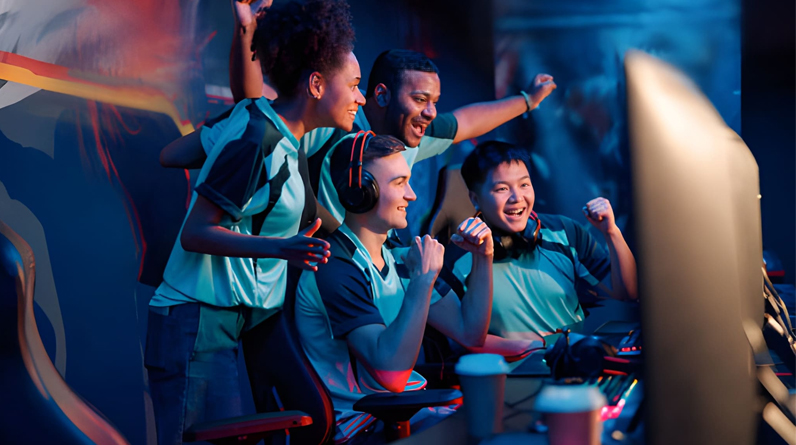
Competitive gaming has evolved into legitimate career paths for skilled players. While becoming professional remains exceptionally difficult, understanding the competitive landscape enriches your appreciation of multiplayer gaming.
Ranked Systems and Competitive Modes
Most multiplayer games feature ranked competitive modes separate from casual play. These modes use stricter matchmaking, enforce competitive rulesets, and assign visible skill ratings (ranks) representing your abilities.
Climbing ranked ladders provides clear progression goals and measurable improvement. However, ranked play introduces additional pressure and occasionally toxic behavior from players taking competition extremely seriously.
Don’t rush into ranked modes immediately. Develop solid fundamentals in casual modes first, understanding game mechanics and strategies before competitive evaluation begins.
The Esports Ecosystem
Professional esports tournaments offer multi-million dollar prize pools for games like Dota 2, League of Legends, and Counter-Strike. Top players earn substantial incomes through tournament winnings, team salaries, and content creation.
Watching professional play provides entertainment while teaching advanced strategies and techniques. Major esports events rival traditional sports in viewership, with some tournaments drawing millions of concurrent viewers globally.
The Future of Multiplayer Gaming
Multiplayer gaming continues evolving rapidly with emerging technologies expanding possibilities:
- Cloud Gaming: Services like Xbox Cloud Gaming and GeForce Now stream games from remote servers, eliminating hardware requirements for playing demanding titles.
- Virtual Reality: VR multiplayer experiences create unprecedented immersion, though hardware costs currently limit mainstream adoption.
- Cross-Progression: Increasing games preserve progress across multiple platforms, letting you switch between devices seamlessly.
- AI Integration: Improved artificial intelligence creates better training environments and more engaging computer-controlled teammates when human players aren’t available.
These advancements will further democratize multiplayer gaming, reducing barriers to entry and expanding accessibility worldwide.
Conclusion: Your Multiplayer Journey Starts Now
Beginning your online multiplayer gaming journey requires no special talents or extensive experience—just curiosity and willingness to learn. Start with beginner-friendly titles matching your interests, invest in basic equipment ensuring smooth performance, and approach early matches with patience and open-mindedness.
Remember that everyone started exactly where you are now. Professional players with thousands of hours experience once fumbled through their first matches, struggled with basic mechanics, and felt overwhelmed by game complexity. The difference between beginners and experts is simply time, practice, and persistence.
Choose games that genuinely interest you rather than just popular titles. Prioritize enjoyment over competitive success initially. Build skills gradually while forming connections with fellow players who share your enthusiasm. Most importantly, remember that gaming exists for entertainment—the moment it stops being fun, reassess your approach or try different games.
The multiplayer gaming community awaits with countless experiences, challenges, and friendships ready to discover. Your first match represents the beginning of a potentially lifelong hobby connecting you with millions worldwide. Jump in, embrace the learning process, and enjoy every moment of your multiplayer gaming adventure.