


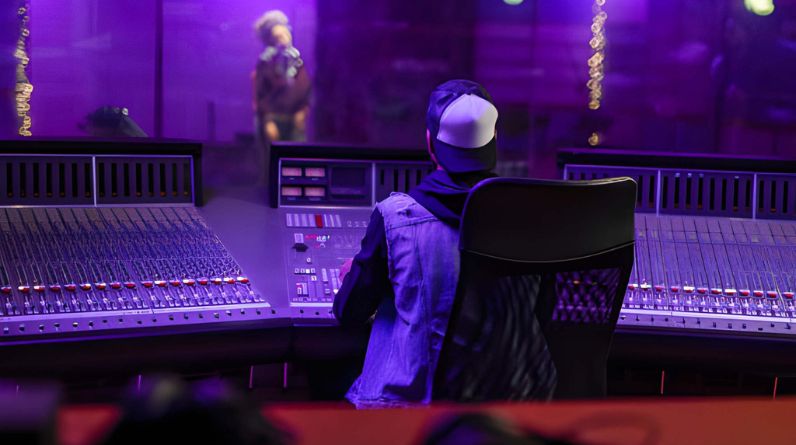
The music industry has experienced its most dramatic transformation in decades, and streaming sits at the heart of this revolution. What began as a response to rampant piracy has evolved into a $25.8 billion global phenomenon that fundamentally altered how we discover, consume, and pay for music.
In 2014, a watershed moment occurred: streaming revenue surpassed CD sales for the first time. This wasn’t just a shift in format—it represented a complete reimagining of music’s relationship with its audience. Today, over 70% of music fans prefer streaming, and the numbers tell a compelling story of an industry reborn from the ashes of its digital crisis.
This revolution touched every corner of the music ecosystem. Artists rethought their creative strategies, record labels restructured their business models, and listeners gained unprecedented access to the world’s musical heritage—all from devices that fit in their pockets.
The Rise From Digital Chaos to Streaming Dominance
The early 2000s nearly destroyed the music industry. Napster and similar file-sharing platforms decimated traditional revenue streams, leaving labels scrambling and artists struggling. Physical sales plummeted, and digital downloads couldn’t fill the gap fast enough.
Then streaming arrived with a different proposition: unlimited music for a reasonable monthly fee. Spotify launched in 2008, followed by competitors like Apple Music, Amazon Music, and YouTube Music. These platforms didn’t just offer convenience—they offered legitimacy, quality, and discovery tools that piracy networks never could.
The impact was staggering. Between 2018 and 2023, streaming revenues exploded from $11.7 billion to $25.8 billion—a 120% increase in just five years. The United States alone accounts for 40% of global streaming revenue, with China, the United Kingdom, and Germany following as major markets.
What Made Streaming Irresistible
Three factors drove streaming’s dominance. First, accessibility: millions of songs became available instantly without downloads or storage concerns. Second, affordability: for the price of a single album, listeners gained access to entire catalogs. Third, discovery: algorithms and curated playlists introduced fans to music they never knew existed.
Research shows that 73% of users appreciate the seamless experience across devices—whether at home, commuting, or exercising. Another 72% cite the vast music library and effortless access as primary reasons for their subscription. Streaming transformed music from a product you owned into a utility you accessed.
How Artists Navigate the New Landscape
For artists, streaming brought both liberation and frustration. Independent musicians suddenly had global distribution without needing major label backing. A bedroom producer in Manila could reach listeners in Manhattan without intermediaries. The traditional gatekeepers—radio DJs, record store buyers, and label executives—lost their monopoly on musical success.
Yet the economics proved challenging. The average per-stream payout hovers below one cent, meaning artists need millions of streams to generate substantial income. A song with 100,000 plays might earn just $300-$500, depending on the platform and the artist’s contract structure.
The Million-Stream Challenge
Consider the math: to earn the equivalent of minimum wage in the United States for a month’s work, an artist needs roughly 300,000 to 500,000 streams. For established acts with large catalogs, this model works. Their backlist generates consistent revenue across millions of tracks. For emerging artists building their audience, streaming income alone rarely suffices.
This reality pushed musicians toward creative solutions. Many now view streaming as a promotional tool rather than a primary revenue source. The real money comes from concerts, merchandise, licensing deals, and direct fan support through platforms like Patreon and Bandcamp.
The Playlist Economy
Getting featured on major playlists became the new version of radio airplay. A placement on Spotify’s “Today’s Top Hits” or Apple Music’s “New Music Daily” can deliver millions of streams overnight. Some artists credit entire careers to a single playlist inclusion.
This created its own pressures. Musicians began crafting “playlist-friendly” singles—catchy, immediately engaging tracks designed to capture attention in the first few seconds. The traditional album format lost prominence as listeners gravitated toward individual songs and curated collections.
The Algorithm Effect: Discovery and Democracy
Streaming platforms fundamentally changed music discovery through algorithmic personalization. Spotify’s “Discover Weekly” and Apple Music’s “For You” playlists analyze listening habits, favorite genres, skip patterns, and even the time of day to recommend new music.
These algorithms democratized discovery in ways previous systems never could. A listener who enjoyed obscure 1970s Afrobeat could now find contemporary artists working in similar styles—artists they’d never encounter through traditional radio or music magazines.
The Data Reveals Shifting Tastes
Since 2018, streaming data shows a notable trend: listeners increasingly explore music outside mainstream hits. The old “popularity bias” that dominated traditional charts has weakened. Lesser-known artists and niche genres now find dedicated audiences that would have been impossible to reach in the pre-streaming era.
This shift proved particularly valuable for independent artists. Without marketing budgets for radio promotion or retail placement, indie musicians relied on algorithms to connect with potential fans. A well-placed algorithmic recommendation could launch a career.
The Double-Edged Sword of Personalization
However, algorithmic curation comes with concerns. Critics argue it creates echo chambers where listeners only hear music similar to their existing preferences. The homogenization of taste becomes a risk when everyone receives personalized recommendations based on narrow listening patterns.
Additionally, these algorithms aren’t neutral. Studies reveal biases that favor certain artists and genres, potentially reinforcing existing industry inequalities. Transparency in how these recommendation systems work remains an ongoing challenge for streaming platforms.
Revenue Models: Who Wins and Who Struggles
Streaming created complex revenue dynamics that differ dramatically from traditional music sales. Understanding these models reveals both the promise and the problems of the current system.
| Revenue Source | Pre-Streaming Era | Streaming Era |
|---|---|---|
| Primary Income | Album/Single Sales | Per-Stream Payments |
| Distribution Control | Record Labels | Streaming Platforms |
| Artist Autonomy | Low (Label Dependent) | High (DIY Options) |
| Fan Access | Purchase Required | Subscription Model |
| Discovery Method | Radio/Retail/Word of Mouth | Algorithms/Playlists |
The Subscription Economy
Streaming platforms operate primarily on two models: premium subscriptions (ad-free with enhanced features) and ad-supported free tiers. Premium subscribers pay roughly $10 monthly, while free users generate revenue through advertising. This dual approach maximizes both reach and income.
For platforms, this model proved lucrative. For artists, the situation is more nuanced. Royalty payments are split between the streaming service, record labels (if applicable), publishers, and the artists themselves. After all parties take their share, individual artists often receive a small fraction of the total revenue their music generates.
New Revenue Streams Emerge
Smart artists adapted by diversifying income sources. Virtual concerts gained popularity, especially during global lockdowns, allowing musicians to perform for worldwide audiences from their homes. Merchandise sales integrated directly into streaming platforms, creating new purchasing opportunities.
Some platforms introduced exclusive content and early releases for superfans willing to pay premium prices. Others experimented with tipping features and direct artist support options. These innovations supplemented streaming income, helping musicians build sustainable careers.
Technology Driving the Experience Forward
The streaming revolution wasn’t just about access—it was about technology creating entirely new ways to experience music. Several innovations transformed the listening experience from passive consumption to immersive engagement.
5G and the End of Buffering
The rollout of 5G networks marked a critical advancement for streaming quality. With speeds up to 100 times faster than 4G, buffering became obsolete. High-fidelity audio formats, once too bandwidth-intensive for mobile listening, now stream seamlessly.
By 2023, 121 operators had adopted 5G Standalone architecture globally, with 280 networks launched. Projections suggest 5.9 billion 5G subscriptions by 2027, up from 1.9 billion in 2023. This infrastructure enables not just better audio quality but also high-definition concert streaming and virtual reality music experiences.
Smart Devices Create Ambient Access
Smart speakers revolutionized how people interact with streaming services. In the United States, 35% of households own smart speakers, with 90% of the 71 million smart speaker users streaming music regularly. Some listeners engage for over six hours weekly.
These devices, integrated with Amazon Echo, Google Home, and Apple HomePod, became central hubs for home entertainment. Voice commands replaced manual searching: “Play something I’d like” or “Play upbeat music for cooking” triggered AI-powered recommendations based on context, mood, and listening history.
Audio Quality Evolution
The journey from compressed MP3s to lossless audio represents another technological leap. Early streaming prioritized convenience over quality, using heavy compression to reduce bandwidth requirements. As internet speeds improved, platforms introduced high-fidelity options.
Spatial audio and 3D sound technologies like Dolby Atmos Music and Sony 360 Reality Audio now create immersive listening experiences. Unlike traditional stereo, which confines sound to left and right channels, spatial audio places individual instruments and vocals around the listener in three-dimensional space. The effect mimics sitting in a concert hall with music flowing from all directions.
Related: The Evolution of Pop Music: What Has Changed?
How Listener Behavior Transformed
Streaming didn’t just change how music was delivered—it fundamentally altered consumption patterns and listener expectations. These behavioral shifts forced the entire industry to adapt its creative and marketing strategies.
The Playlist Culture
Listeners abandoned the album format in favor of playlists. Rather than purchasing and playing full albums, users created custom collections mixing tracks from multiple artists, eras, and genres. User-generated and algorithmically-curated playlists became the dominant listening mode.
This shift pressured artists to release singles more frequently rather than waiting to complete full albums. Maintaining momentum in the fast-paced streaming environment meant constant visibility. Songs dropped every few months to stay relevant in playlists and algorithmic recommendations.
Shorter Songs, Shorter Attention Spans
The sheer volume of available music created shorter attention spans. Listeners frequently skip tracks after just a few seconds, constantly seeking the next engaging sound. This behavior influenced songwriting itself.
Artists began crafting shorter songs—often under three minutes—to maximize streaming numbers through repeat plays. The incentive structure of per-stream payments encouraged multiple listens over extended compositions. Intros became more immediate, hooks arrived faster, and song structures compressed to maintain attention.
On-Demand Expectations
Streaming created an on-demand culture where any song plays instantly at any time. This convenience reset expectations for music access. Waiting for a radio DJ to play your favorite track or driving to a store to purchase an album became relics of a bygone era.
This immediacy extended beyond music consumption to creation and distribution. Artists could record, upload, and distribute new music globally within hours. The gap between creation and consumption collapsed, enabling real-time responses to cultural moments and trends.
Record Labels Adapt or Decline
Streaming disrupted record labels’ traditional role as gatekeepers and distributors. When artists could upload music directly to streaming platforms through services like DistroKid and TuneCore, the label’s distribution monopoly evaporated.
Independent artists found success without major label backing, particularly those serving niche audiences. DIY musicians kept larger shares of their earnings while maintaining creative control. This shift forced labels to demonstrate value beyond mere distribution.
The New Label Value Proposition
Major labels adapted by emphasizing services that independent artists struggle to provide themselves: marketing campaigns, playlist promotion, tour support, and high-budget productions. They also increasingly offered “360 deals”—agreements covering multiple revenue streams beyond just recording rights.
Despite reduced control over distribution, labels remain influential through their relationships with streaming platforms, media outlets, and promotional networks. Getting a track onto major editorial playlists often requires label connections and lobbying power that independent artists lack.
The Social Integration Revolution
Streaming platforms evolved beyond passive listening services into social networks. Features like shared playlists, collaborative listening sessions, and friend activity feeds transformed music consumption into a communal experience.
Artists leveraged these social features to build deeper connections with fans. Real-time interaction, instant feedback on new releases, and community formation around musical tastes created loyalty beyond the music itself. Fans became active participants in artists’ careers rather than distant consumers.
TikTok Changes the Game
The integration of streaming with social media reached new heights through TikTok. Songs went viral through short video clips, driving millions of streams on traditional platforms. Hits emerged from unexpected places—decades-old tracks found new audiences, and unknown artists achieved overnight success.
This phenomenon influenced songwriting strategies. Musicians crafted hooks specifically designed for TikTok virality, creating memorable moments that users would incorporate into videos. The “TikTok sound” became a recognized format optimized for social sharing and algorithmic amplification.
Data Analytics: The New Currency
Streaming platforms generate unprecedented data about listener behavior. Every play, skip, replay, and playlist addition provides insights into audience preferences. This information became invaluable for artists, labels, and the platforms themselves.
Artists as Data Analysts
Musicians now access detailed analytics showing which songs perform best, where fans are located geographically, listener demographics, and peak engagement times. This data informs touring decisions, marketing strategies, and even creative choices.
For example, if data reveals strong listener concentration in specific cities, artists book venues there. If certain songs show high replay rates, they might create similar material or extend those musical concepts. The immediate feedback loop enables responsive, data-driven career planning impossible in previous eras.
Predictive Analytics and Trend Forecasting
Streaming data enables predictive analytics that forecast emerging trends. By analyzing listening patterns across millions of users, platforms identify rising genres, sounds, and artists before they reach mainstream awareness. This foresight helps both platforms and labels position themselves advantageously.
Artists and producers studying these trends can create music aligned with upcoming movements, potentially riding waves as they crest. However, this capability raises questions about authenticity versus strategic positioning in music creation.
Challenges and Controversies
Despite streaming’s transformative benefits, significant problems persist. Artist compensation remains the most contentious issue, with musicians arguing that per-stream payments fail to reflect the value their work generates.
The Compensation Crisis
Low per-stream rates mean that except for the most popular artists, streaming income alone cannot sustain a music career. Emerging and mid-tier musicians find themselves working multiple jobs while their music reaches global audiences. The disconnect between reach and compensation creates frustration and financial hardship.
Pressure mounts on streaming platforms to increase payout rates, but platforms argue their margins remain thin despite massive revenue. The debate centers on how to distribute industry wealth more equitably while maintaining business viability.
Market Saturation and Competition
The democratization of music distribution created intense competition. Approximately 100,000 new tracks upload to streaming platforms daily. Standing out in this saturated market requires not just talent but also marketing savvy, social media presence, and often some luck.
This oversupply benefits listeners with endless choices but challenges artists competing for limited attention. Even excellent music can disappear unnoticed in the constant flood of new releases.
Algorithm Bias and Fairness
Research reveals that recommendation algorithms aren’t neutral arbiters of musical quality. They exhibit biases favoring certain artists, genres, and sonic characteristics. These biases can reinforce existing inequalities, making it harder for artists outside algorithmic preferences to gain traction.
Calls for transparency in how these systems operate grow louder, but platforms guard their algorithmic secrets as competitive advantages. Balancing personalization with fairness remains an unsolved challenge.
The Global Reach Phenomenon
Perhaps streaming’s most profound impact is its erasure of geographical boundaries. An artist in Lagos reaches listeners in Tokyo as easily as those in London. Regional music scenes that once remained local now find international audiences.
This globalization created cross-cultural musical exchanges at unprecedented scales. Korean pop influences Latin American producers. African rhythms inspire European DJs. American hip-hop integrates sounds from around the world. Streaming accelerated musical hybridization and cultural dialogue.
Emerging Markets Find Voice
Countries with developing music industries gained platforms to showcase their artists internationally. Latin American reggaeton exploded globally through streaming. Afrobeats from West Africa found massive audiences. K-pop achieved worldwide dominance. These genres succeeded partly because streaming eliminated traditional distribution barriers.
Looking Ahead: The Future of Music Streaming

The streaming revolution continues evolving with emerging technologies and changing consumer expectations. Several trends point toward the next phase of this transformation.
AI-Generated and Augmented Music
Artificial intelligence increasingly influences both music creation and curation. AI tools assist in composition, production, and even vocal performance. Some platforms experiment with AI-generated music tailored to individual listener preferences, mood, and context.
This technology raises questions about authorship, creativity, and the value of human artistry. Will AI democratize music creation further, or will it devalue human musicians? The debate is just beginning.
Virtual and Augmented Reality Experiences
Virtual reality promises immersive concert experiences accessible from anywhere. Imagine attending a live performance in a virtual venue with thousands of other fans, interacting with the artist, and exploring the space—all from your living room. Technology companies invest heavily in making this vision reality.
Augmented reality could overlay musical experiences onto physical environments, creating new forms of site-specific audio art. These technologies might fundamentally change what we consider a “music experience.”
Blockchain and Fair Compensation
Blockchain technology offers potential solutions to streaming’s compensation problems. By creating transparent, immutable records of music plays and automated royalty payments through smart contracts, blockchain could ensure artists receive fair payment without lengthy delays or intermediary deductions.
Several blockchain-based music platforms launched experimentally, though mainstream adoption remains uncertain. If successful, this technology could address one of streaming’s most persistent criticisms.
Sustainability Considerations
As awareness of digital services’ environmental impact grows, streaming platforms face pressure to reduce their carbon footprint. Data centers consume enormous energy, and millions of simultaneous streams require significant computational resources.
Platforms are exploring renewable energy sources, more efficient data management, and features encouraging offline downloads to reduce streaming demand. Sustainability might become a competitive differentiator as environmentally conscious consumers evaluate their digital services.
The Verdict: Revolution With Unfinished Business
Streaming unquestionably revolutionized the music industry. It rescued the business from piracy-induced collapse, created unprecedented access to musical diversity, democratized distribution, and generated innovative ways for artists and fans to connect.
The numbers confirm streaming’s dominance: 120% revenue growth in five years, billions in annual income, and a global infrastructure reaching every corner of the planet. Music became a utility rather than a product—always available, constantly refreshing, infinitely diverse.
Yet the revolution remains incomplete. Compensation models that leave many artists struggling despite massive industry profits need reform. Algorithm biases require transparency and correction. The environmental impact of endless streaming demands solutions. Market oversaturation challenges artists fighting for attention.
The next chapter of this revolution will determine whether streaming becomes truly sustainable for all participants—listeners, artists, platforms, and the planet. The technology transformed how we access music. Now the industry must ensure that transformation benefits everyone contributing to the musical ecosystem.
What’s certain is that streaming fundamentally and permanently altered music’s relationship with society. We’ve moved from music as something precious and limited to music as ambient, omnipresent, and personalized. That shift represents one of the most significant cultural changes of the digital age—a revolution that continues unfolding in real-time.