



Walk into any beauty store, and you’ll face an overwhelming wall of serums, toners, essences, and creams promising transformation. Ten-step routines flood social media feeds, while influencers showcase bathroom shelves stocked like pharmacy aisles. But here’s the truth that gets lost in the noise: your skin doesn’t need complexity. It needs consistency, protection, and products that match its unique biology.
Understanding what your skin actually requires starts with recognizing that skincare isn’t about trends or luxury packaging. It’s about supporting your body’s largest organ in performing its critical functions—protection from environmental damage, temperature regulation, and maintaining the barrier that keeps you healthy.
Why Your Skin’s Basic Needs Matter More Than You Think
Before diving into products and routines, consider what your skin does every single day. It shields you from UV radiation, pollution, bacteria, and physical trauma. It regulates your body temperature through sweat and blood flow. It synthesizes vitamin D when exposed to sunlight and continuously renews itself, shedding roughly 30,000 to 40,000 dead skin cells every minute.
This constant biological activity demands specific support. When you strip away marketing hype, effective skincare comes down to three fundamental actions: cleansing away what doesn’t belong, maintaining hydration to support the skin barrier, and protecting against preventable damage—particularly from the sun, which accounts for up to 80% of visible facial aging.
Decoding Your Skin Type: The Foundation of Smart Skincare
Generic advice fails because skin varies dramatically from person to person. What works brilliantly for your friend might trigger breakouts or irritation for you. Identifying your skin type isn’t about fitting into a rigid category—it’s about understanding your skin’s tendencies so you can make informed choices.
The Five Primary Skin Types
| Skin Type | Key Characteristics | Primary Needs |
|---|---|---|
| Normal | Balanced oil production, small pores, few blemishes | Maintenance and protection |
| Oily | Visible shine, enlarged pores, prone to breakouts | Oil control without over-drying |
| Dry | Tight feeling, flaking, rough texture | Intense hydration and barrier repair |
| Combination | Oily T-zone, dry or normal cheeks | Balanced approach targeting different zones |
| Sensitive | Easily irritated, redness, stinging reactions | Gentle, minimal ingredients, soothing care |
How to Accurately Identify Your Type
Perform this simple test: wash your face with a gentle cleanser, pat dry, and wait one hour without applying any products. Examine your skin in natural light:
- Shine across your entire face suggests oily skin
- Tightness and visible flaking indicate dry skin
- Shine only on your forehead, nose, and chin points to combination skin
- Comfortable feel with no excess oil or dryness means normal skin
- Redness, itching, or burning sensations reveal sensitive skin
Remember that skin type isn’t permanent. Hormones, climate, stress, and age all influence how your skin behaves. A person with oily skin in their twenties might develop dryness in their forties. Stay observant and adjust accordingly.
The Three Non-Negotiable Steps Every Skin Type Needs
Regardless of whether your bathroom counter holds three products or thirty, these foundational steps form the bedrock of healthy skin. Master these before adding anything else.
Step 1: Cleanse—But Don’t Strip
Your skin accumulates more than just visible dirt. Throughout the day, it collects sebum (your skin’s natural oil), dead skin cells, environmental pollutants, and bacteria from everything you touch. Even if you skip makeup entirely, cleansing remains essential.
The mistake most people make? Over-cleansing or using harsh products that leave skin feeling “squeaky clean.” That tight, stripped feeling isn’t cleanliness—it’s damage to your skin’s protective barrier.
Best practices for cleansing:
- Cleanse twice daily—morning and night
- Use lukewarm water, never hot (which damages the skin barrier)
- Limit face washing to five minutes maximum
- Choose mild, pH-balanced cleansers over harsh soaps
- Pat skin dry gently rather than rubbing vigorously
For those wearing makeup or sunscreen, consider double cleansing at night: an oil-based cleanser first to dissolve makeup and SPF, followed by a water-based cleanser to remove remaining impurities.
Step 2: Moisturize—Even Oily Skin
Here’s a common misconception: “My skin is oily, so I don’t need moisturizer.” Wrong. Oily skin produces excess sebum, but that doesn’t mean it’s properly hydrated. In fact, skipping moisturizer can trigger your skin to produce even more oil to compensate for dehydration.
Moisturizers serve two critical functions. They deliver hydration through humectants like hyaluronic acid and glycerin, which attract water to the skin. They also create a protective seal with occlusives like ceramides and fatty acids, preventing water loss throughout the day.
Choosing the right moisturizer texture:
- Oily skin: Lightweight gel or water-based formulas
- Dry skin: Rich creams with occlusives and emollients
- Combination skin: Medium-weight lotions, or different products for different zones
- Sensitive skin: Fragrance-free formulas with minimal ingredients
Apply moisturizer to slightly damp skin immediately after cleansing. This traps water in your skin, maximizing hydration benefits.
Step 3: Protect—The Most Important Step You’re Probably Skipping
If you take away one thing from this article, let it be this: daily sunscreen is the single most effective anti-aging, skin-protecting action you can take. UV radiation causes up to 80% of visible facial aging, including wrinkles, sunspots, loss of elasticity, and uneven texture. It’s also the leading preventable cause of skin cancer.
The sun damages your skin even on cloudy days, even through windows, and even if you have darker skin with natural melanin protection. UV rays penetrate clouds and glass, and they’re strongest between 10 a.m. and 4 p.m.
Sunscreen essentials:
- Use broad-spectrum protection (blocks both UVA and UVB rays)
- Choose SPF 30 minimum—SPF 50 for extended outdoor exposure
- Apply a generous amount (roughly a nickel-sized dollop for face and neck)
- Reapply every two hours when outdoors, or after swimming or sweating
- Don’t rely on makeup with SPF as your only protection—it’s rarely enough
Consider this: a 2019 study found that regular daily sunscreen use slowed skin aging by 24% compared to occasional use. That’s measurable, visible anti-aging from one simple habit.
Morning vs. Evening: Why Timing Matters
Your skin has different needs depending on the time of day. Morning routines focus on protection against environmental stressors you’ll encounter. Evening routines emphasize repair and renewal while your skin undergoes its natural regeneration process during sleep.
Morning Routine: Protect and Defend
- Gentle cleanse to remove overnight oil production
- Antioxidant serum (optional but beneficial—vitamin C fights free radical damage from UV and pollution)
- Moisturizer appropriate for your skin type
- Sunscreen (or moisturizer with SPF 30+)
This takes less than five minutes but sets your skin up for success throughout the day.
Evening Routine: Repair and Renew
- Thorough cleanse to remove makeup, sunscreen, and daily buildup
- Treatment products (optional—this is when to use retinoids, chemical exfoliants, or targeted serums)
- Eye cream (if desired—the delicate eye area benefits from specialized care)
- Night moisturizer (often richer than daytime formulas since there’s no sunscreen layered on top)
Note that certain ingredients like retinoids, glycolic acid, and lactic acid increase sun sensitivity. That’s why they’re reserved for nighttime use, giving your skin overnight to benefit without UV exposure.
Beyond the Basics: When to Add Extra Steps
Once you’ve mastered the fundamental three-step routine and maintained it consistently for at least three months, you might consider additions that target specific concerns. The key word here is “consider”—more products don’t automatically mean better results.
Exfoliation: The Change-Maker
Unlike cleansing which maintains your skin, exfoliation creates actual change by removing the buildup of dead skin cells that can make skin look dull and clog pores. This reveals fresher skin underneath and allows other products to penetrate more effectively.
Two types exist:
Physical exfoliants use small particles to manually scrub away dead cells. Think sugar scrubs or brushes. These can be effective but risk causing micro-tears if particles are too rough or if you scrub too aggressively.
Chemical exfoliants use acids to dissolve the bonds between dead skin cells. Alpha hydroxy acids (AHAs) like glycolic and lactic acid work on the skin’s surface, ideal for dry or sun-damaged skin. Beta hydroxy acids (BHAs) like salicylic acid penetrate pores, making them excellent for oily or acne-prone skin.
Start with exfoliating 1-2 times weekly. More isn’t better—over-exfoliation damages your skin barrier, leading to sensitivity, redness, and increased breakouts.
Serums: Targeted Solutions
Serums deliver concentrated active ingredients in lightweight formulas that penetrate deeply. They’re optional but powerful when addressing specific concerns:
- Vitamin C: Brightens skin, fades dark spots, provides antioxidant protection (use morning)
- Hyaluronic acid: Holds up to 1,000 times its weight in water for intense hydration (any time)
- Niacinamide: Reduces inflammation, minimizes pores, regulates oil (any time)
- Retinol/retinoids: Stimulates cell turnover, reduces wrinkles, treats acne (nighttime only)
Apply serums after cleansing but before moisturizer, allowing 30-60 seconds for absorption between layers.
What Your Skin Needs Beyond Products
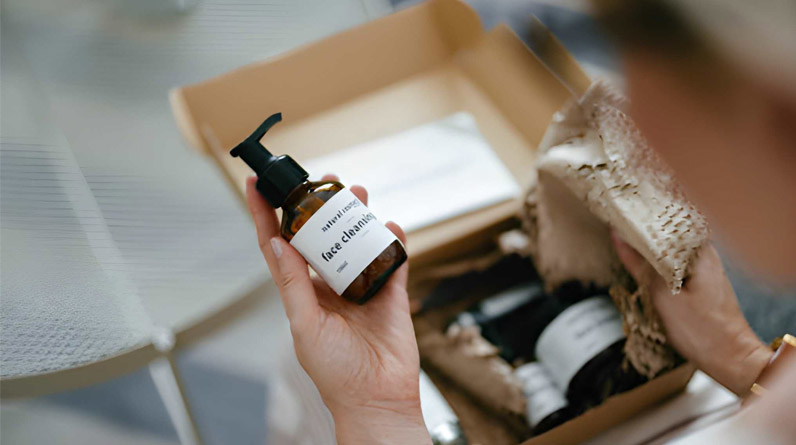
Even the most expensive skincare routine fails without lifestyle support. Your skin reflects your overall health, and these factors influence its appearance as much as any cream.
Hydration from Within
Topical moisturizers work on your skin’s surface, but true hydration starts internally. Your skin cells need water to function properly, maintain plumpness, and facilitate the healing process. While the “eight glasses a day” rule is oversimplified, monitoring your urine color provides better guidance—pale yellow indicates proper hydration.
Sleep: Your Skin’s Repair Window
During deep sleep, your body increases blood flow to skin, rebuilds collagen, and repairs UV damage. Research shows that poor sleep quality correlates with increased signs of aging and reduced skin barrier function. Aim for 7-9 hours nightly, and notice how your skin looks after a weekend of catch-up sleep versus a week of late nights.
Diet: You Really Are What You Eat
While no single food causes acne or cures aging, dietary patterns matter. Diets high in refined carbohydrates and sugar may accelerate aging and worsen acne. Conversely, foods rich in antioxidants—berries, leafy greens, nuts—help protect against free radical damage that ages skin.
Fresh fruits and vegetables appear particularly protective against premature aging. Omega-3 fatty acids from fish, flaxseeds, and walnuts support skin barrier function and may help manage inflammatory skin conditions.
Stress Management: The Invisible Factor
Chronic stress elevates cortisol, which increases oil production, triggers inflammation, and impairs skin barrier function. This explains why breakouts often coincide with stressful periods. Managing stress through exercise, meditation, adequate sleep, and social connection isn’t just good for your mental health—it’s essential skincare.
What to Avoid
Some habits actively work against skin health:
- Smoking: Narrows blood vessels in skin’s outer layers, depleting oxygen and nutrients while damaging collagen and elastin
- Excessive alcohol: Dehydrates skin and dilates blood vessels, potentially worsening rosacea
- Hot showers: Strip natural oils and compromise skin barrier—stick to warm water
- Touching your face: Transfers bacteria and oils from hands, contributing to breakouts
Common Mistakes That Undermine Your Efforts
Even with good intentions, certain missteps sabotage results. Avoid these pitfalls:
Expecting Overnight Transformation
Skin cells take approximately 28 days to complete their life cycle and reach the surface. Visible changes require consistent product use for at least 6-12 weeks. The exception is irritation—if a product causes burning, excessive redness, or a rash, stop immediately.
To track progress objectively, take unfiltered photos in natural light when starting new products. Compare after three months using the same lighting and angle.
Using Too Many Products Too Quickly
Introducing multiple new products simultaneously makes it impossible to identify what’s working or causing problems. Add one new product at a time, waiting 2-3 weeks before introducing another. This allows your skin to adjust and makes troubleshooting straightforward.
Ignoring Your Skin’s Signals
Your skin communicates constantly. Increased oiliness might mean you’re over-cleansing and your skin is compensating. Persistent dryness could indicate your moisturizer isn’t rich enough or you’re using too many drying active ingredients. Sudden breakouts after starting a new product suggest incompatibility.
Pay attention and adjust. Skincare isn’t about finding the “perfect” routine and sticking to it forever—it’s about adapting to your skin’s changing needs across seasons, hormonal fluctuations, and life stages.
Skipping Sunscreen on “Low UV” Days
Up to 80% of UV rays penetrate clouds. UVA rays, which cause aging, maintain consistent intensity year-round and pass through windows. Unless you’re in a windowless room all day, you need sunscreen. Daily, non-negotiable protection is the difference between skin that ages gracefully and skin that shows premature damage.
Building Your Personalized Routine: A Practical Framework
Here’s how to create a sustainable routine based on everything we’ve covered:
Step 1: Start Minimal (Weeks 1-4)
Begin with only the basics:
- Gentle cleanser (morning and night)
- Moisturizer suitable for your skin type
- Broad-spectrum SPF 30+ (morning only)
This establishes consistency and allows you to understand how your skin behaves with minimal intervention.
Step 2: Add One Treatment Product (Weeks 5-16)
After a month of the basics, introduce one targeted treatment based on your primary concern:
- Vitamin C serum for brightening and antioxidant protection
- Gentle chemical exfoliant (AHA or BHA) for texture and clarity
- Retinol for anti-aging or acne
Use it consistently for 12 weeks before evaluating results.
Step 3: Fine-Tune as Needed (Ongoing)
Only after you’ve given your basic routine and first treatment adequate time should you consider additions. Remember: more steps don’t equal better skin. Focus on consistency with effective basics rather than complexity.
Related: Simple Beauty Habits That Improve Your Look Over Time
The Bottom Line: What Your Skin Really Needs
Strip away the marketing, the influencer endorsements, and the 47-step routines. Your skin needs protection from preventable damage, proper cleansing without stripping, adequate hydration, and time to do its job.
The most expensive serums can’t compensate for skipping sunscreen. The trendiest new ingredient won’t work if you’re inconsistent. And no amount of products can substitute for sleep, hydration, stress management, and a balanced diet.
Start simple. Be consistent. Give products time to work. Listen to your skin and adjust when needed. Protect yourself from the sun religiously. These unglamorous fundamentals outperform elaborate routines every single time.
Your skin doesn’t need perfection. It needs you to understand its basic biology, respect its protective barrier, and support its natural functions with thoughtful, consistent care. Master these basics, and you’ll have healthier skin than 90% of people with bathroom counters full of half-used products they don’t understand.
The path to truly healthy skin isn’t complicated—it just requires commitment to the essentials that actually matter.